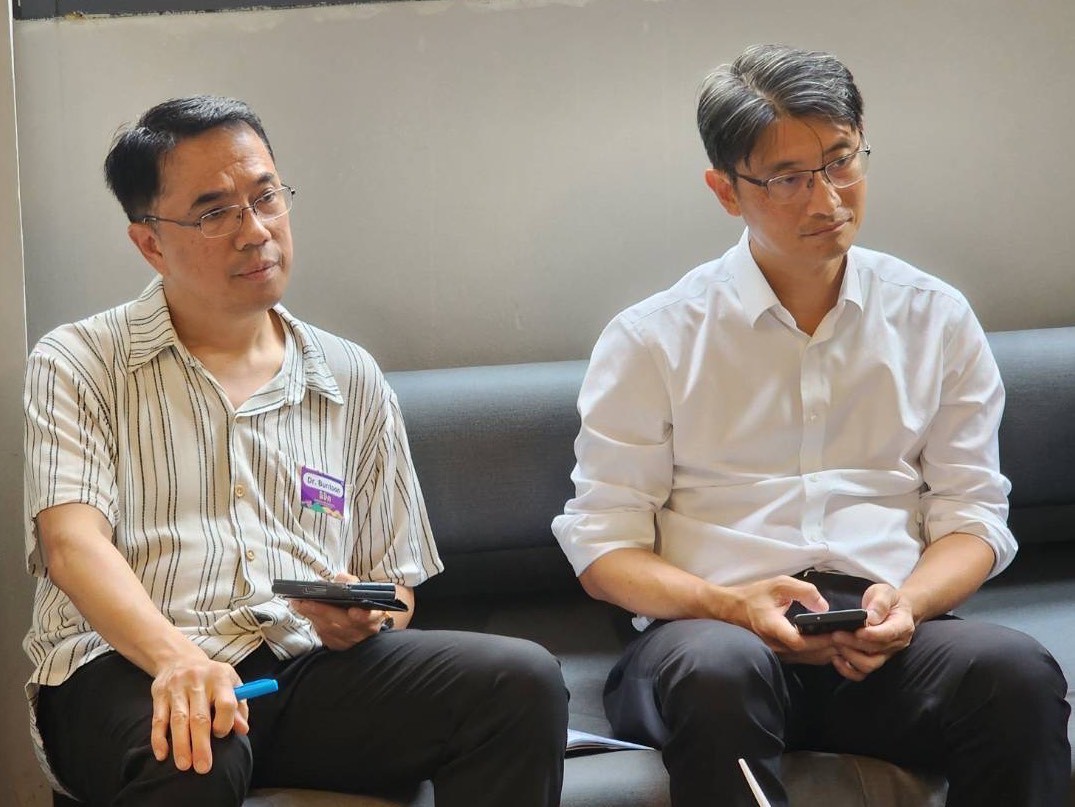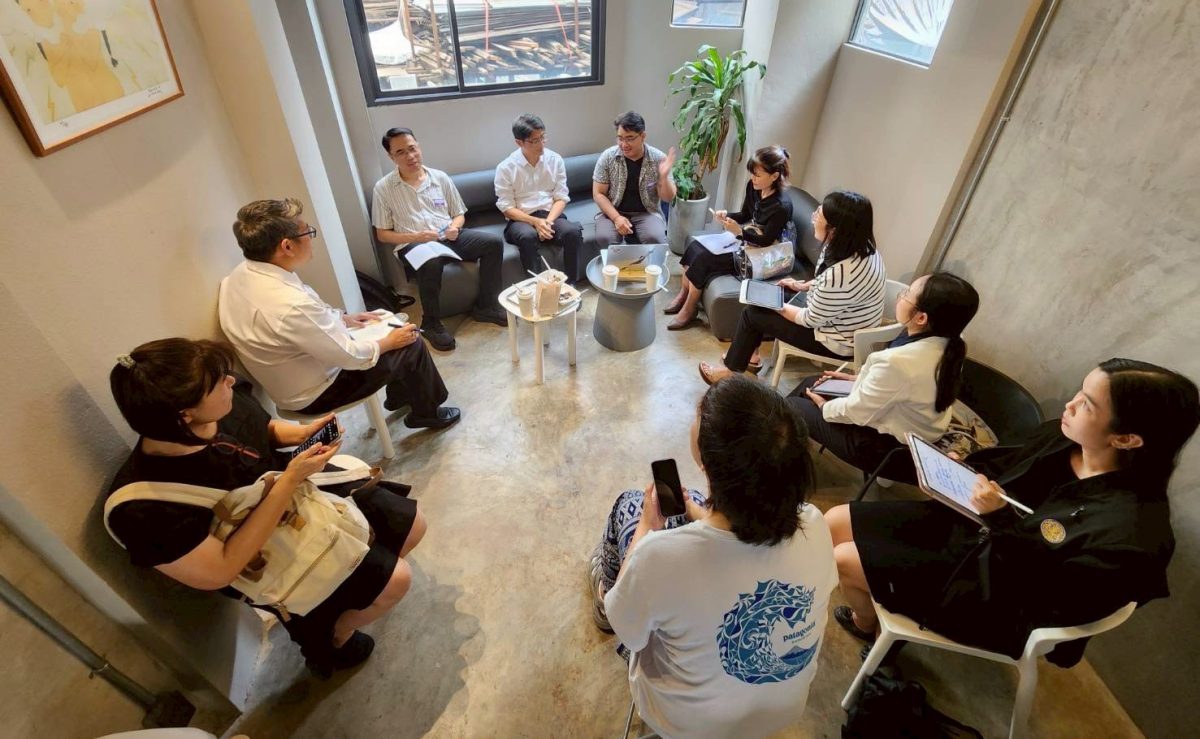
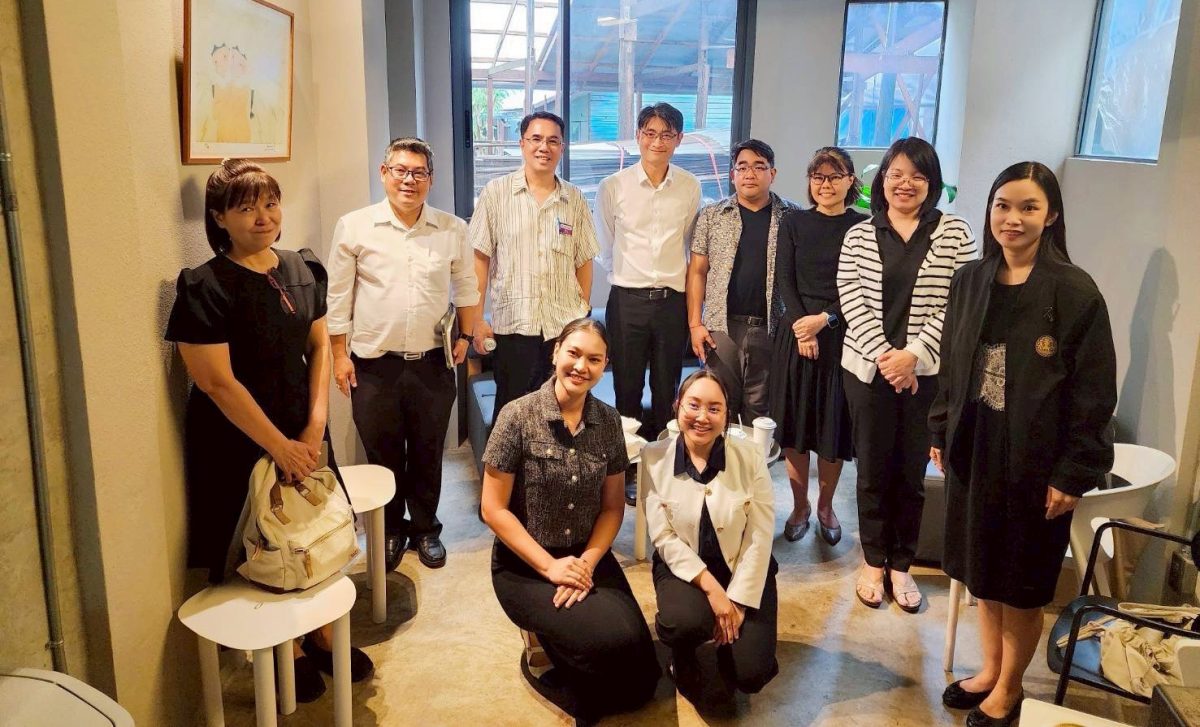
Thursday, May 7, 2026 — Mr. Buntoon Srethasirote, Chair of the Subcommittee on Promoting Open Government and Public Participation, together with the OPDC team, held a consultation meeting with Mr. Pinsak Suraswadi, Director-General of the Department of Marine and Coastal Resources (DMCR), and Dr. Peechanit Ketsuwan, Director of the 30×30 Coalition Thailand, to jointly design the National Action Plan (NAP) under the framework of Open Government Partnership (OGP) membership at the Bangkok Climate Action Week 2026.
The meeting aimed to jointly design and develop collaborative mechanisms for co-creation among public agencies, the private sector, civil society, and local networks to produce deliverable results applicable at both area and policy levels.
Key Discussion Points:
1️⃣ The NAP under the Climate and Environment Policy Area concerning participatory management of marine environmental resources focuses on two key issues: 1) marine waste management, and 2) promotion of Locally Managed Marine Areas (LMMAs) and Marine Spatial Planning (MSP), employing an area-based approach to ensure that implementation aligns with the specific context and challenges of each area.
2️⃣ Marine waste management should be promoted particularly for fishing nets and waste from fishing activities through area-level cooperation mechanisms that enable communities, local government organizations, public agencies, the private sector, and civil society organizations to participate in the design and systematic implementation. This includes developing a marine waste database, designating waste collection points, promoting waste sorting and resource recovery, as well as establishing monitoring and evaluation mechanisms involving all stakeholders.
3️⃣ The promotion of LMMAs should encourage community participation in all stages, from problem identification, resource data compilation, use guidelines determination, action plan development, to joint monitoring and evaluation. Implementation should be linked with the concept of Marine Spatial Planning (MSP) to balance conservation, fisheries, tourism, and protection of local community rights. Priority areas, such as Phang Nga Bay, which connects Phang Nga, Phuket, and Krabi provinces, have been selected as pilot implementation areas.
👉🏻 Next Step: OPDC will hold a consultation meeting with the Department of Marine and Coastal Resources as the lead agency, the 30×30 Coalition Thailand Network, and relevant civil society organizations on May 14, 2026, to further clarify the NAP development approach, including activities, implementation timeline, roles of each sector, and appropriate participation mechanisms.