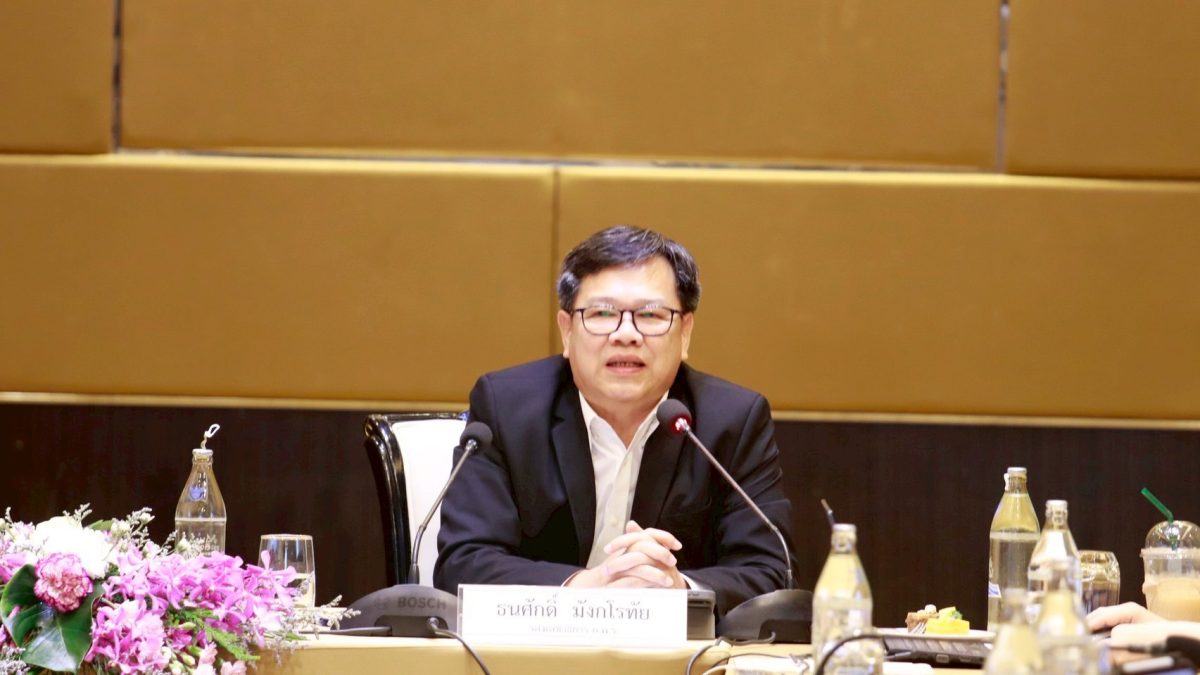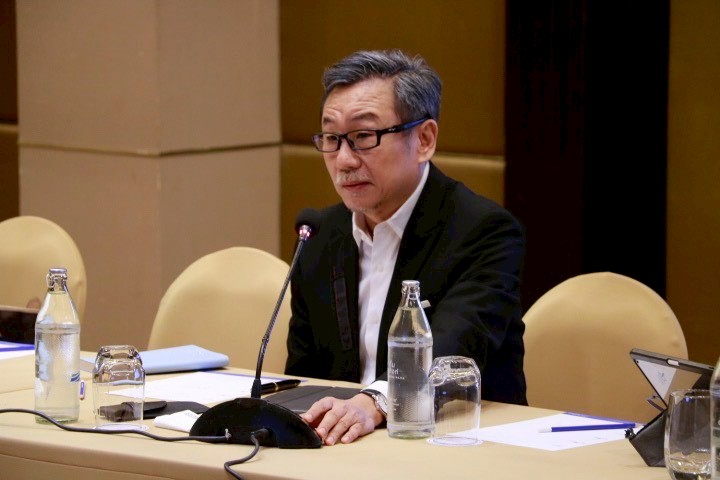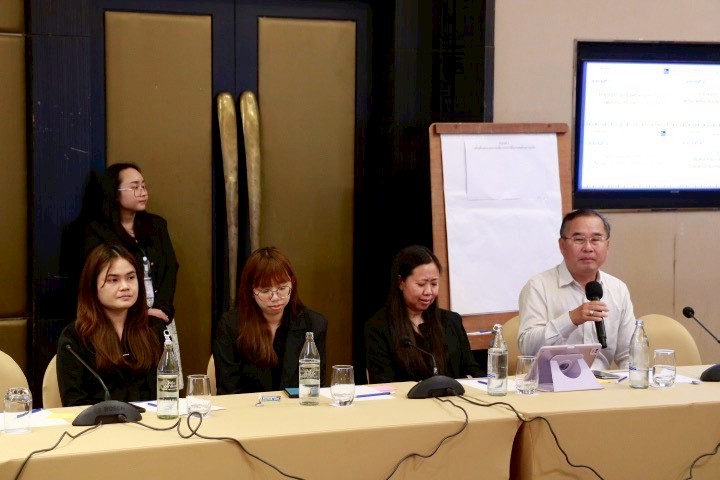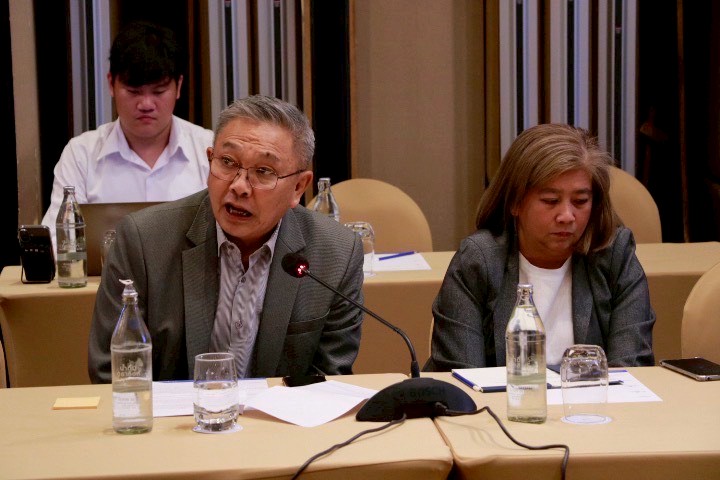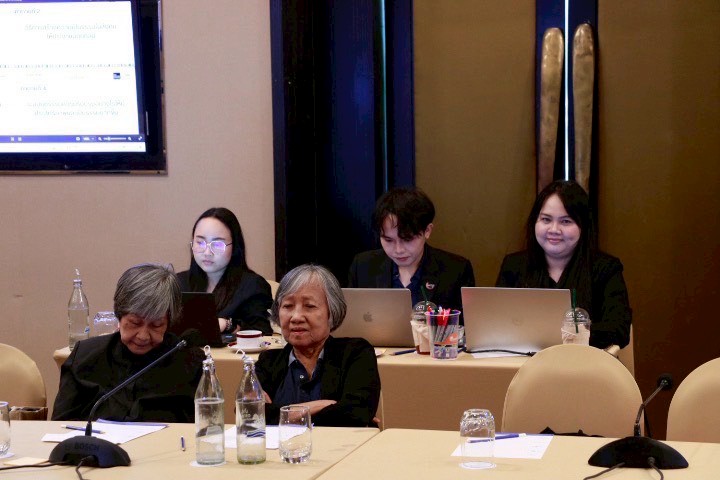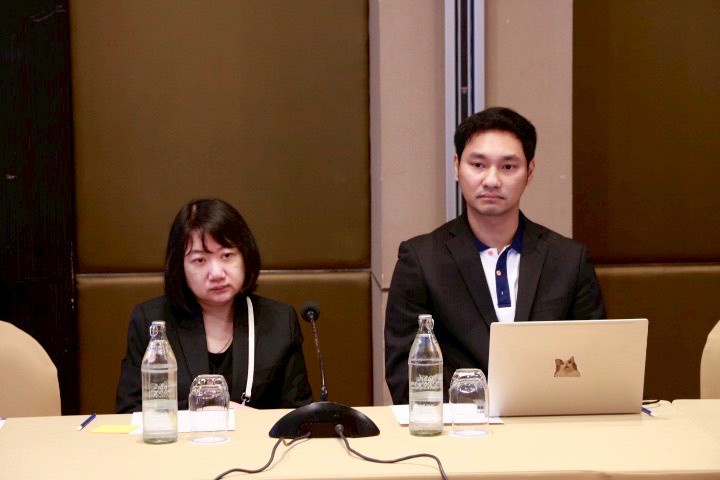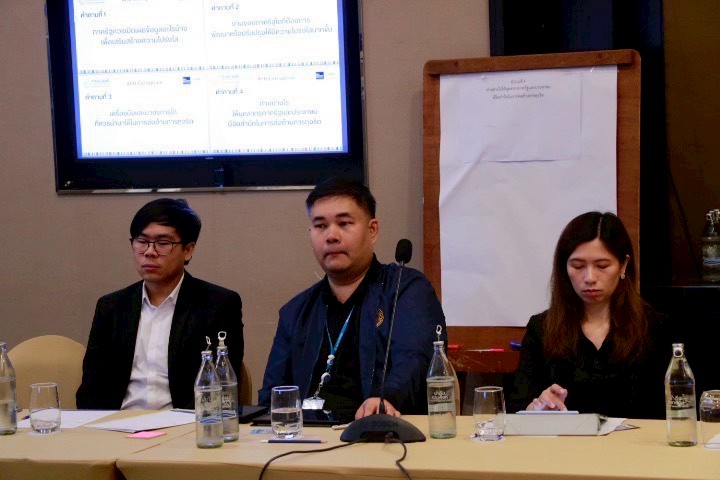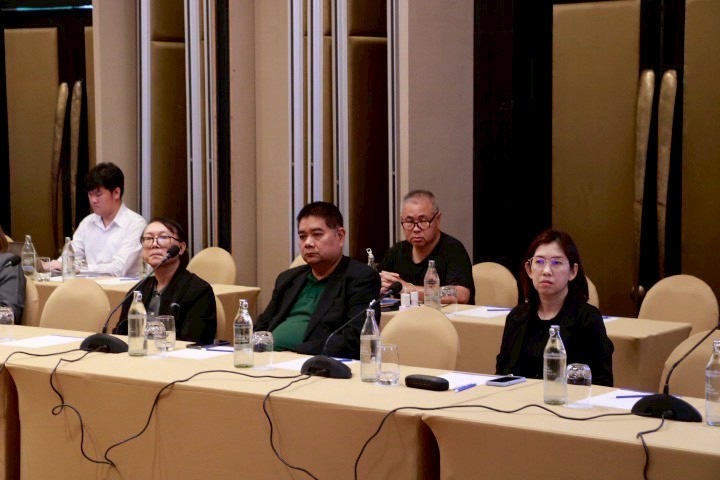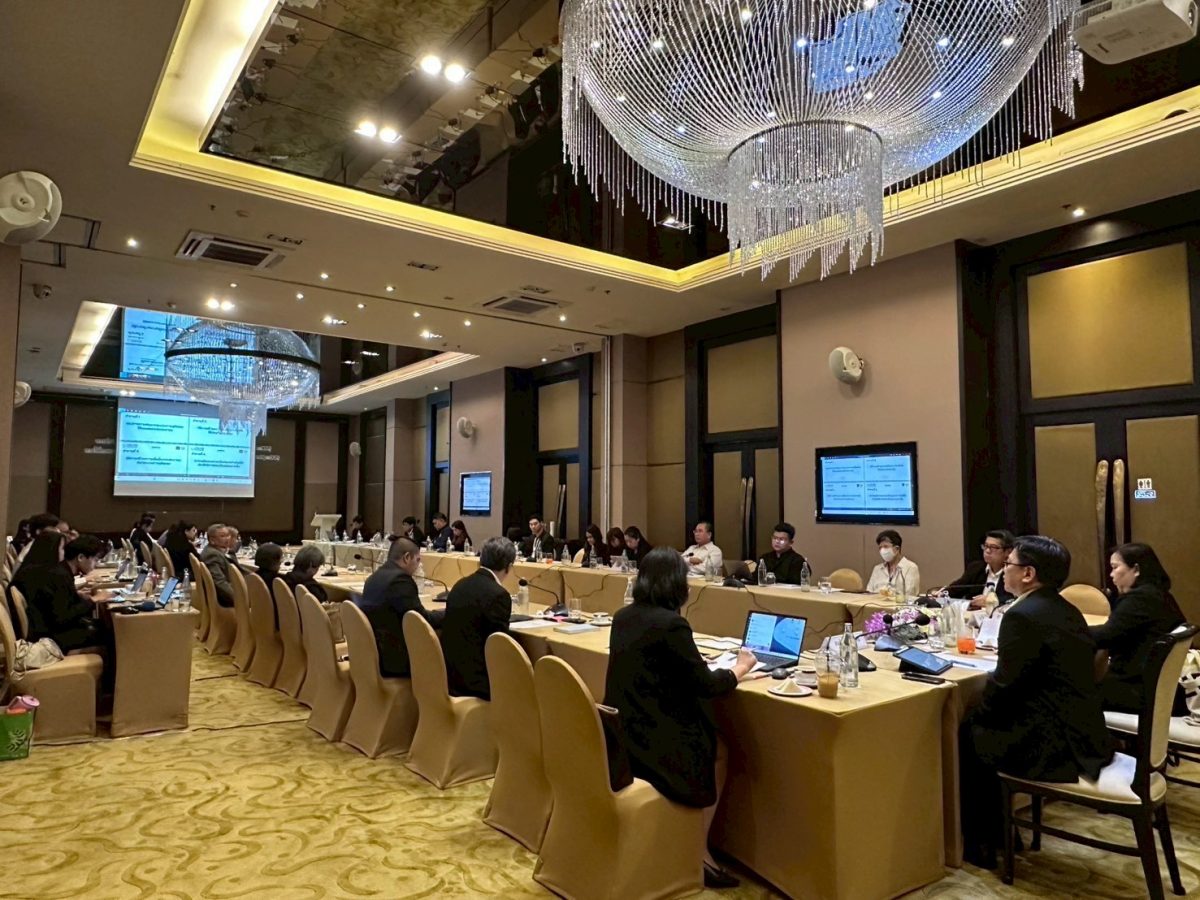
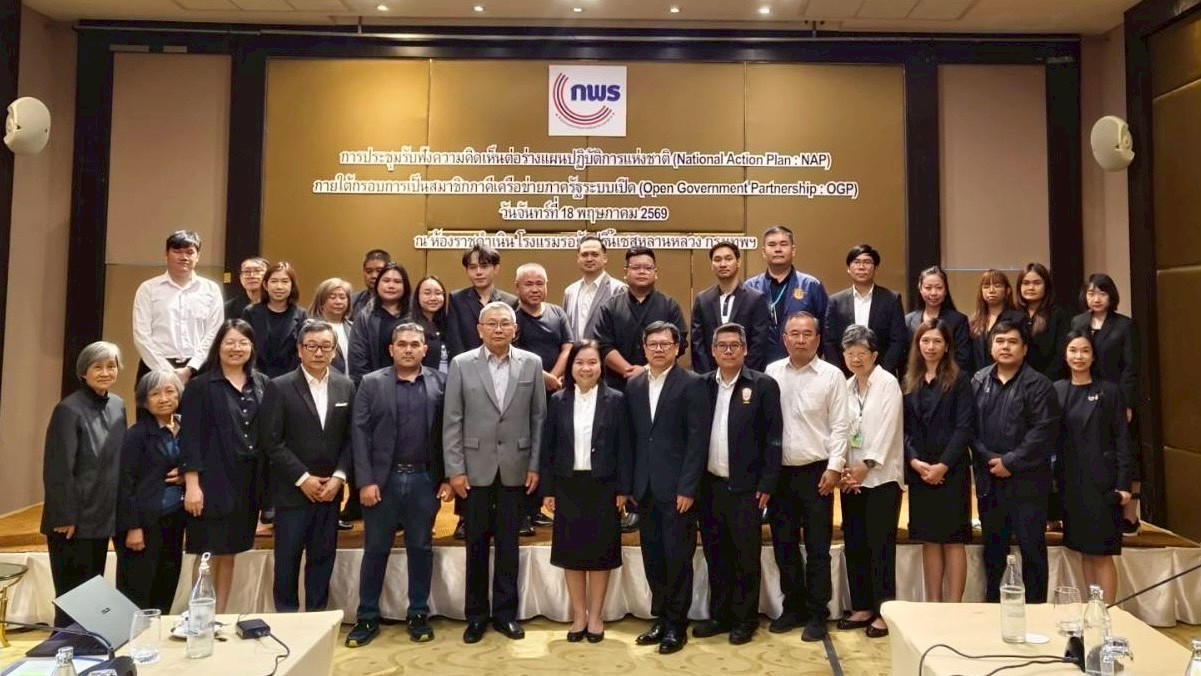
May 18, 2026, at 09:00 — Mrs. Areepan Charoensuk, Senior Advisor to the Office of the Public Sector Development Commission (OPDC), and Mr. Thanasak Mangkarothai, Deputy Secretary-General of OPDC, together with OPDC staff, convened a consultation meeting with representatives from public agencies, the private sector, civil society, and communities. Participating organizations included the State Audit Office, the Office of the National Anti-Corruption Commission, the Budget Bureau, the Digital Government Development Agency (Public Organization), the National Science and Technology Development Agency, the Thai Institute of Justice (Public Organization), the Comptroller General’s Department, the Anti-Corruption Organization of Thailand, Hand Social Enterprise Co., Ltd., the Architect Council of Thailand, and the Thai Contractors Association Under H.M. The King’s Patronage. The meeting was held to jointly design the National Action Plan (NAP) on Anti-Corruption and Justice policy areas at the Royal Princess Hotel, Bangkok.
Key Discussion Points:
💡Anti-Corruption Policy Area
1️⃣ Anti-corruption efforts should emphasize genuine disclosure of public information for citizen verification, particularly budget data, procurement, subsidies, public projects, complaints, and data on public officials and entrepreneurs. Information should be linked across agencies in comprehensible, accessible, and analyzable formats, such as Open Data and Machine-Readable Data.
2️⃣ Urgent areas for enhanced transparency include procurement, construction projects, IT systems, contract amendments, disaster relief funds, central budget, subsidies, asset management, and budget allocation to local governments. Public and civil society organizations should participate in oversight from upstream to downstream processes.
3️⃣ Essential instruments include e-Participation Platforms, e-GP, e-Audit, Prevention Audit, Data Analytics, AI, Dashboard, and Real-Time project monitoring systems. Additional measures include reducing official discretion, documenting decision rationales, and implementing Whistleblower Protection and Anti-SLAPP provisions (protection against frivolous lawsuits intended to silence critics).
4️⃣ Integrity consciousness should be cultivated from childhood. Systems should be designed so that “the honest live comfortably and the dishonest find it difficult.” Anti-corruption audit results should be publicized so the public can understand and experience transparency as a matter close to their daily lives.
💡Justice Policy Area
1️⃣ Justice system development should be citizen-centric, reducing procedural steps, costs, and barriers to ensure grassroots communities and disadvantaged populations can access justice easily without fear or distance from the system.
2️⃣ Digital technologies, electronic systems, automated processes, and Real-Time case status tracking should be implemented to enhance transparency, reduce delays, minimize costs, and limit official discretion.
3️⃣ Equitable Law Enforcement: Law enforcement should be impartial and non-discriminatory. Outdated laws creating corruption opportunities should be reviewed, and penalties should be proportionate to the severity of offenses, with equal protection for ordinary citizens and the powerful.
4️⃣ Public confidence in the justice system requires genuine citizen participation, legitimate oversight of officials and authorities, and accessible complaint and litigation mechanisms against the state without fear of retaliation or negative consequences.
5️⃣ The justice system should be elevated under the Rule of Law Index framework, emphasizing state power limitation, government transparency, corruption-free operations, fundamental rights, law enforcement, and adaptation of international best practices to the Thai context.
📌 Next Steps: Relevant agencies on Anti-Corruption and Justice issues, including the State Audit Office, the Office of the National Anti-Corruption Commission, the Digital Government Development Agency (Public Organization), the Thai Institute of Justice (Public Organization), and the Comptroller General’s Department, will incorporate meeting insights into the development of the National Action Plan on Anti-Corruption and Justice policy areas.
🔗 For more information, visit Facebook Fanpage: opengovthailand or www.opdc.go.th/ogp
#OGP #OpenGovernmentPartnership #OpenGovThailand