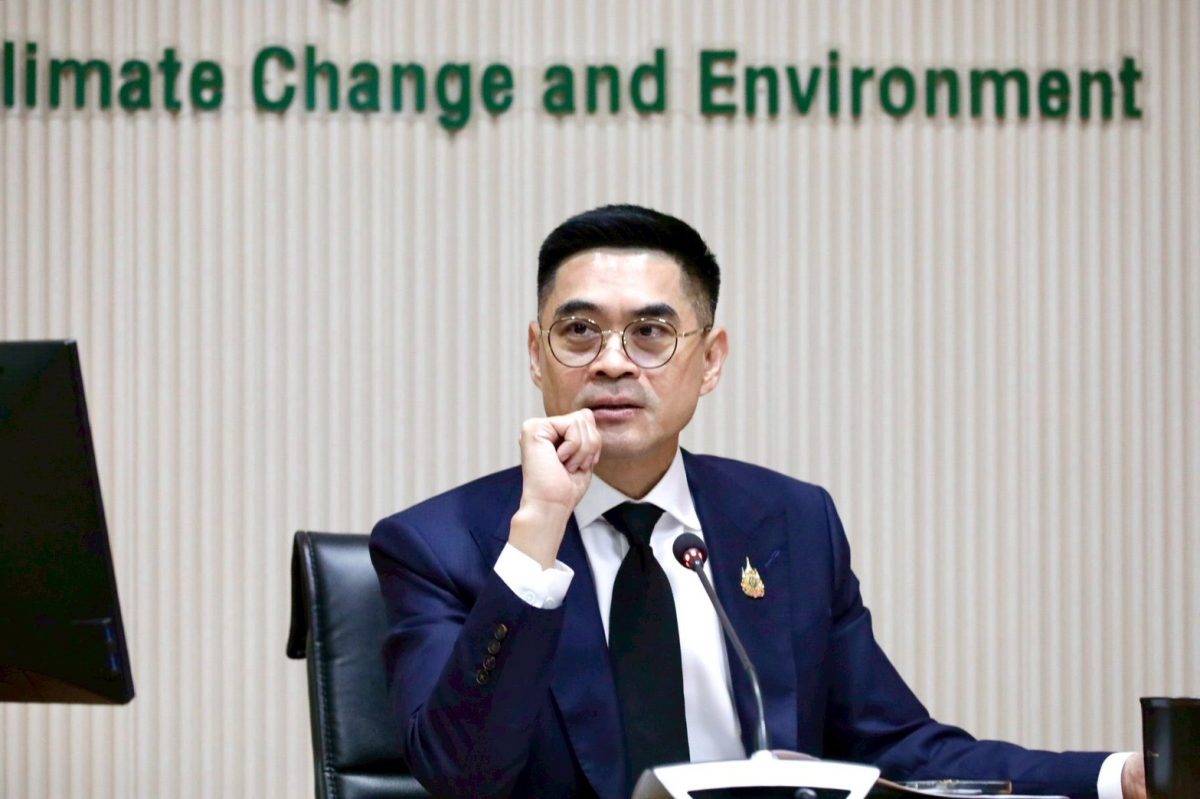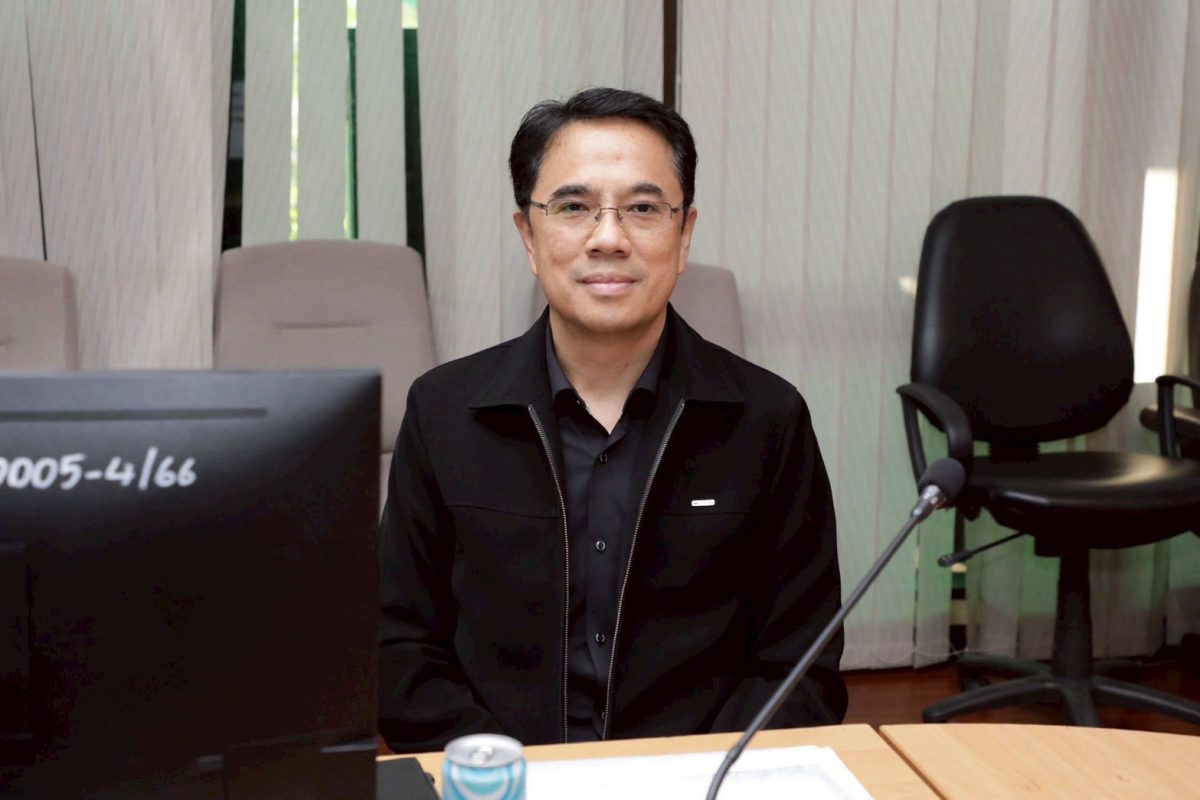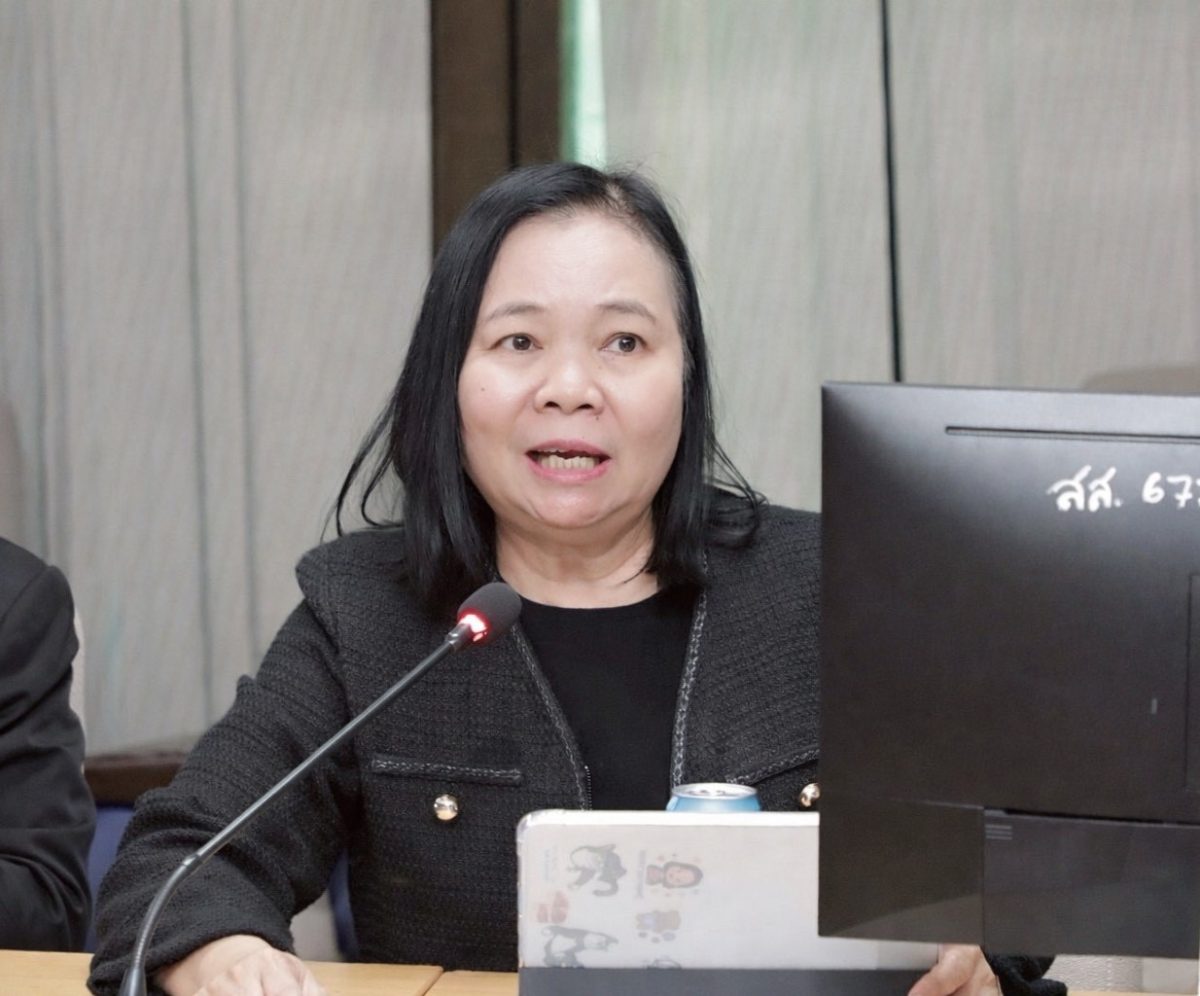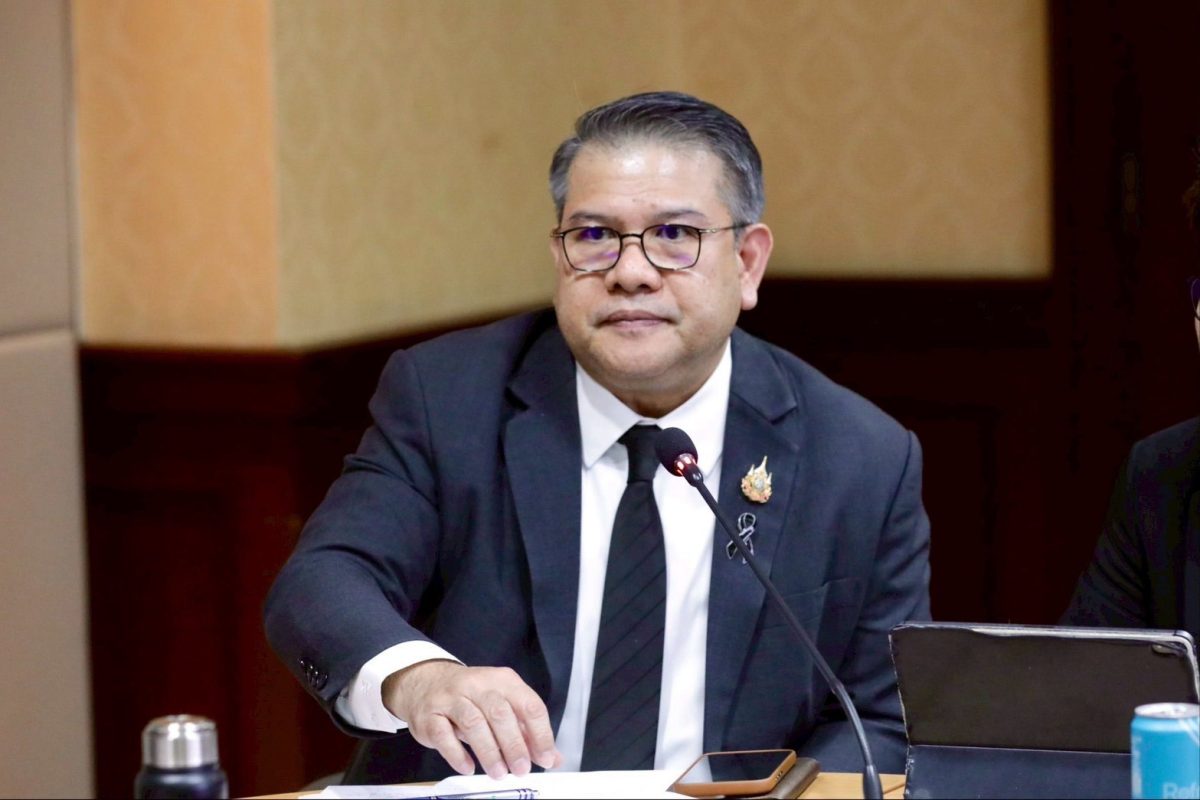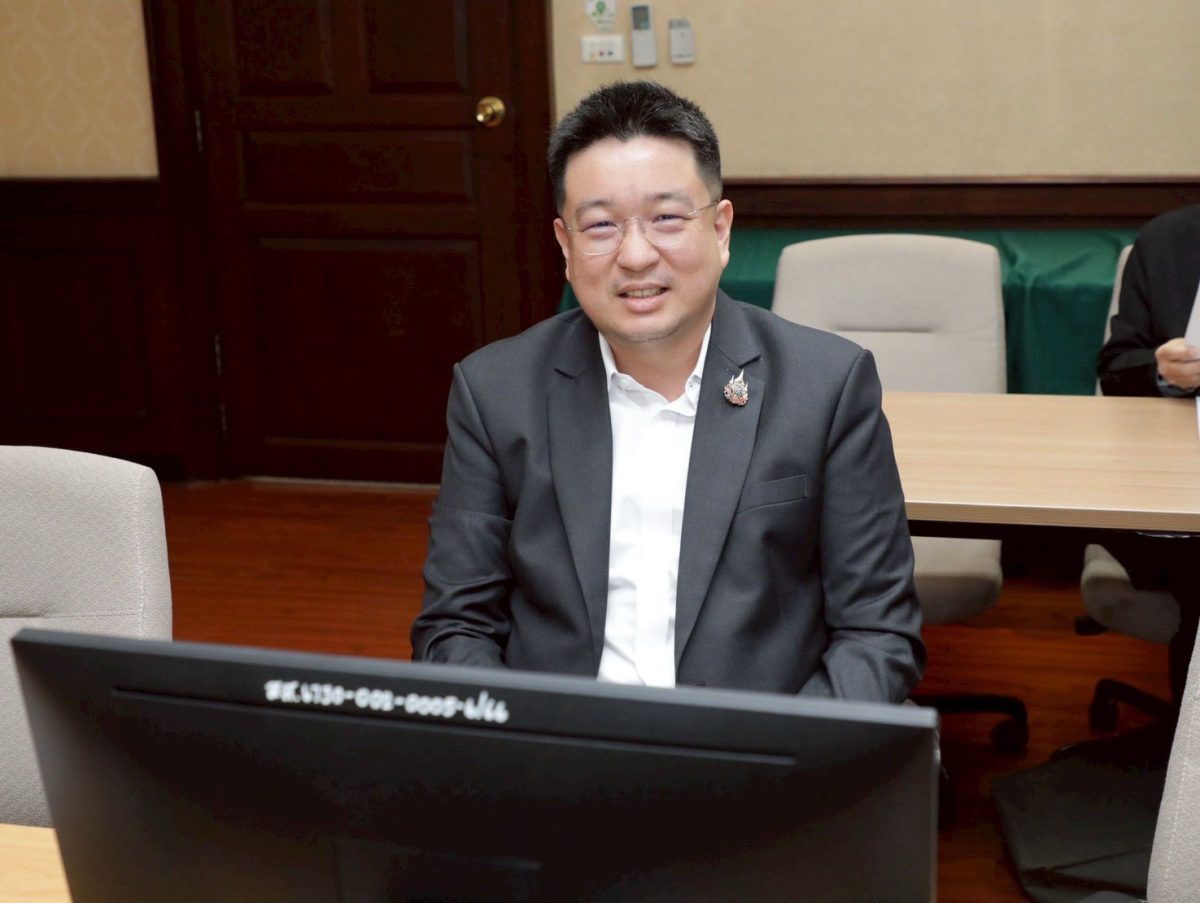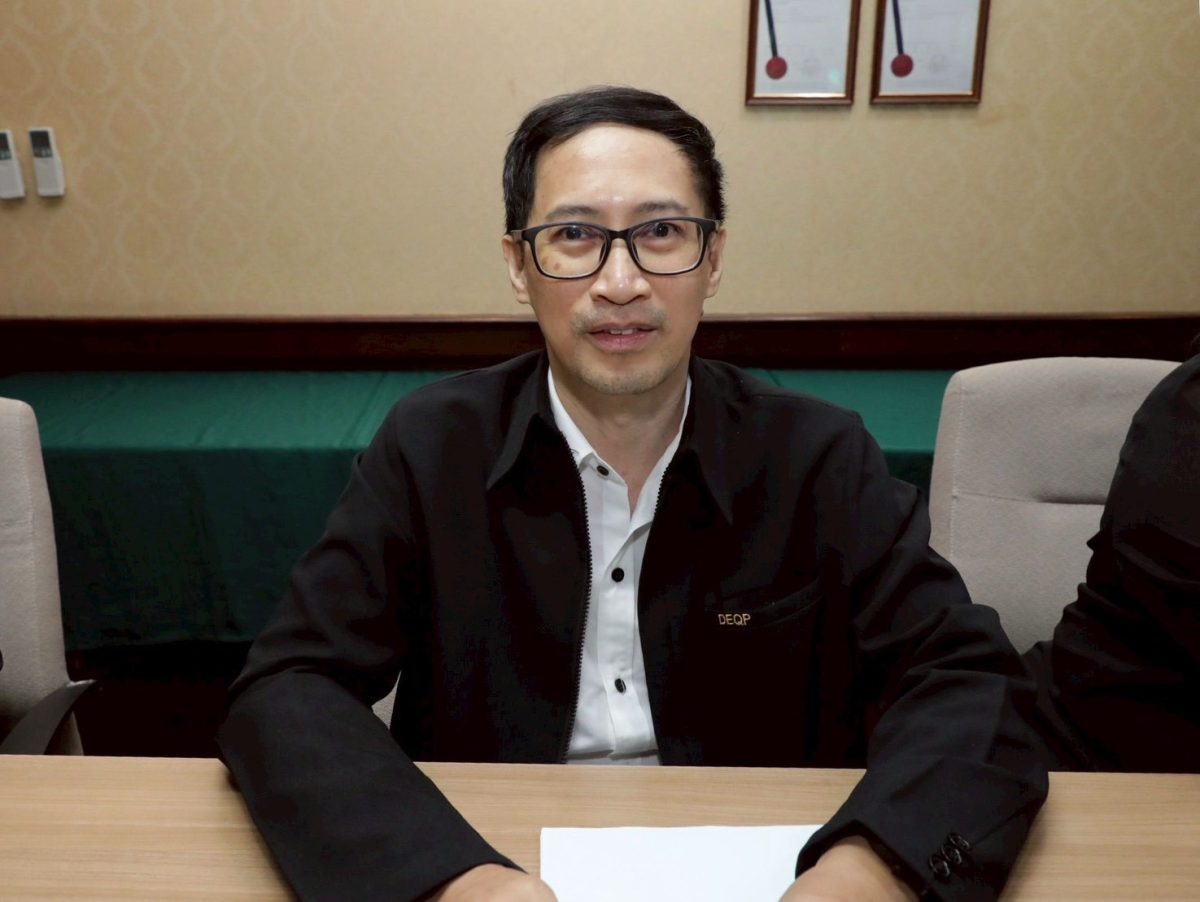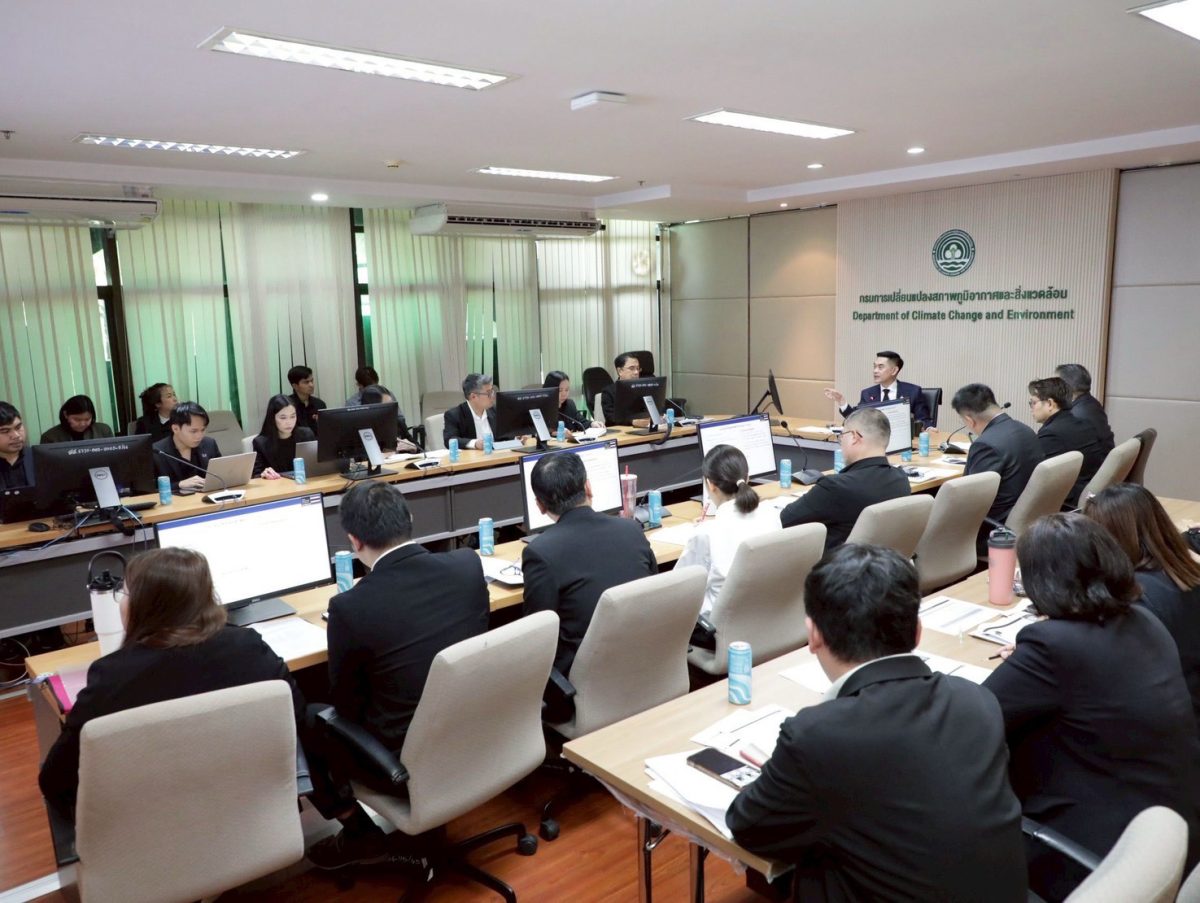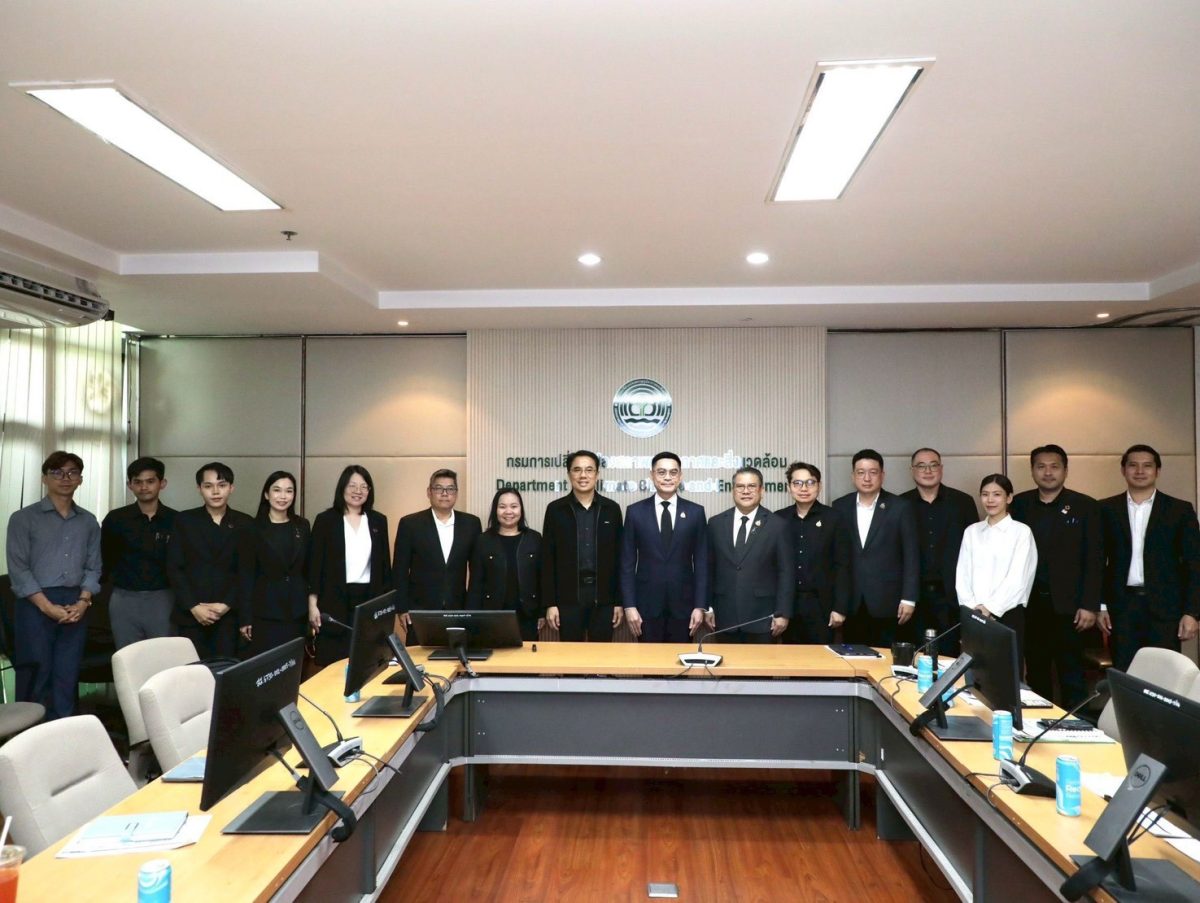
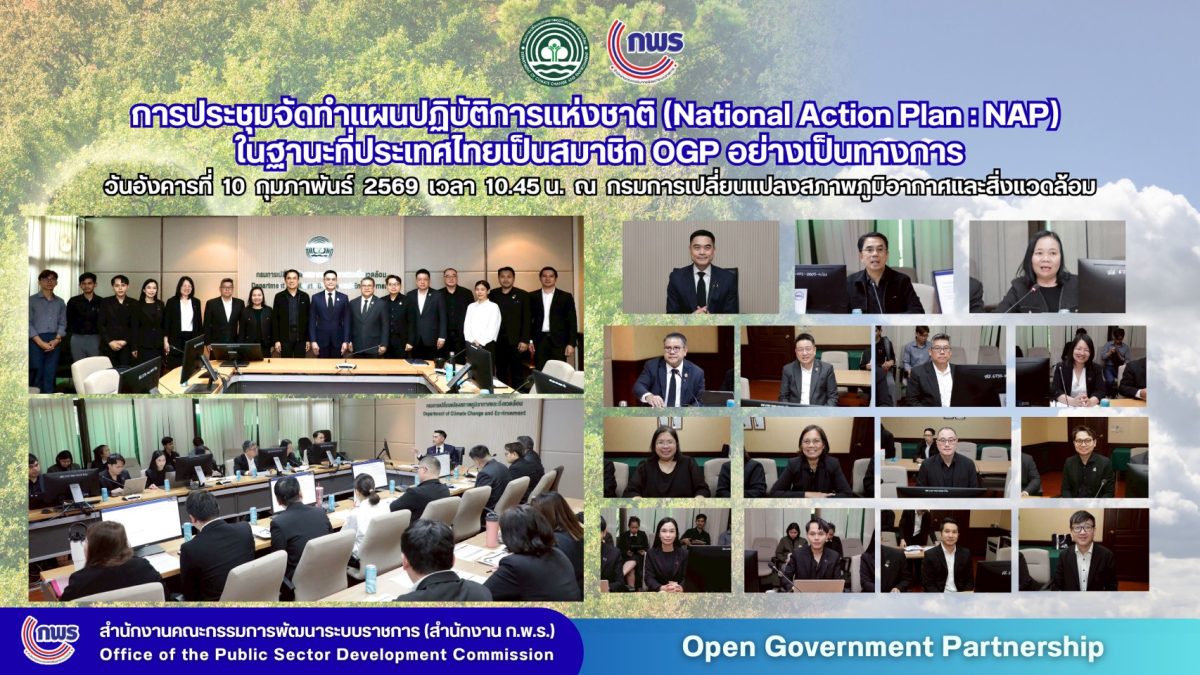
 The Office of the Public Sector Development Commission (OPDC) held a meeting with the Department of Climate Change and Environment to discuss the development of the National Action Plan (NAP) under the Open Government Partnership (OGP), focusing on Climate Adaptation and Climate Mitigation.
On 10 January 2026 at 10.45 a.m., Mr. Buntoon Srethasirote, Chair of the Subcommittee on Promoting Open Government and Public Participation, Mrs. Areepan Charoensuk, Senior Advisor to the OPDC, and Mr. Sunit Chersta, Subcommittee Member, together with OPDC officials, held a discussion with Mr. Pirun Saiyasitpanich, Director-General of the Department of Climate Change and Environment, and Mr. Pavit Ketsawong, Deputy Director-General, along with department officials, regarding the preparation of the National Action Plan (NAP) under Thailand’s membership in the Open Government Partnership (OGP).
The Department expressed its readiness to participate in the development of the NAP under relevant policy areas, including PM 2.5 mitigation, Climate Adaptation, and Climate Mitigation.
The key points are summarized as follows:
1. Climate Adaptation focuses on developing a Climate Adaptation and Resilience Network to connect all relevant stakeholders and enable effective collaboration. It also includes initiatives such as Bangkok Climate Action Week (BKKCAW), serving as a platform to translate knowledge, data, and best practices into real implementation at the local level, fostering exchange among government agencies, the private sector, academia, and communities to reduce risks and enhance urban resilience to climate impacts.
2. Climate Mitigation focuses on two main areas:
 Energy Transition and Climate Change, driven by the Green Network in collaboration with partners such as TDRI Policy Lab and the Energy Research Institute, Chulalongkorn University, to systematically advance energy transition.
 Circular Economy, through a circular economy network jointly operated by the Sustainable Environment Research Institute, Chulalongkorn University, and civil society networks, aiming to enhance resource efficiency, reduce waste, and lower carbon emissions across production and consumption systems.
 Strategic pilot areas include Saraburi Province (Saraburi Low Carbon and Resilience City), Nan Province (Nan Mindfulness and Resilience City), Bangkok, Phang Nga Bay, and Bang Kachao.
The overall goal of these initiatives is to deliver tangible benefits to people in each area, including reduced risk exposure, lower energy and waste management costs, improved quality of life and environment, and new fair economic opportunities. These efforts emphasize inclusive participation in decision-making, equal access to information and resources, and long-term sustainability driven by communities and citizens, supported by government mechanisms such as Payment for Ecosystem Services (PES), which is an economic approach where beneficiaries of ecosystem conservation provide compensation or support to those who protect and maintain ecosystems.
 Next Step: The OPDC will further discuss details with the Department of Climate Change and Environment to define projects and implementation plans. In addition, stakeholder consultations will be conducted under the OGP framework in Chiang Mai Province on 13 February 2026 and Khon Kaen Province on 20 February 2026.
#OPDC#OGP#PublicParticipation#OpenGovernment