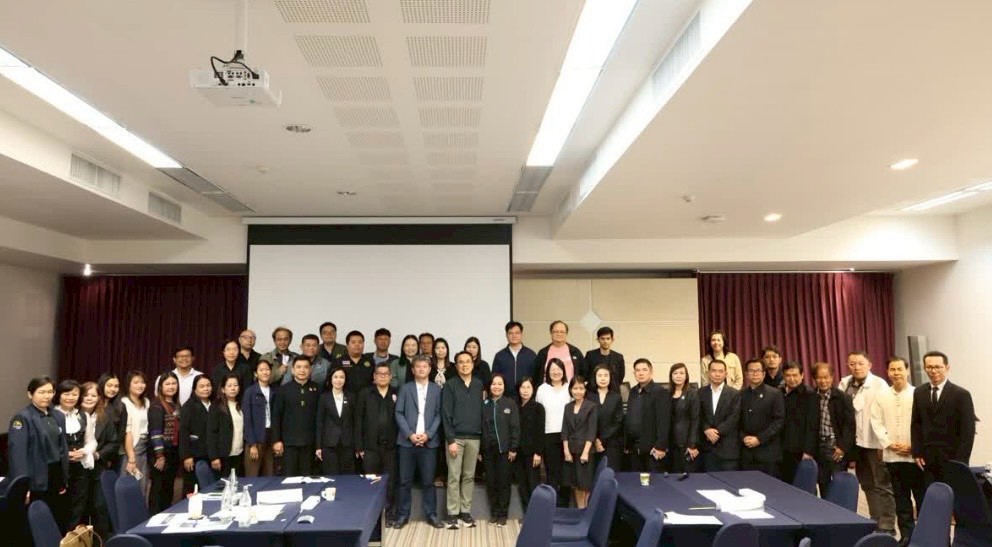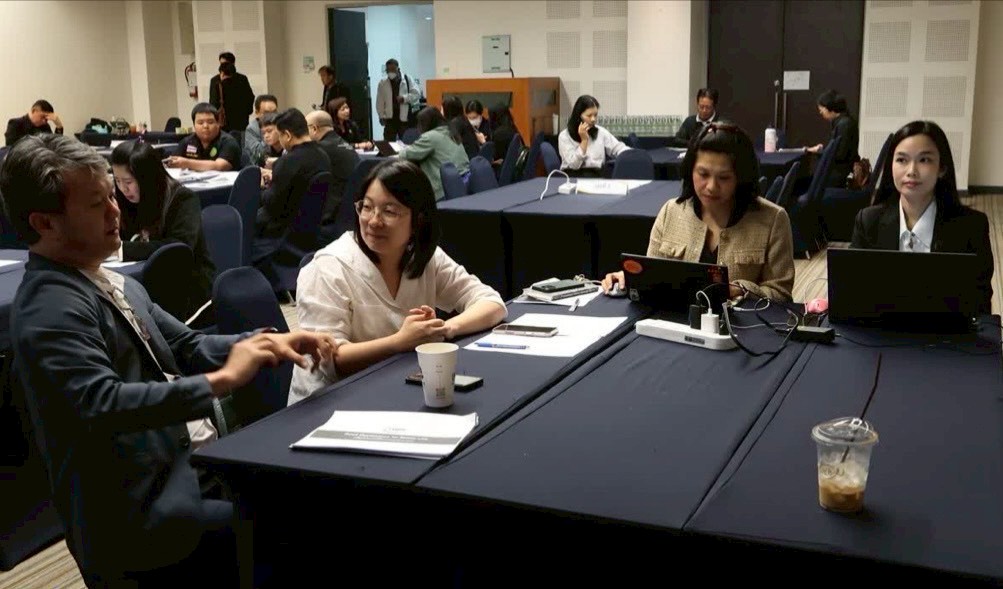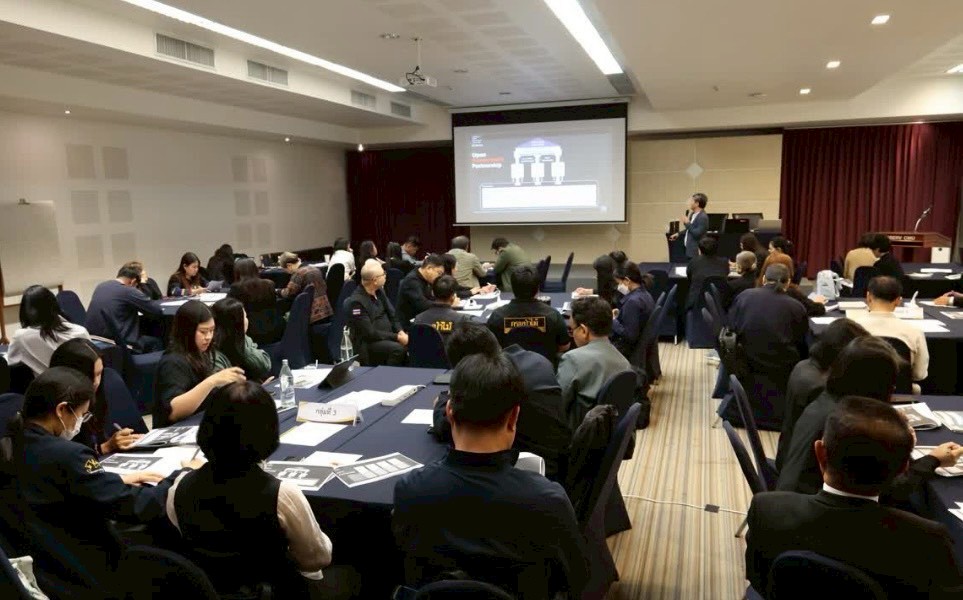
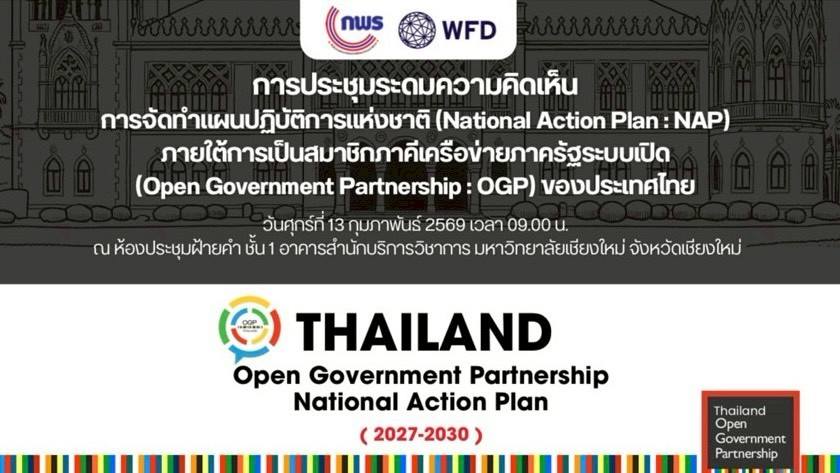

 The Office of the Public Sector Development Commission (OPDC), in collaboration with the Westminster Foundation for Democracy (WFD), convened a stakeholder consultation on the development of Thailand’s OGP National Action Plan (NAP) in Chiang Mai Province
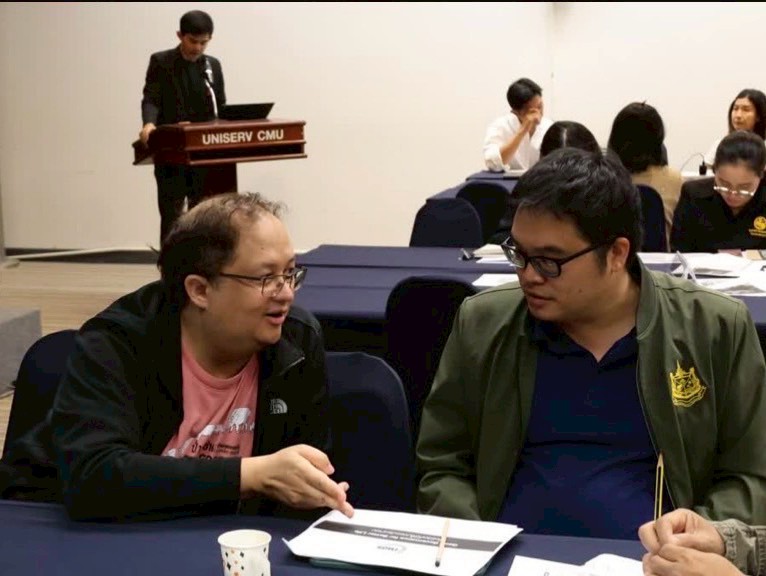
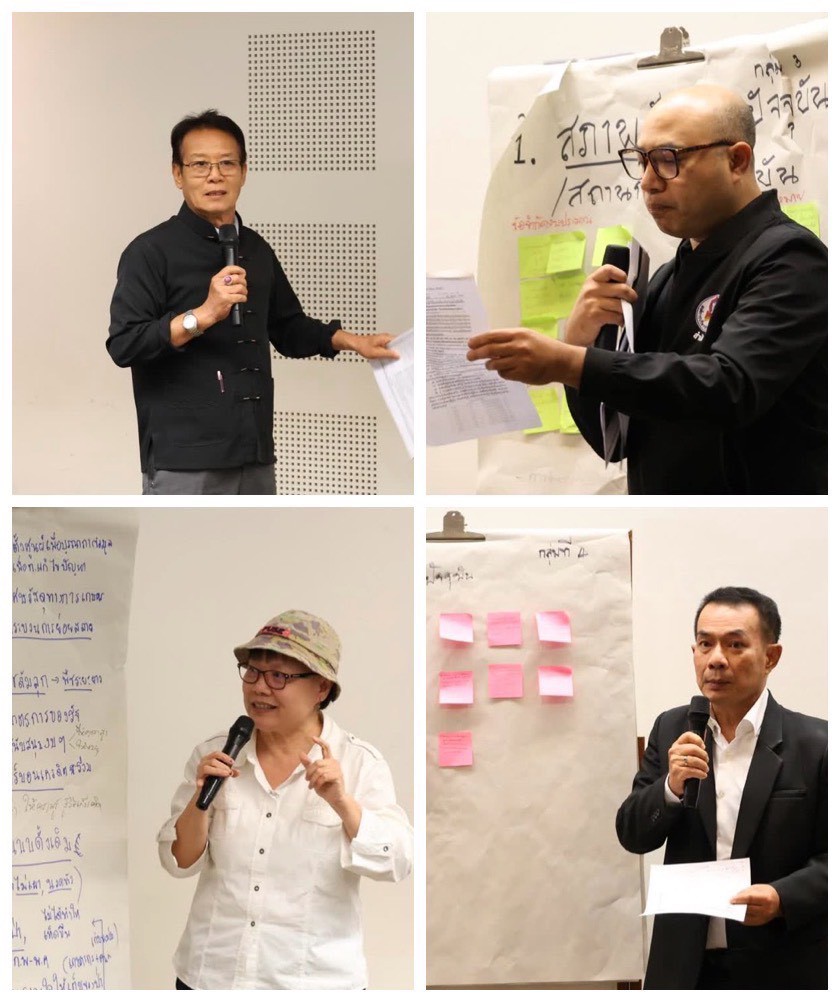
 On 13 February 2026, the Office of the Public Sector Development Commission (OPDC), in collaboration with the Westminster Foundation for Democracy (WFD), United Kingdom, invited representatives from the public sector, private sector, and civil society—including the STRONG Anti-Corruption Network, Charoen Pokphand Foundation for Rural Life Development, Thai Rak Pa Foundation, Bamboo Women’s Association for Social Care, Chiang Mai Community Networks, Clean Air for Chiang Mai Foundation, Green Network, and Green City Network—to participate in a consultation workshop for the development of Thailand’s National Action Plan (NAP) under its membership in the Open Government Partnership (OGP).
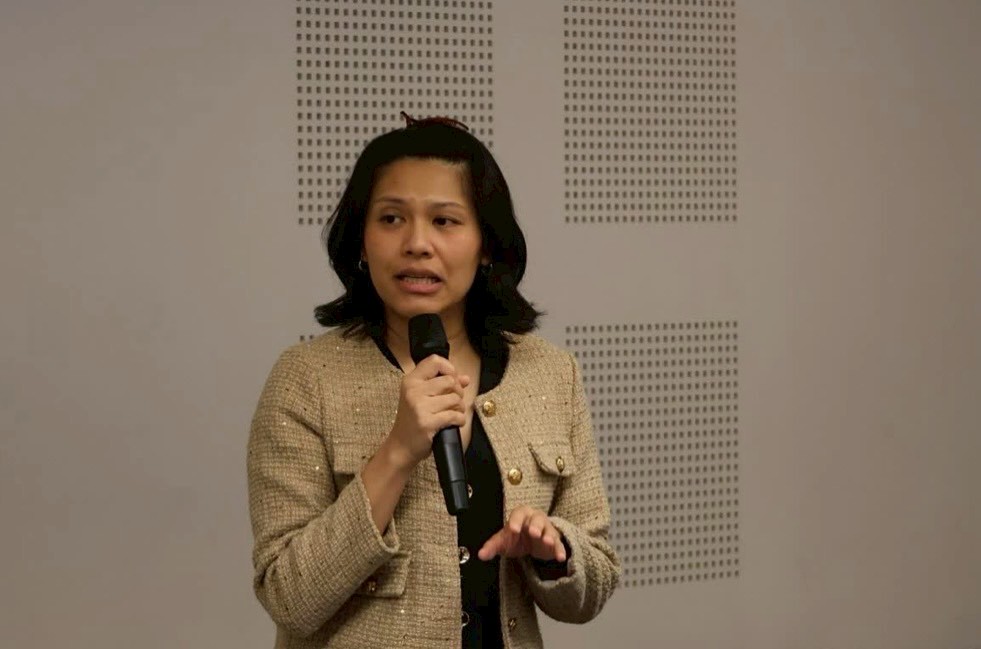
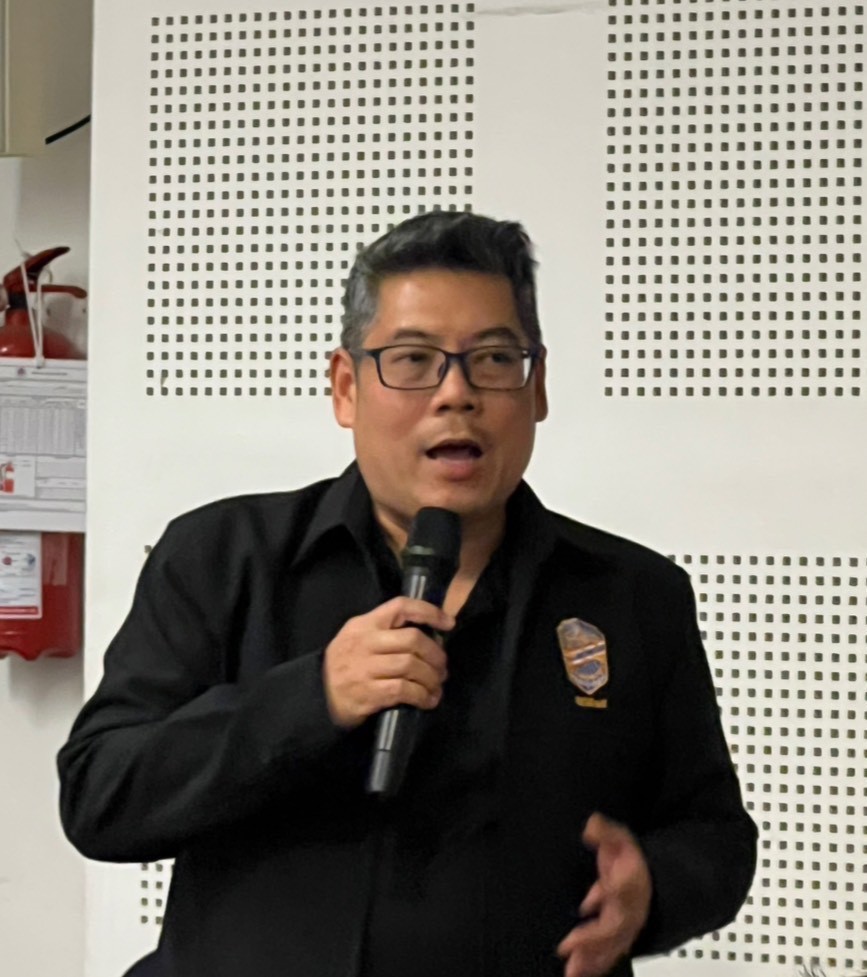
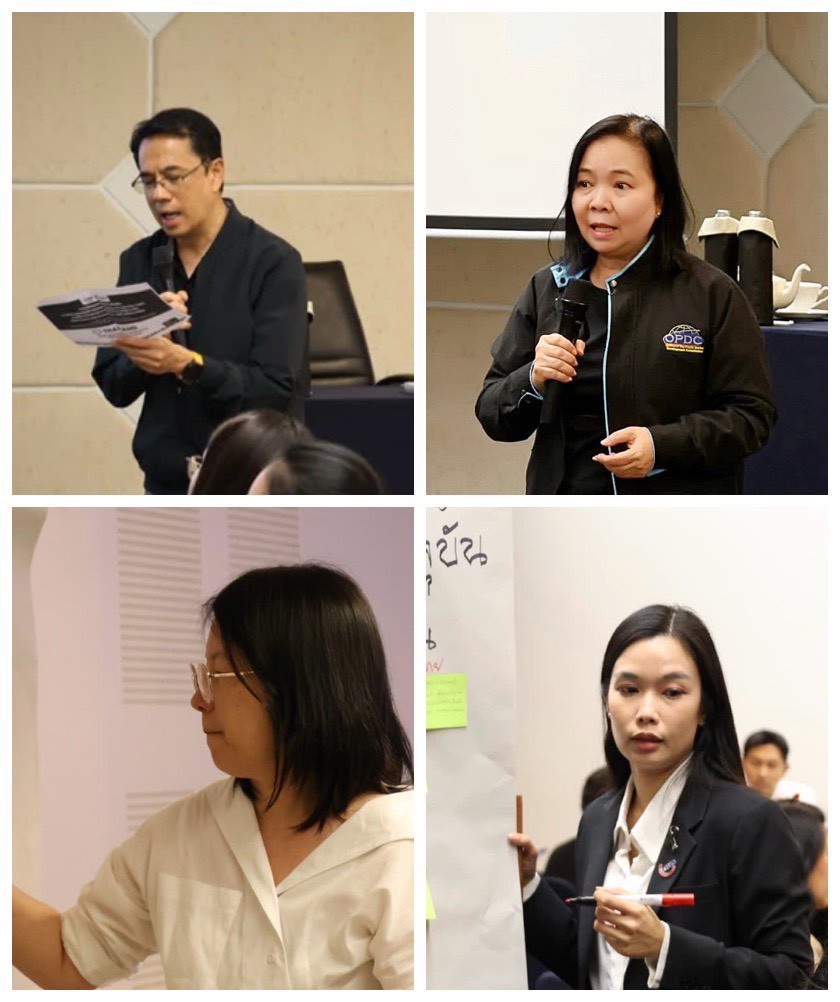
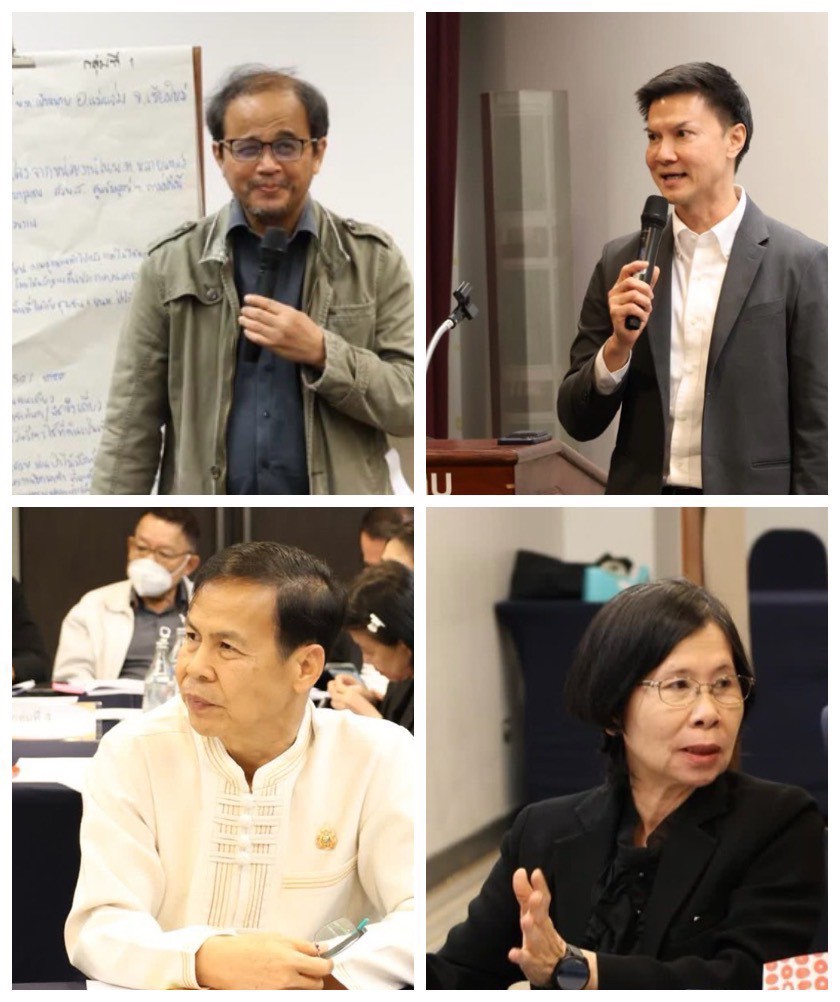
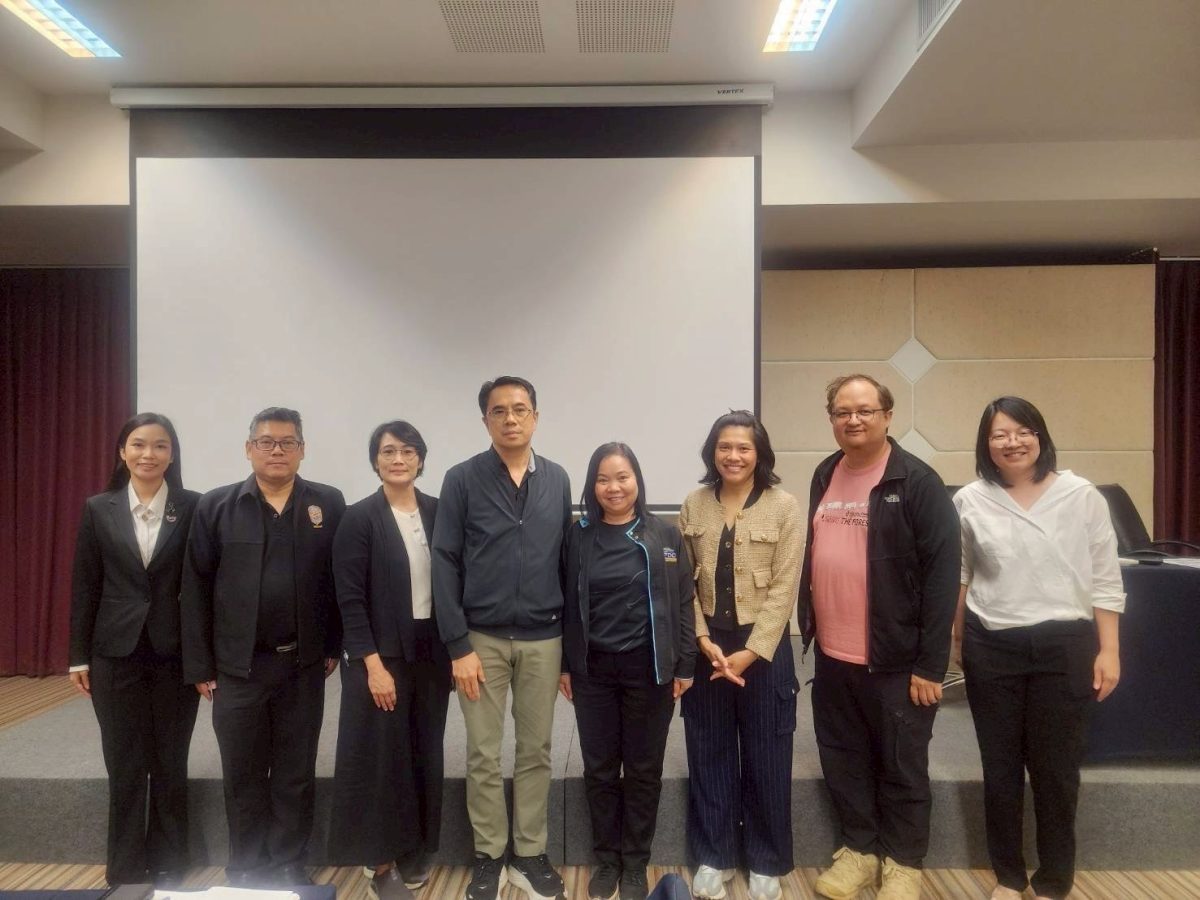
The meeting was led by Mr. Buntoon Srethasirote, Chair of the Subcommittee on Promoting Open Government and Public Participation, Mrs. Areepan Charoensuk, Senior Advisor to the OPDC, Ms. Teerada Supapong, Subcommittee Member, and Mr. Sunit Chettha, Subcommittee Member, together with OPDC officials. Participants from all sectors actively contributed to the discussions.
 Key takeaways are summarized as follows:
Stakeholder perspectives on OGP Policy Areas
 The most urgent priority areas identified were anti-corruption and transparency, followed by public participation and justice. Other important areas included climate and environment, access to information, fiscal transparency, equality, digital governance, and civic space. These priorities reflect a strong demand for a more open, transparent, and accountable government.
For the northern region, climate and environmental issues were identified as the most critical challenges.
 Public participation in addressing corruption emphasized both individual and systemic actions, including rejecting bribery, adhering to laws and ethics, strengthening complaint mechanisms, enhancing transparency through open data, enforcing laws effectively, using digital tools to reduce corruption risks, and promoting a culture that rejects corruption.
 Public participation in climate and environmental issues focused on behavioral change, such as reducing plastic use, conserving energy, and waste separation, alongside policy-level measures such as carbon reduction targets, strict environmental law enforcement, promotion of green innovation, and cross-sector collaboration.
 Priority government data for disclosure included budget and procurement data as the highest priority, followed by audit data, welfare and benefits information, and licensing processes, reflecting strong demand for transparency in public spending and state authority.
 A transparent justice system should ensure accessible information on legal processes and case progress, reduce unnecessary complexity and discretion, establish safe and traceable complaint mechanisms, and leverage digital technologies to improve transparency and efficiency, while ensuring appropriate personal data protection.
Breakout group discussions on key issues
Land tenure and access to agricultural land: The Mae Chaem case reflects progress in land allocation under decentralized governance, but challenges remain in legal clarity, post-allocation services, and fragmented data systems. Recommendations include centralized data systems, standardized land documentation, improved service access, and support for sustainable agriculture.
Agricultural and forest burning: Burning persists due to cost and traditional practices. Solutions include transforming agricultural production systems, biomass utilization technologies, economic incentives such as carbon credits and non-burning procurement, and stronger multi-sector collaboration.
Decentralization for wildfire management: Local authorities face limitations in budget and capacity. Recommendations include stronger decentralization, resource allocation, data integration, participatory mechanisms, and incentive systems for effective wildfire management.
Anti-corruption: The STRONG Chiang Mai Network highlighted persistent corruption challenges reflected in CPI trends and local governance issues. Key recommendations include enhanced transparency in high-risk projects, reduced discretion in administrative processes, stronger whistleblower protection, strict law enforcement, and budget reforms that incentivize prevention.
 Next Step: The OPDC will continue working with all sectors to integrate inputs from the Chiang Mai consultation into Thailand’s OGP National Action Plan (NAP), ensuring an open, transparent, and participatory process that delivers tangible and sustainable outcomes at both local and national levels.