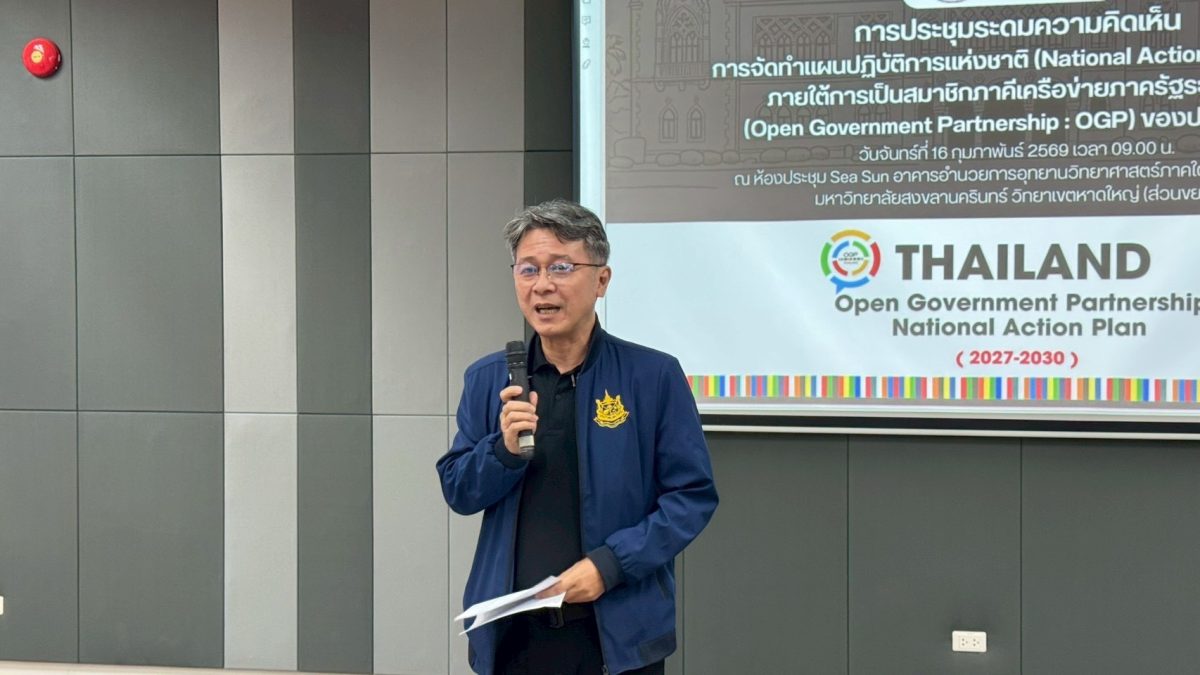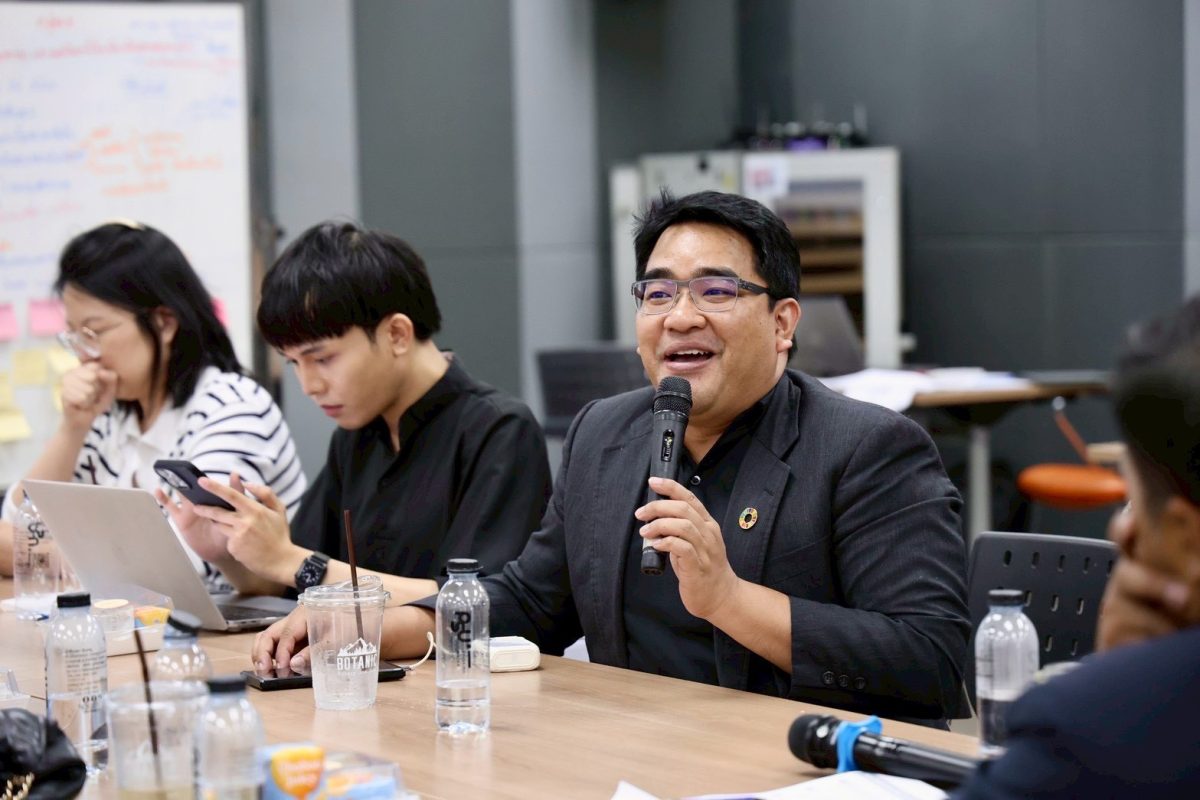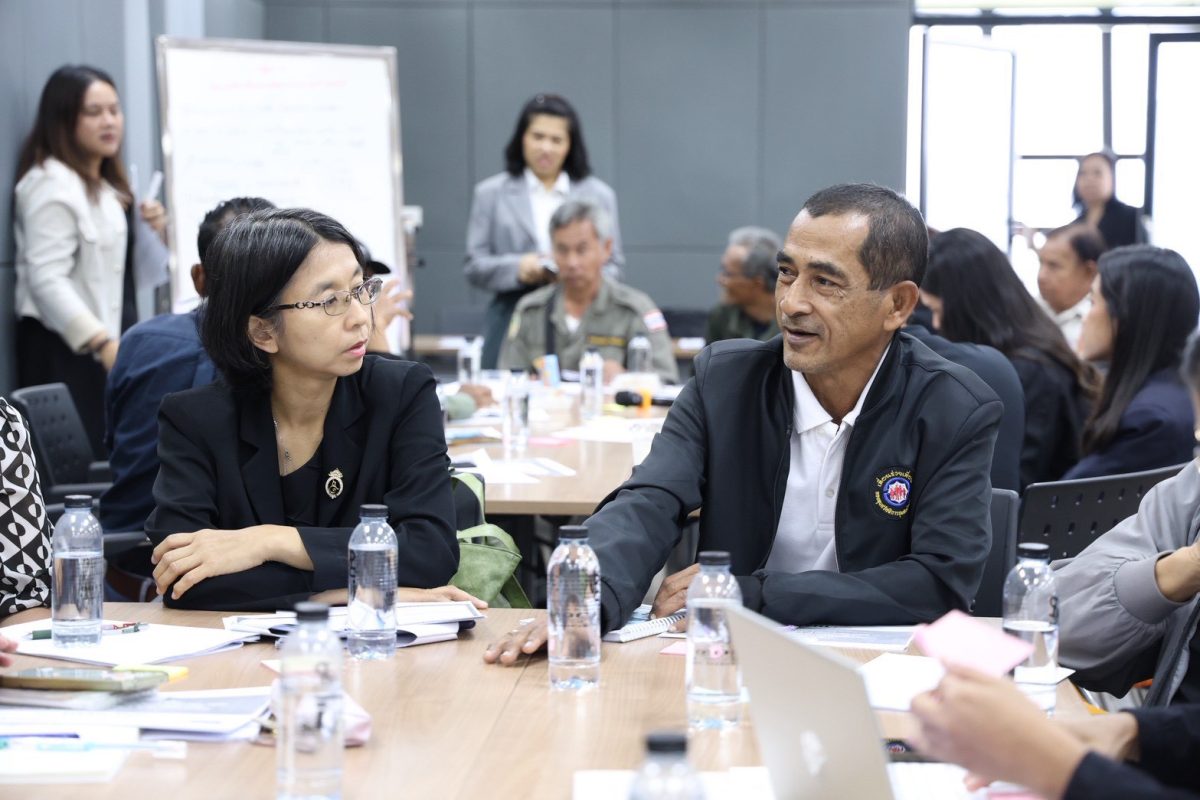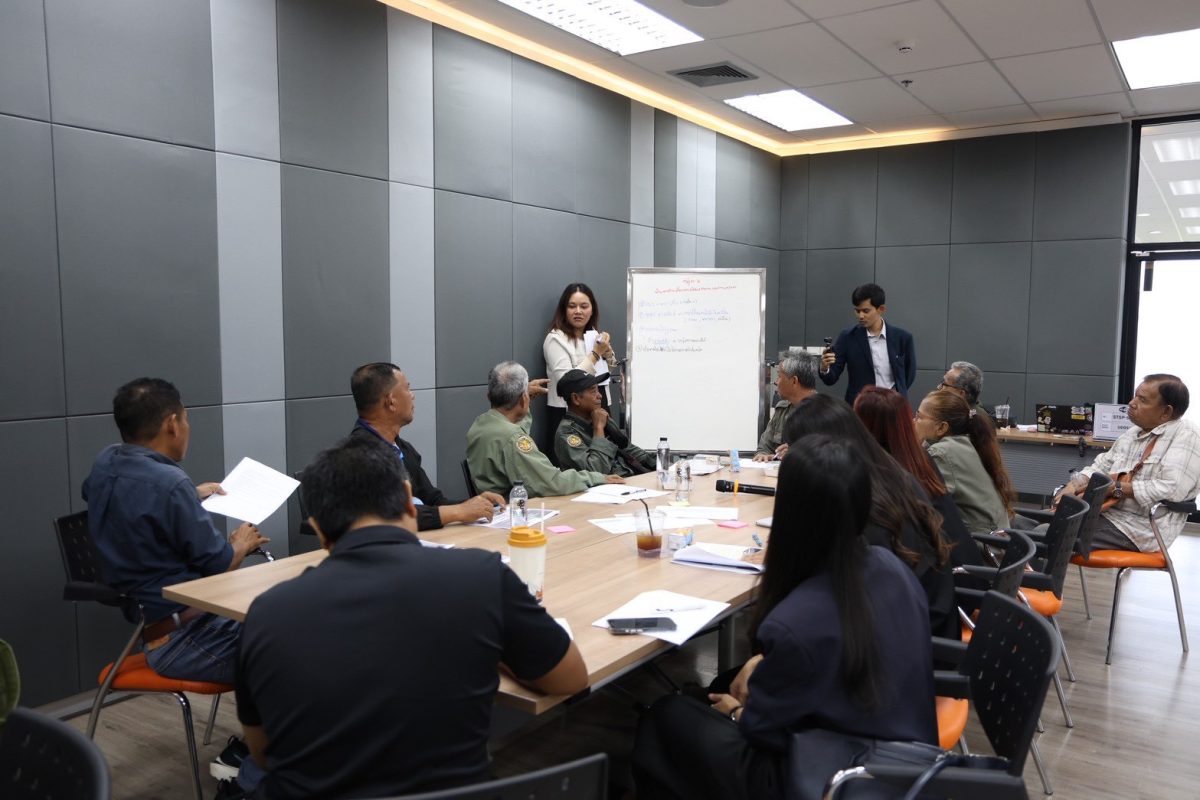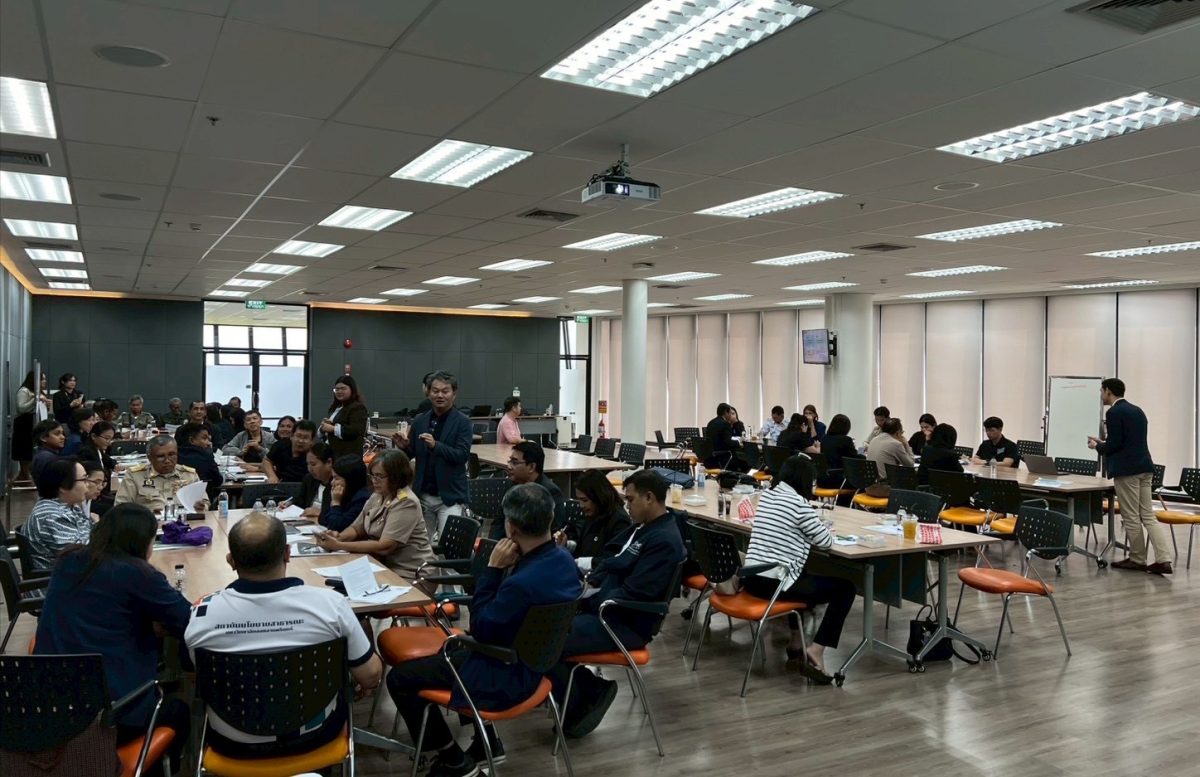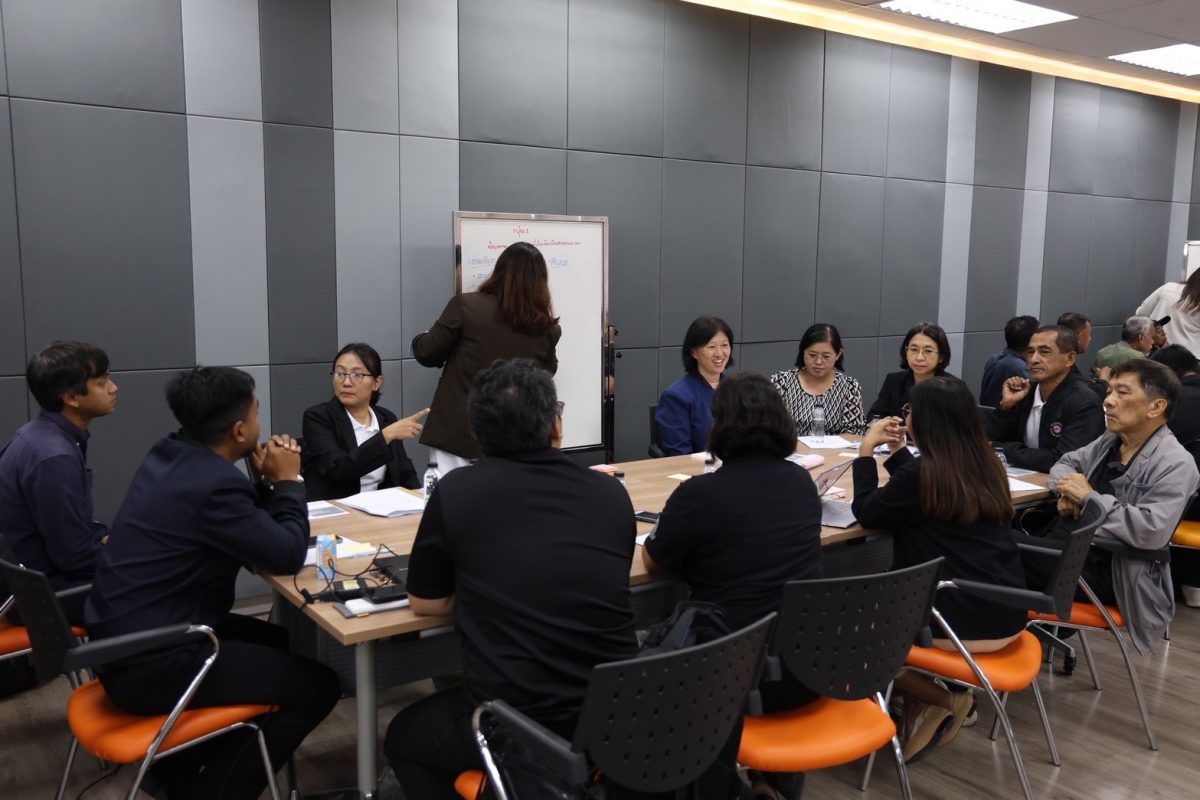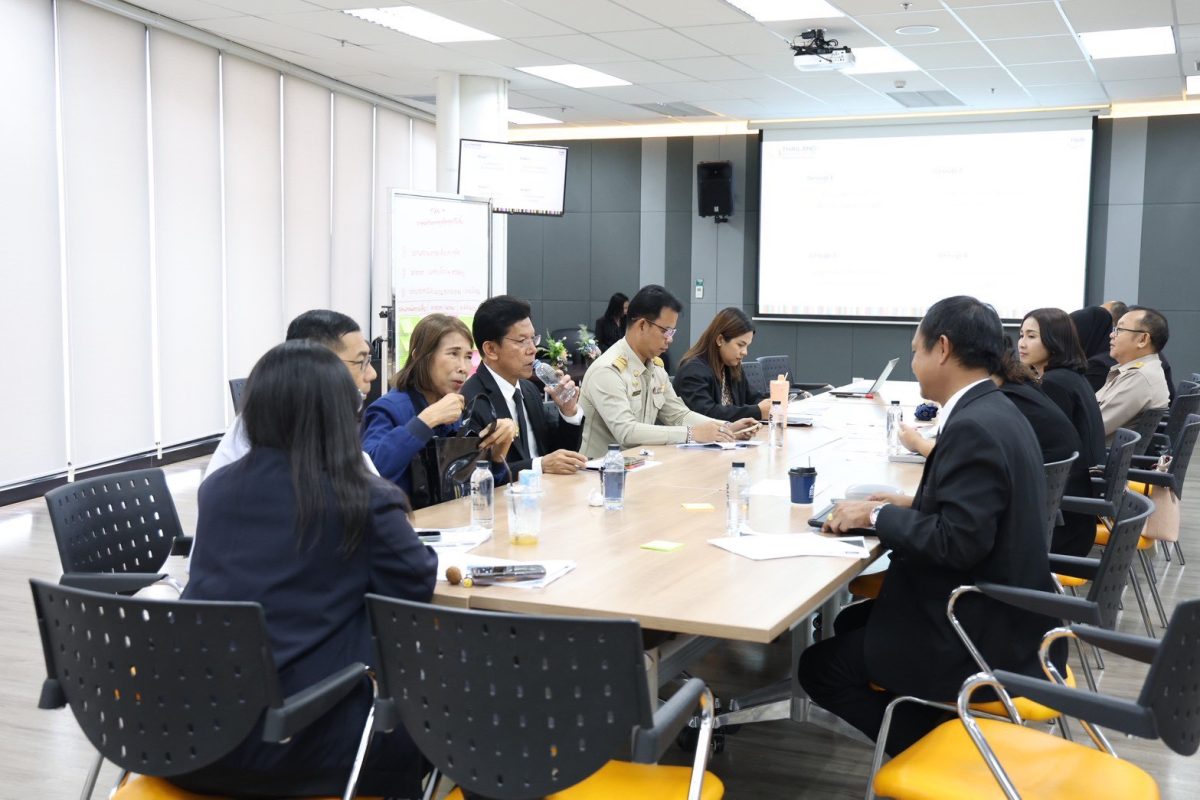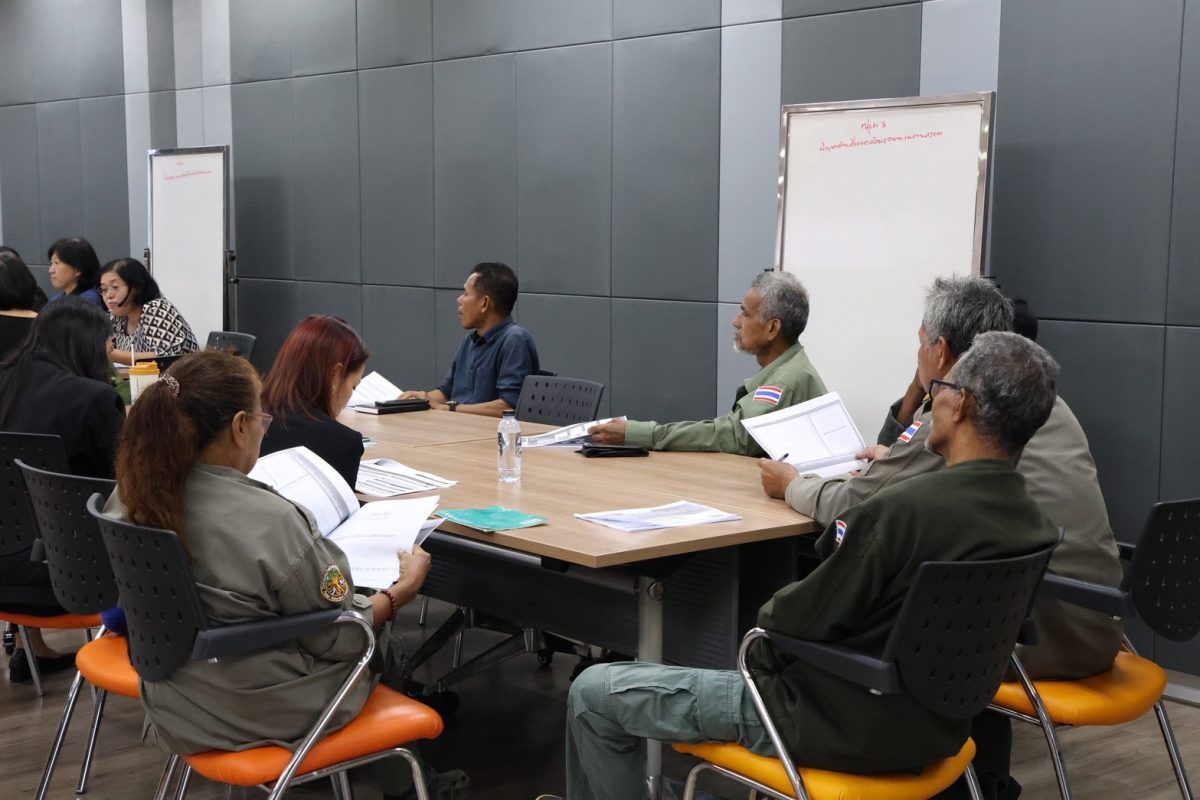
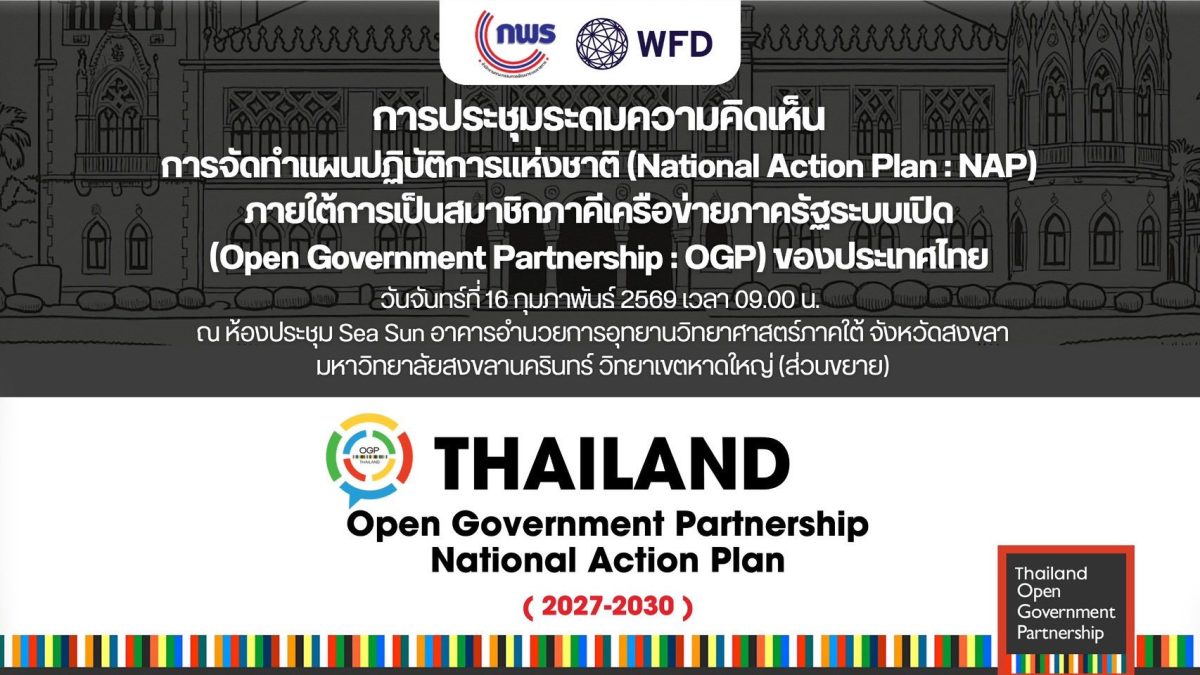

 Office of the Public Sector Development Commission (OPDC), in collaboration with the Westminster Foundation for Democracy (WFD), organized the activity “Co-creating Thailand’s Future through the Development of the OGP National Action Plan (NAP)” in Songkhla Province
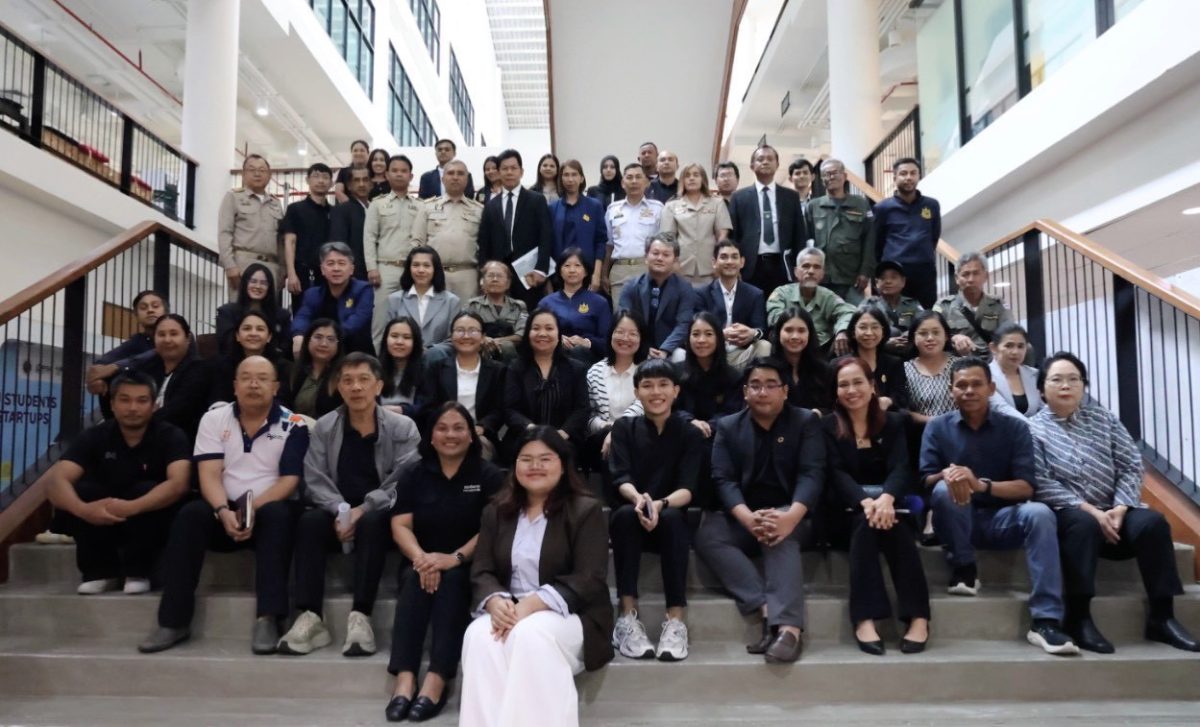
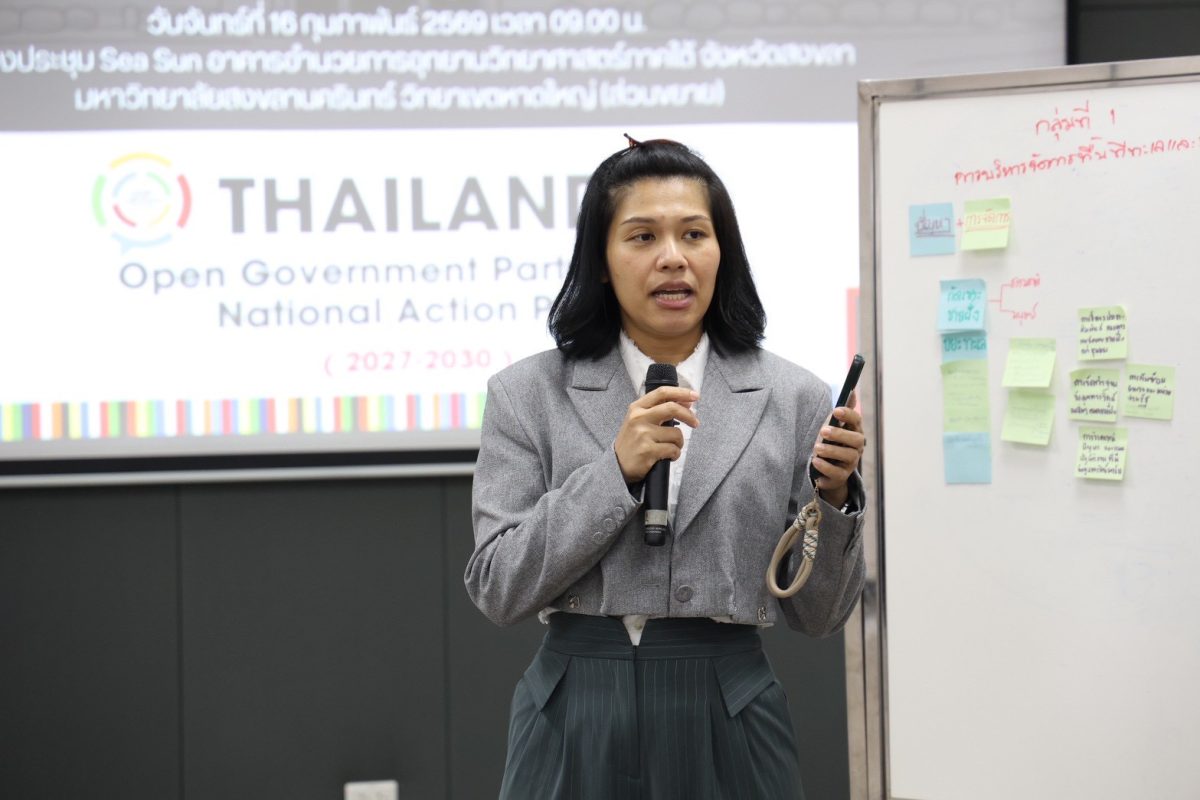
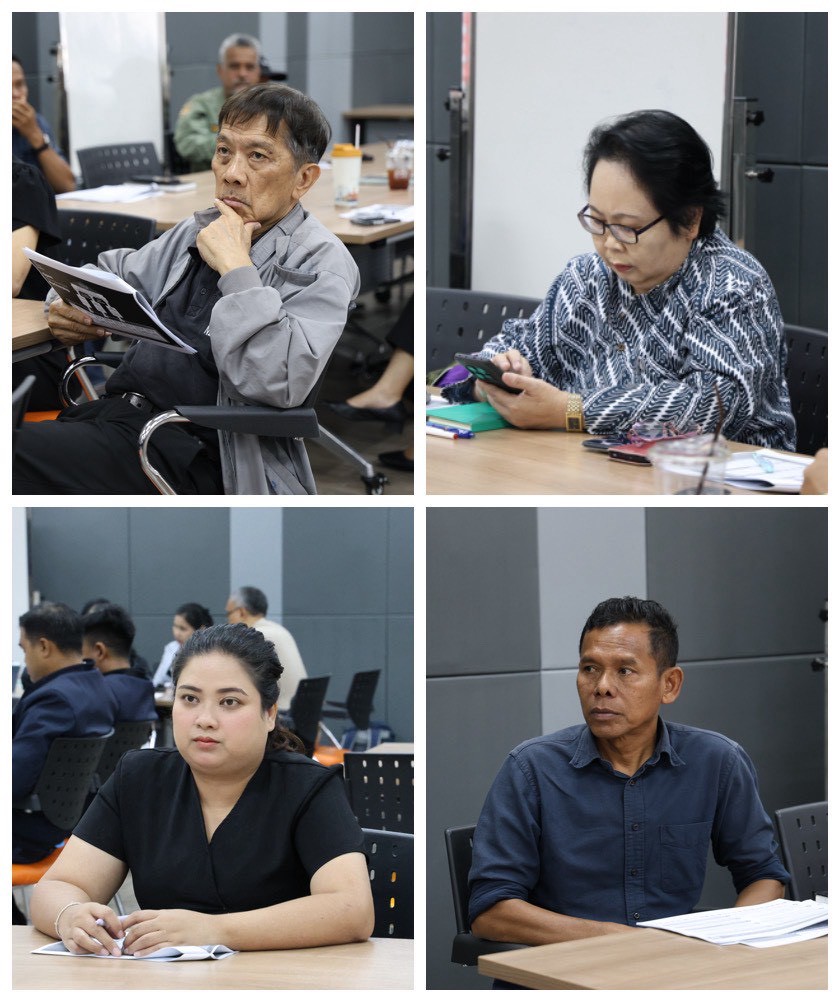
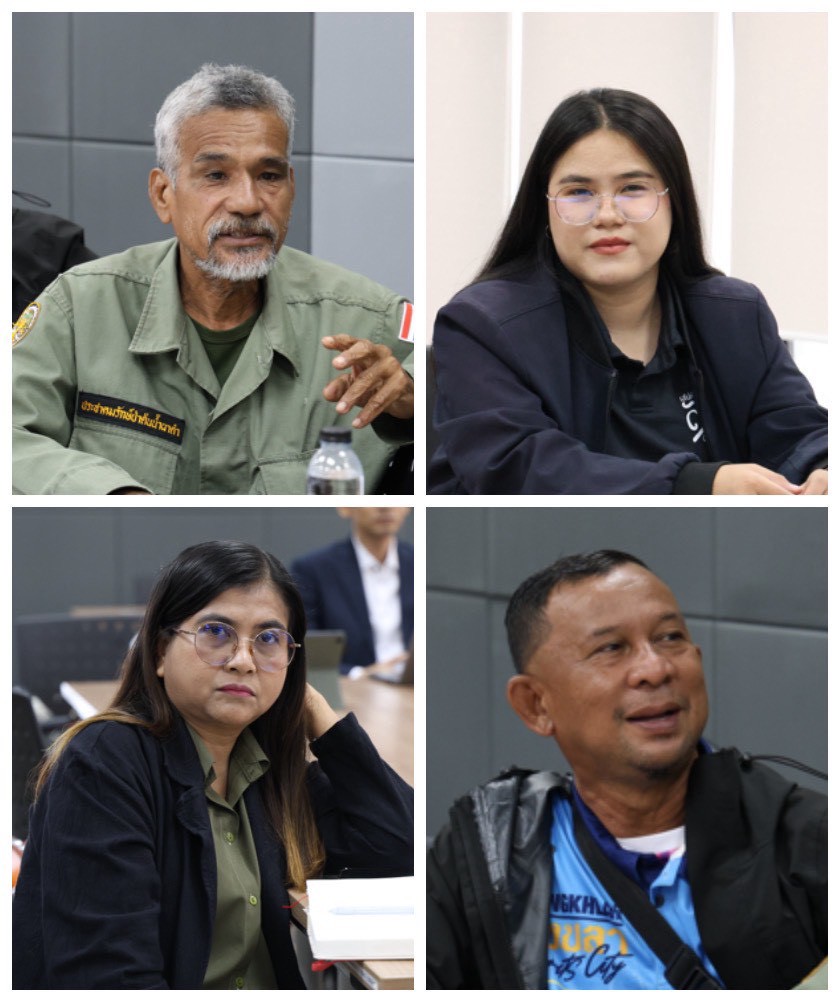
 On 16 February 2026, the OPDC, in collaboration with the Westminster Foundation for Democracy (WFD), United Kingdom, convened a multi-stakeholder consultation bringing together representatives from the public sector, private sector, and civil society. Participants included organizations such as 30×30 Coalition Thailand, the Lower Gulf of Thailand Marine and Coastal Resources Research Center, the Thai Sea Watch Association, the Department of Marine and Coastal Resources, and local administrative organizations.
The meeting aimed to gather inputs for the development of Thailand’s National Action Plan (NAP) under its membership in the Open Government Partnership (OGP).
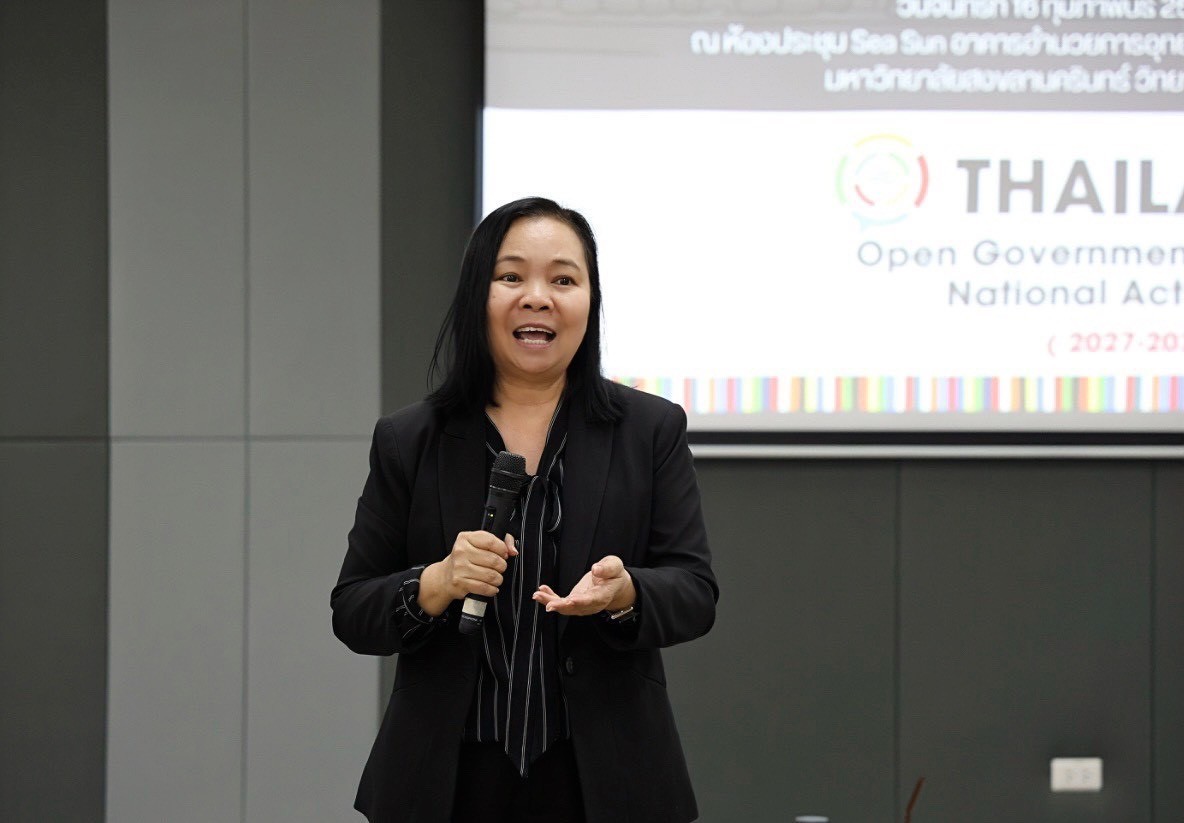
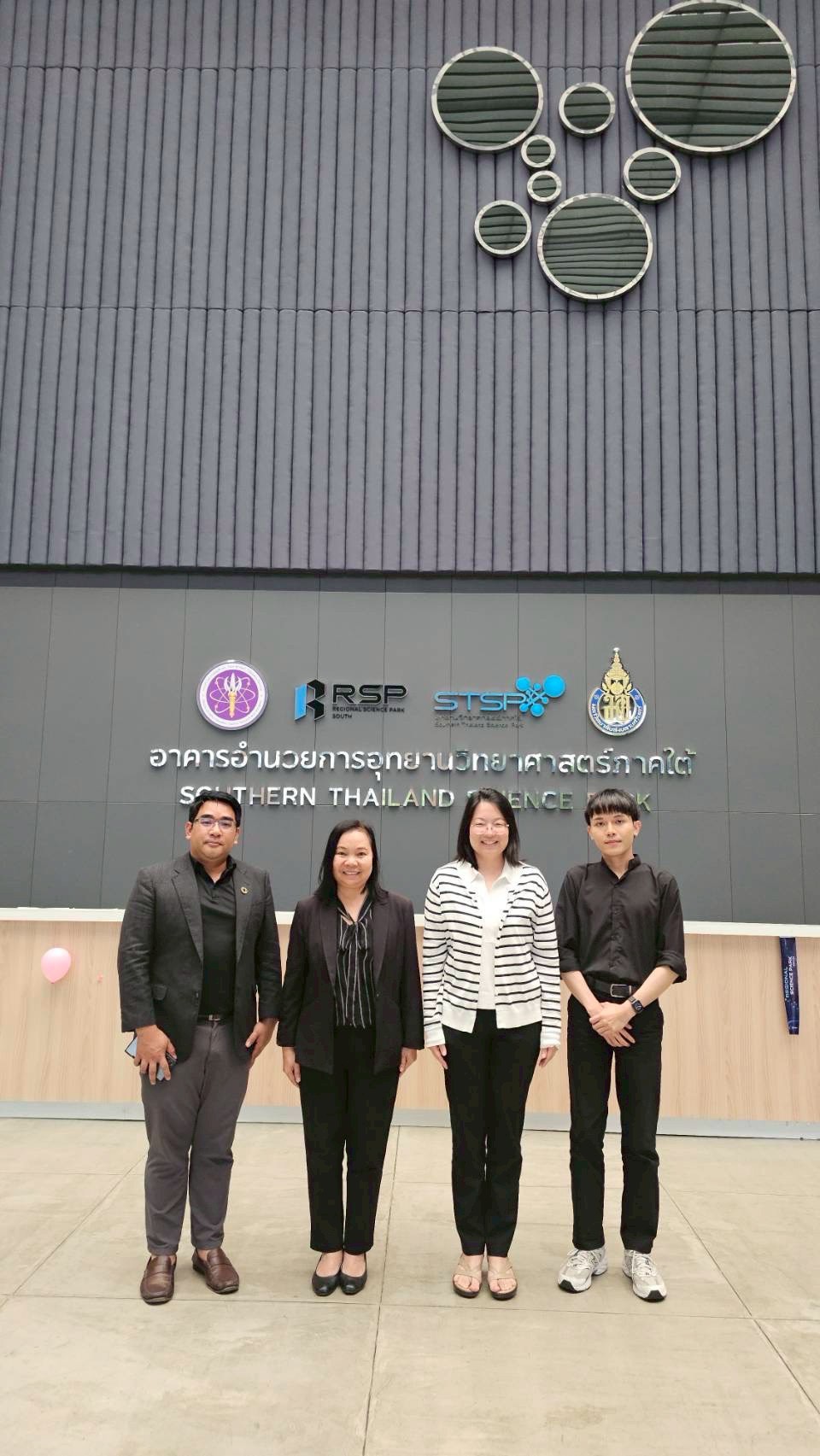
The session was chaired by Mrs. Areeyapan Charoensuk, Senior Advisor to the OPDC, with participation from OPDC officials and representatives from all sectors.
 Key takeaways are summarized as follows:
Outcomes from stakeholder consultations on OGP Policy Areas
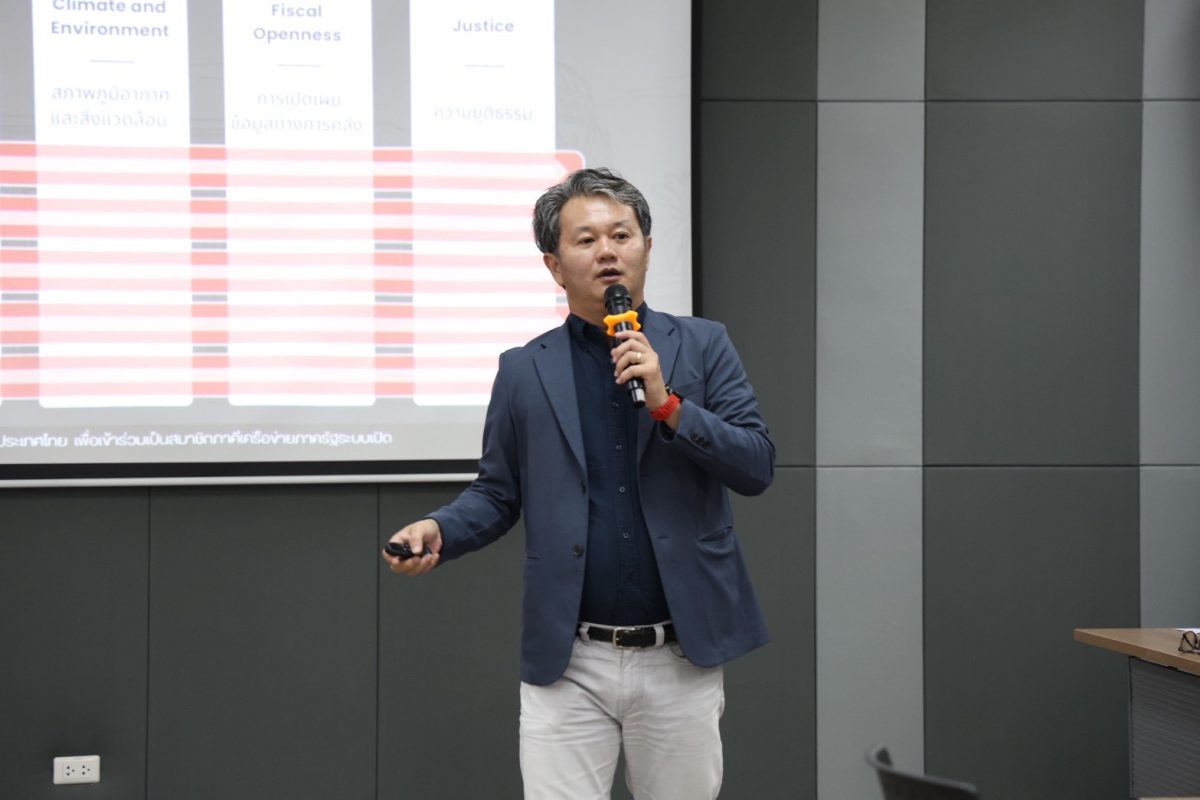
 Top three priority policy areas identified were anti-corruption and transparency, followed by climate and environment, and justice. Other important areas included access to information, fiscal transparency, equality, digital governance, and civic space. These priorities reflect a strong demand for a more open, transparent, and accountable government, particularly in the southern region where anti-corruption was identified as the highest priority.
 Public participation in tackling corruption
Recommendations emphasized both individual and organizational levels. At the individual level, participants highlighted strict adherence to rules and professional ethics, such as compliance with Terms of Reference (TOR) and avoidance of conflicts of interest. At the organizational level, proposals included fostering a culture of integrity and leveraging digital technologies to enhance transparency and enable public oversight.
 Public participation in addressing climate and environmental issues
Proposals covered both behavioral and policy dimensions. At the individual level, this includes reducing waste and preventing the disposal of pollutants into water sources. At the policy level, recommendations focused on enforcing environmental laws, ensuring transparent disclosure of environmental data, and empowering local communities in resource management.
 Priority government data for disclosure
Participants emphasized the importance of opening up budget and public procurement data, followed by audit-related data, welfare and benefits information, as well as licensing procedures. This is to strengthen public oversight mechanisms and improve transparency in public administration.
 Effective marine and coastal management
Policy recommendations highlighted the need for integrated governance through a “One Plan” approach, promoting coordination among government, private sector, and civil society. Key principles include fair and impartial law enforcement and avoiding preferential treatment. Additionally, the use of coastal zoning tools was proposed to ensure balanced resource allocation and reduce conflicts among stakeholders, alongside strengthening coastal community networks in monitoring marine pollution and waste.
 Next Step: OPDC will continue working with all sectors to incorporate inputs from the Songkhla consultation into Thailand’s OGP National Action Plan (NAP), ensuring that it is open, transparent, and participatory, and delivers tangible and sustainable outcomes for both local communities and the country as a whole.