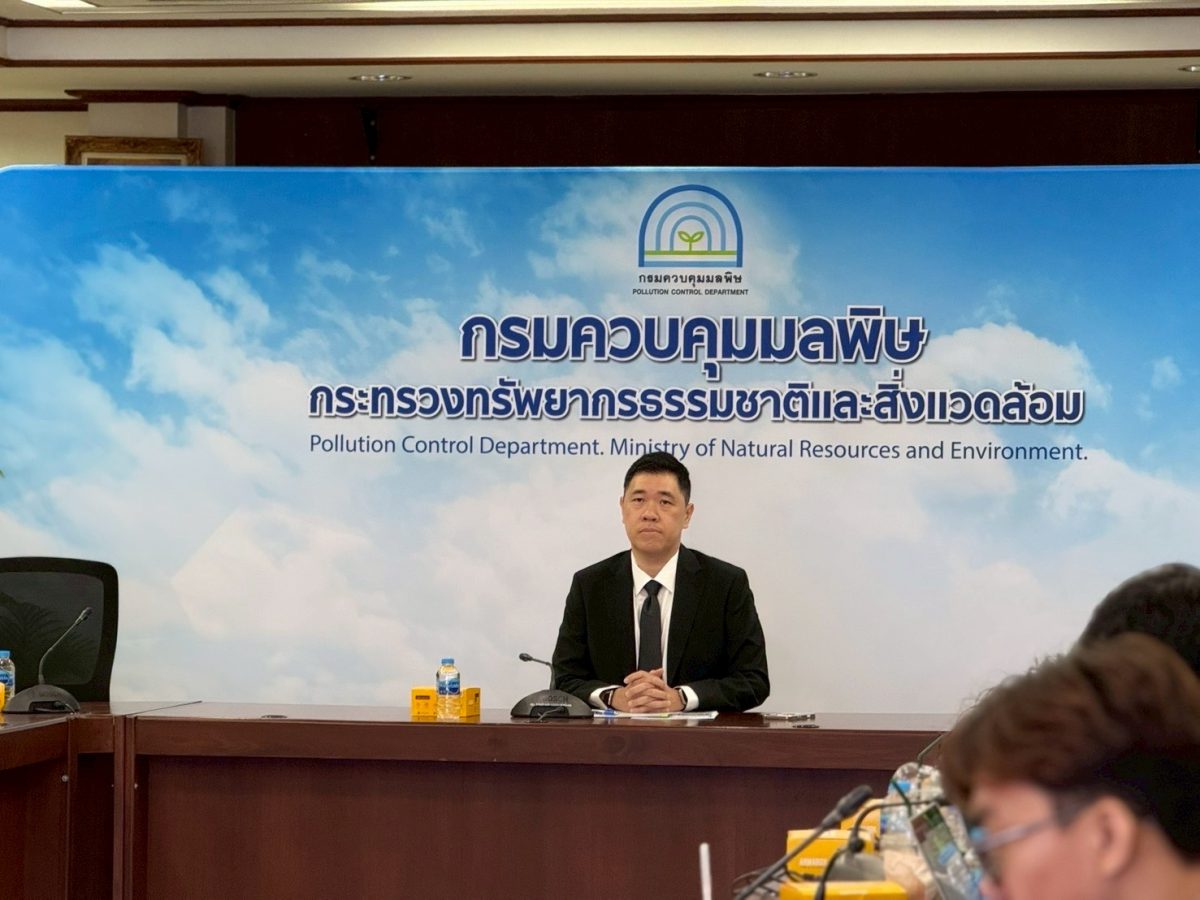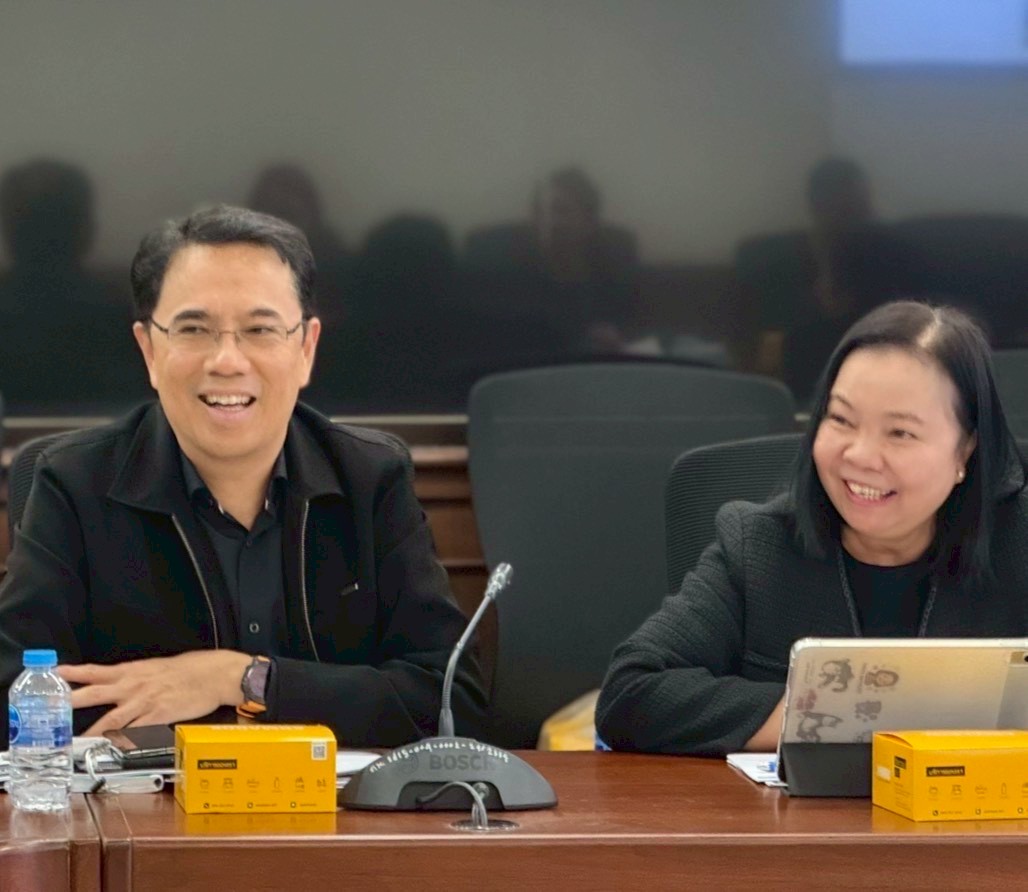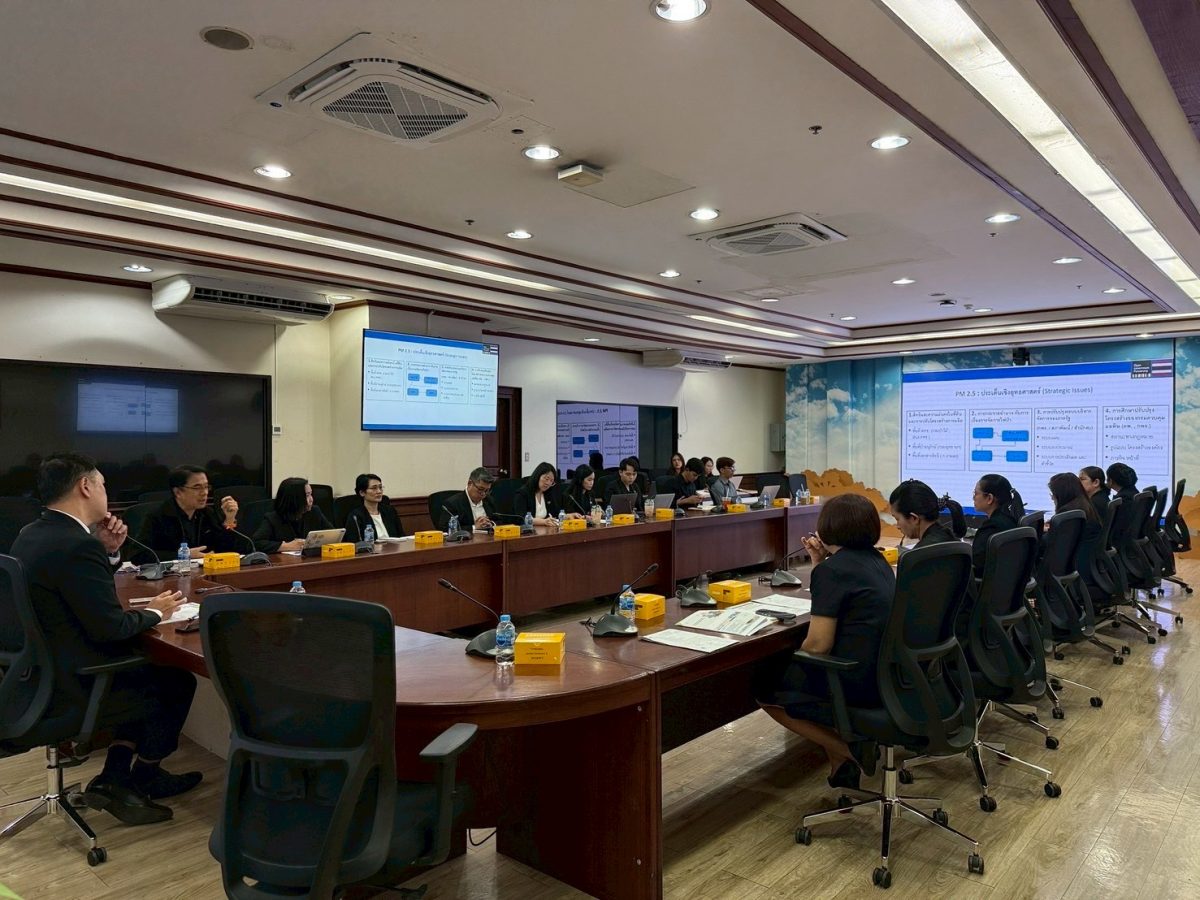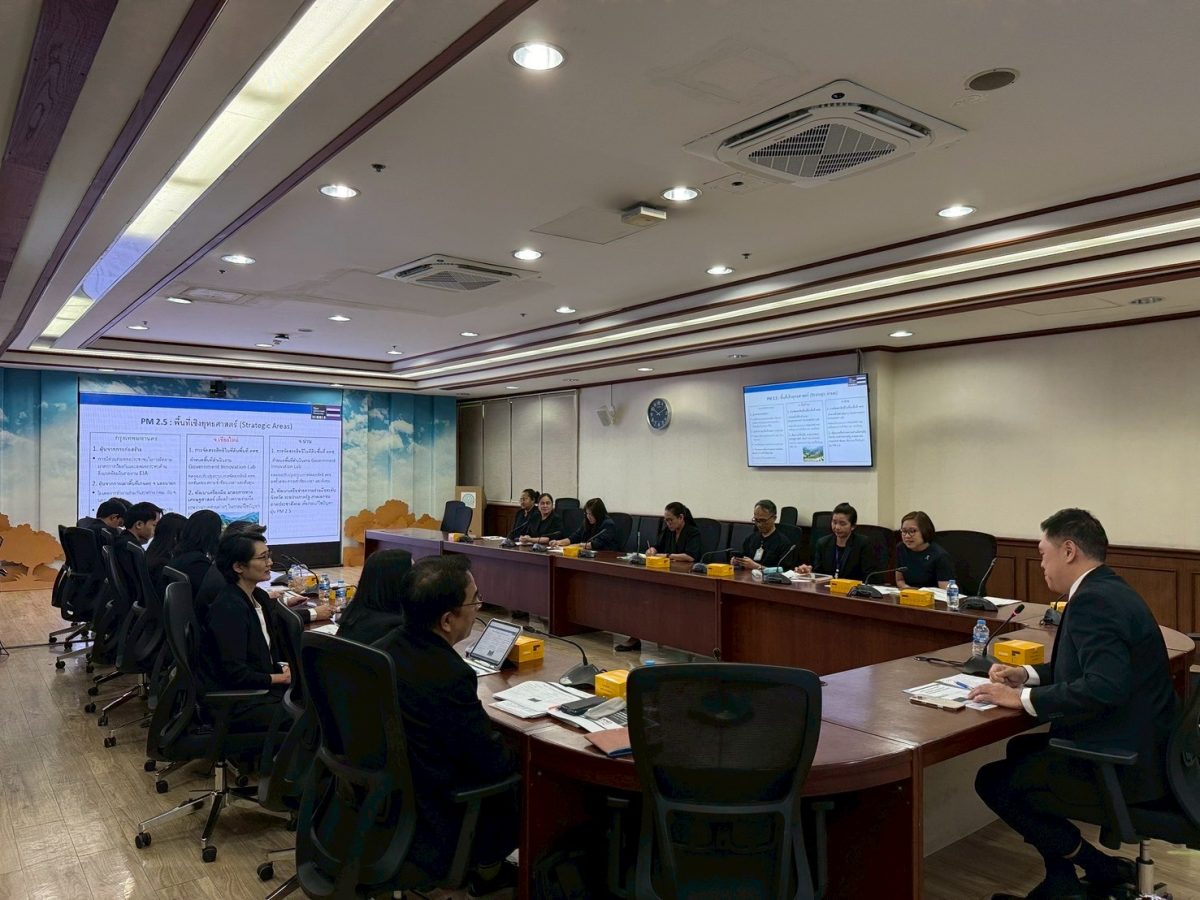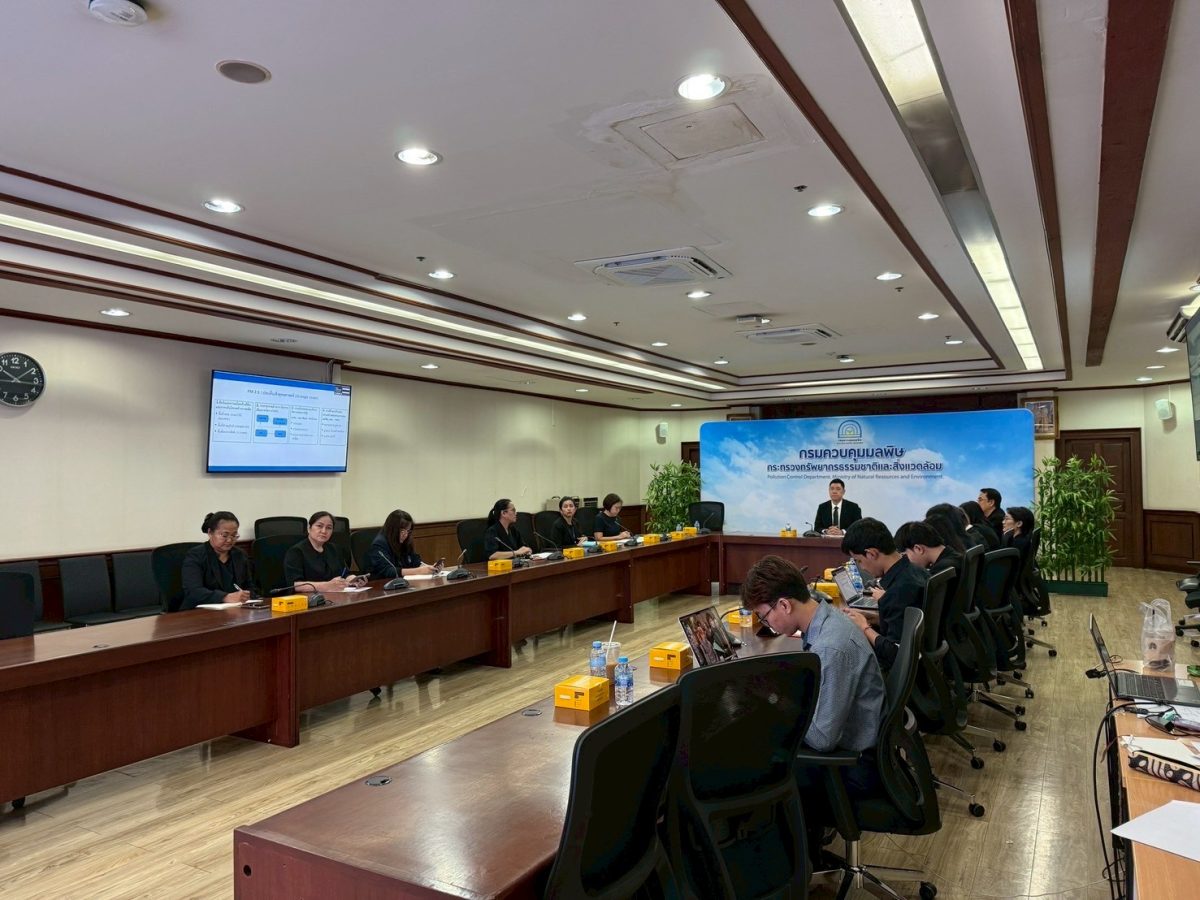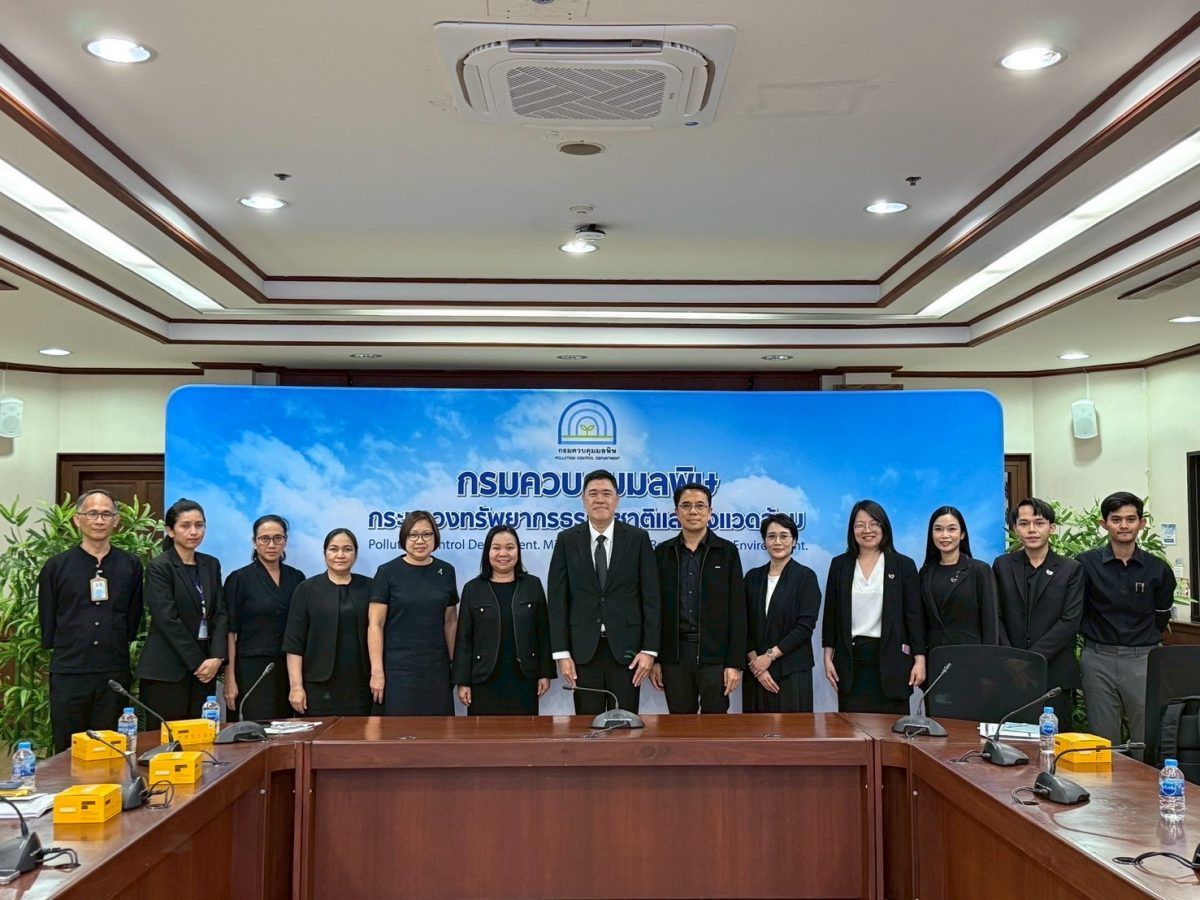
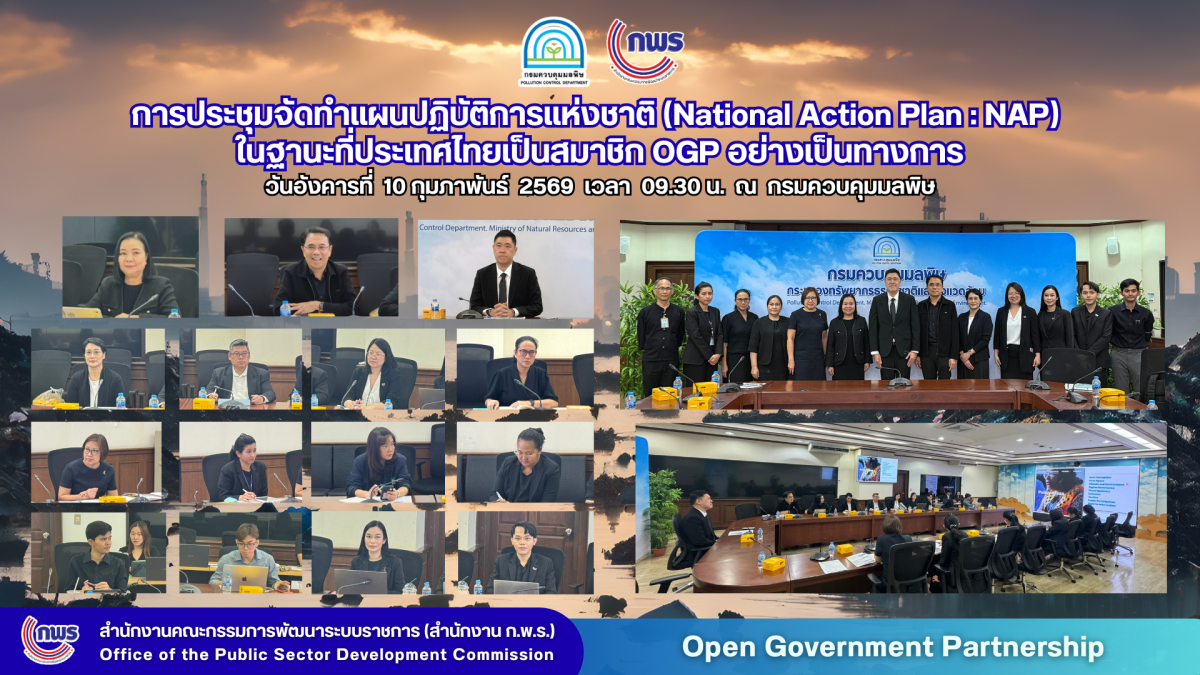

 The Office of the Public Sector Development Commission (OPDC) held a meeting with the Pollution Control Department (PCD) to discuss the development of the National Action Plan (NAP) under the Open Government Partnership (OGP), focusing on PM2.5 and sustainable solutions.
On 10 January 2026 at 9.30 a.m., Mr. Buntoon Srethasirote, Chair of the Subcommittee on Promoting Open Government and Public Participation, Mrs. Areepan Charoensuk, Senior Advisor to the OPDC, and Ms. Teerada Suphapong, Subcommittee Member, together with OPDC officials, held discussions with Mr. Surin Wokajitthamrong, Director-General of the Pollution Control Department (PCD), and PCD officials regarding the preparation of the National Action Plan (NAP) under Thailand’s membership in the Open Government Partnership (OGP).
The key points are summarized as follows:
1. The PCD expressed its readiness to participate in the development of the NAP under the relevant policy area of PM2.5 mitigation, as it is a widespread issue affecting both domestic and international contexts. Analysis shows that in provincial areas, more than 60% of PM2.5 originates from biomass burning and transboundary haze, while in Bangkok approximately 60–70% comes from vehicle emissions, with additional contributions from industrial sources. Most burning activities are linked to agricultural areas and forests. One proposed approach is a “Self-Declaration” mechanism to certify non-burning practices, alongside cross-border communication with Myanmar and Lao PDR to address transboundary burning issues. Therefore, PM2.5 solutions must be area-specific, with strategic zones identified, such as Bangkok, Chiang Mai, and Nan.
2. Sustainable solutions approach:
 Emphasis on providing sustainable alternatives rather than relying solely on law enforcement, through incentive-based measures and livelihood options that enable citizens and businesses to genuinely reduce pollution.
 Raising public awareness and shifting societal attitudes by improving understanding of the health, economic, and
quality-of-life impacts of PM2.5 through public communication and multi-stakeholder engagement.
 Supporting the use of data and technology to identify pollution sources, enabling more targeted and effective policy interventions.
 Next Step: The OPDC will further coordinate with the Pollution Control Department to refine project details and implementation plans. In addition, stakeholder consultations under the OGP framework will be conducted in Chiang Mai Province on 13 February 2026 and Khon Kaen Province on 20 February 2026.