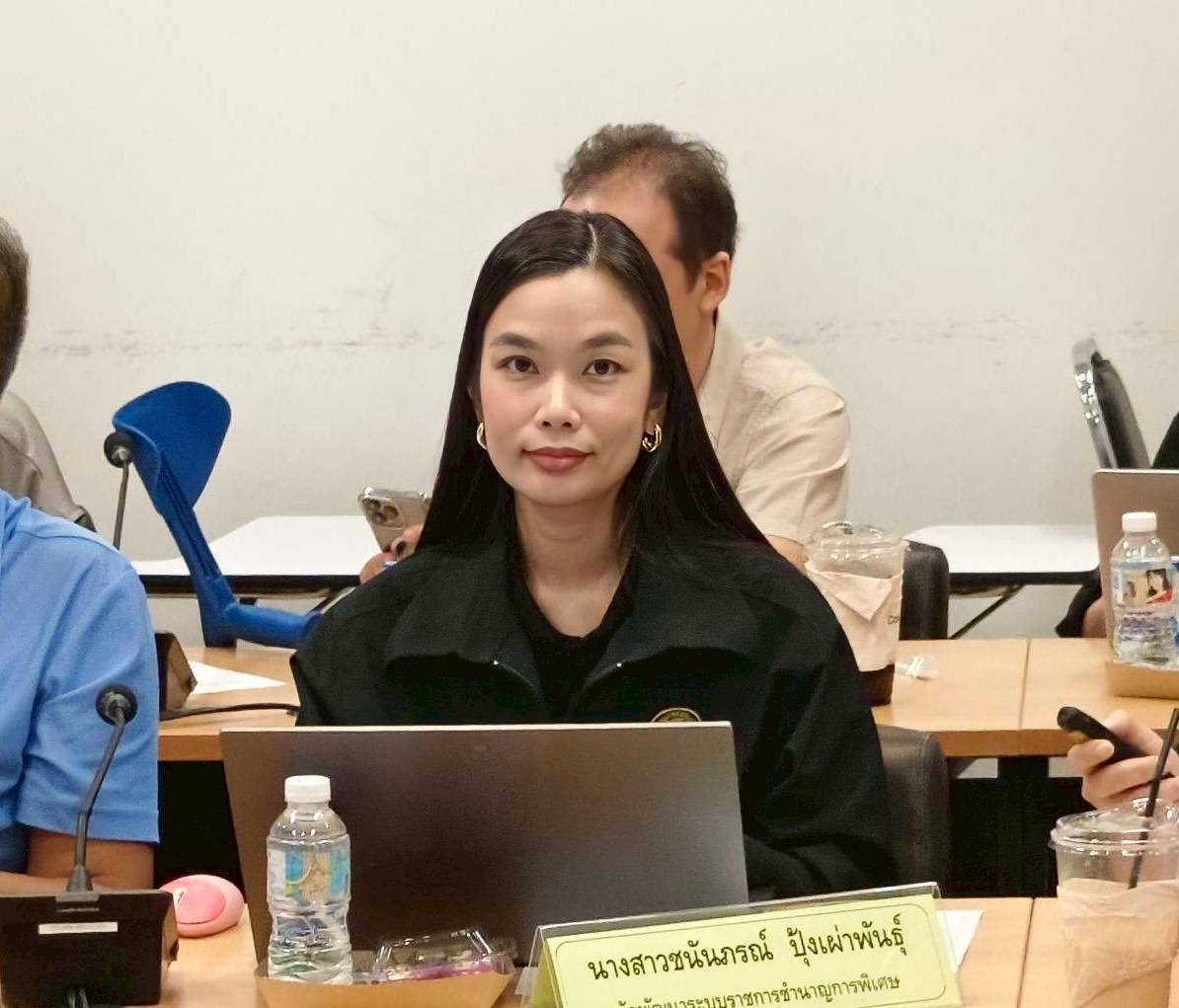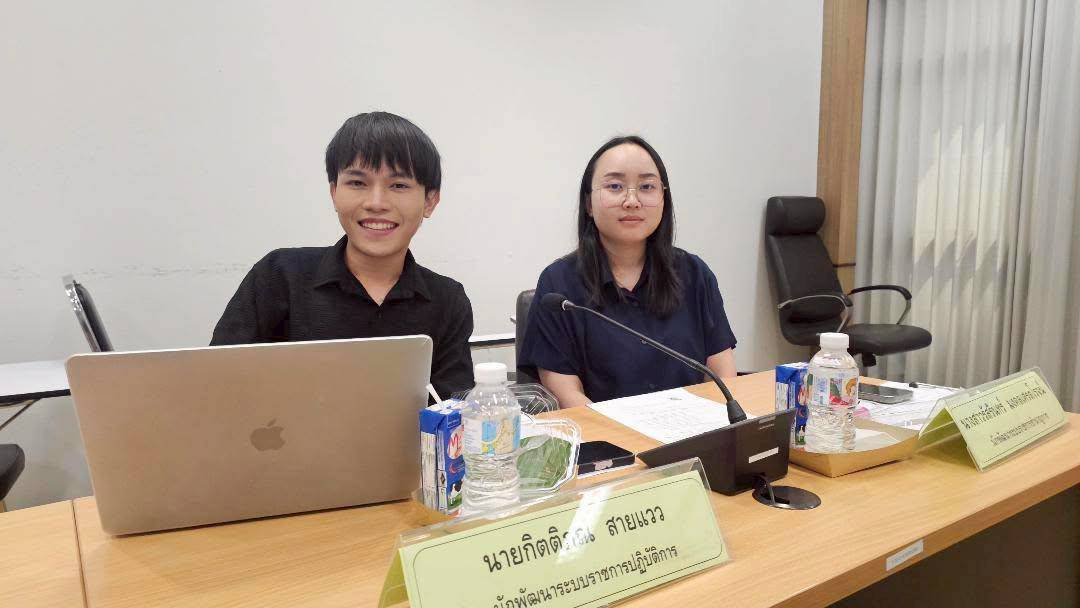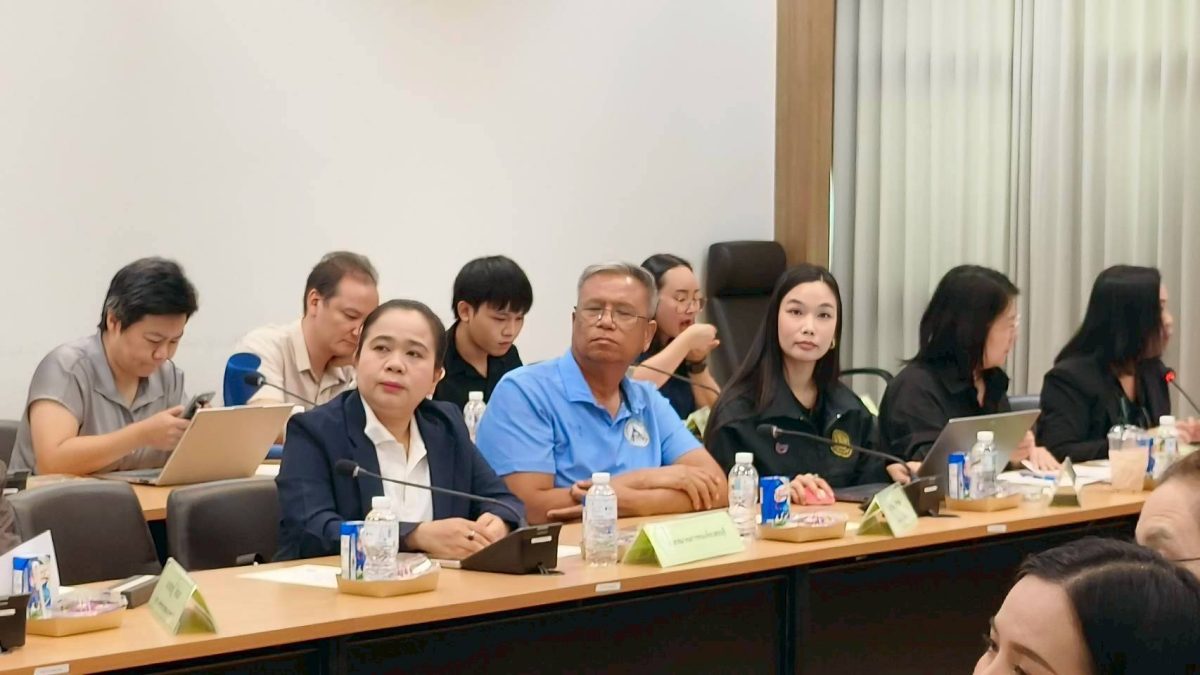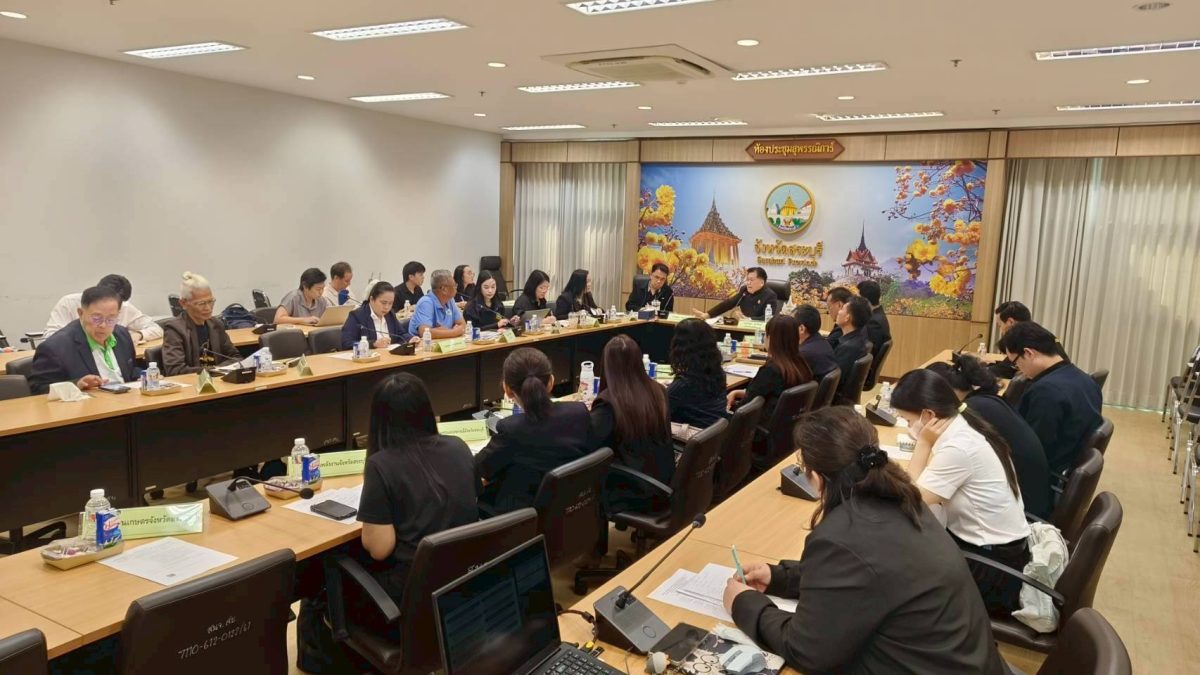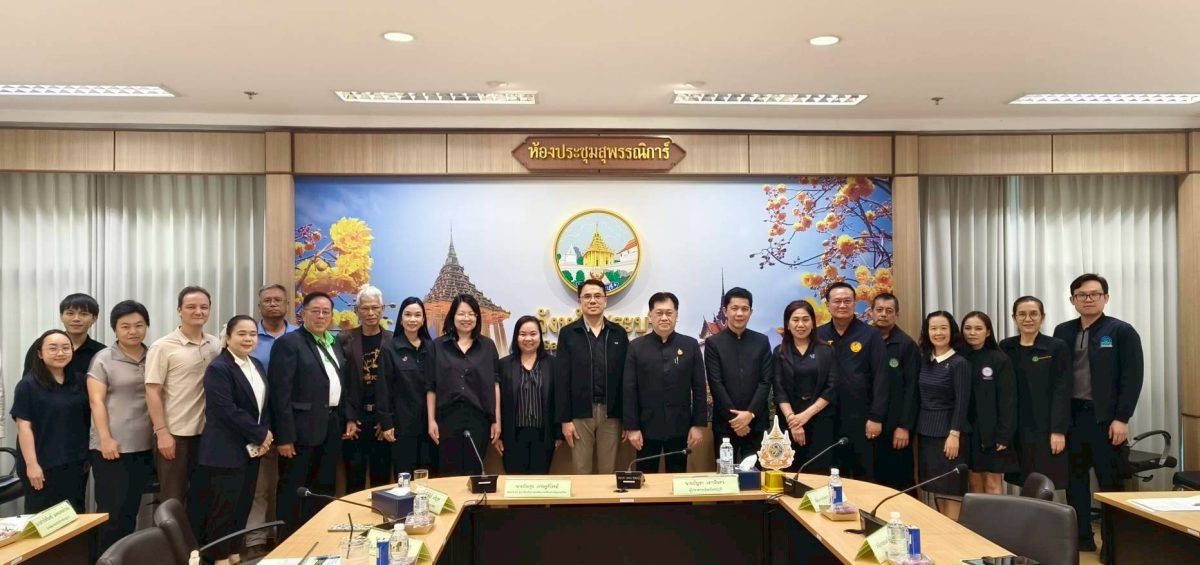
In the morning of 5 March 2026, the Office of the Public Sector Development Commission (OPDC), in collaboration with Saraburi Province, convened a meeting to align the advancement of the Saraburi Low Carbon City with the development of Thailand’s National Action Plan (NAP) under the Open Government Partnership (OGP), as well as the C3Labs project (Collaboration for Complex Challenges: Addressing the Food–Biodiversity–Climate Nexus).
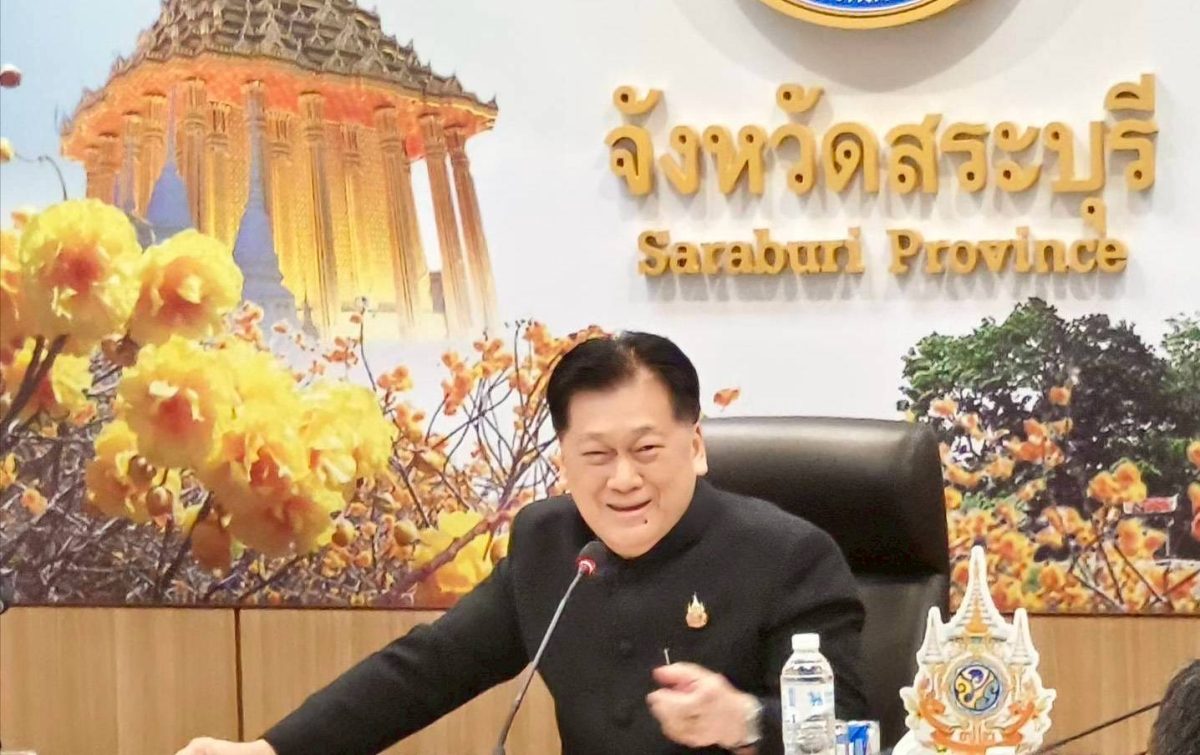
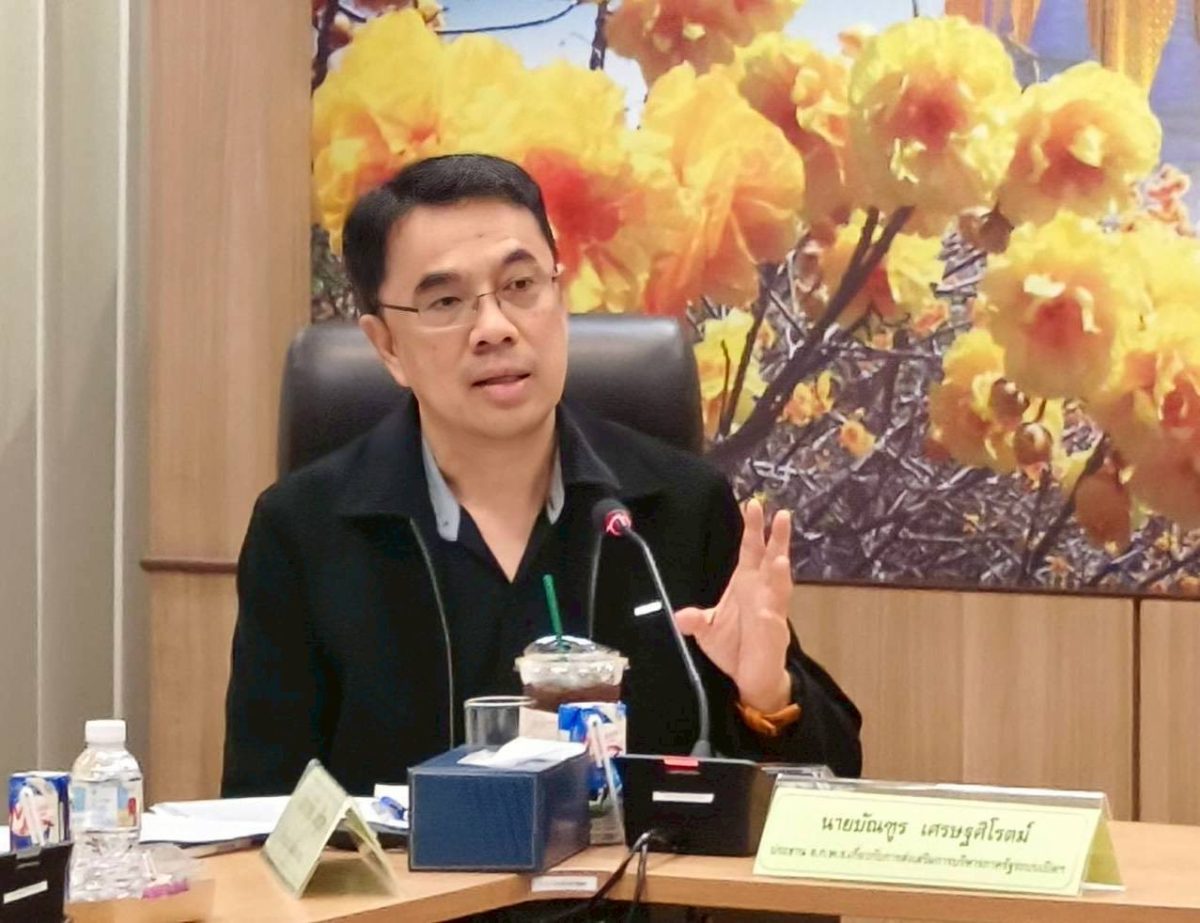
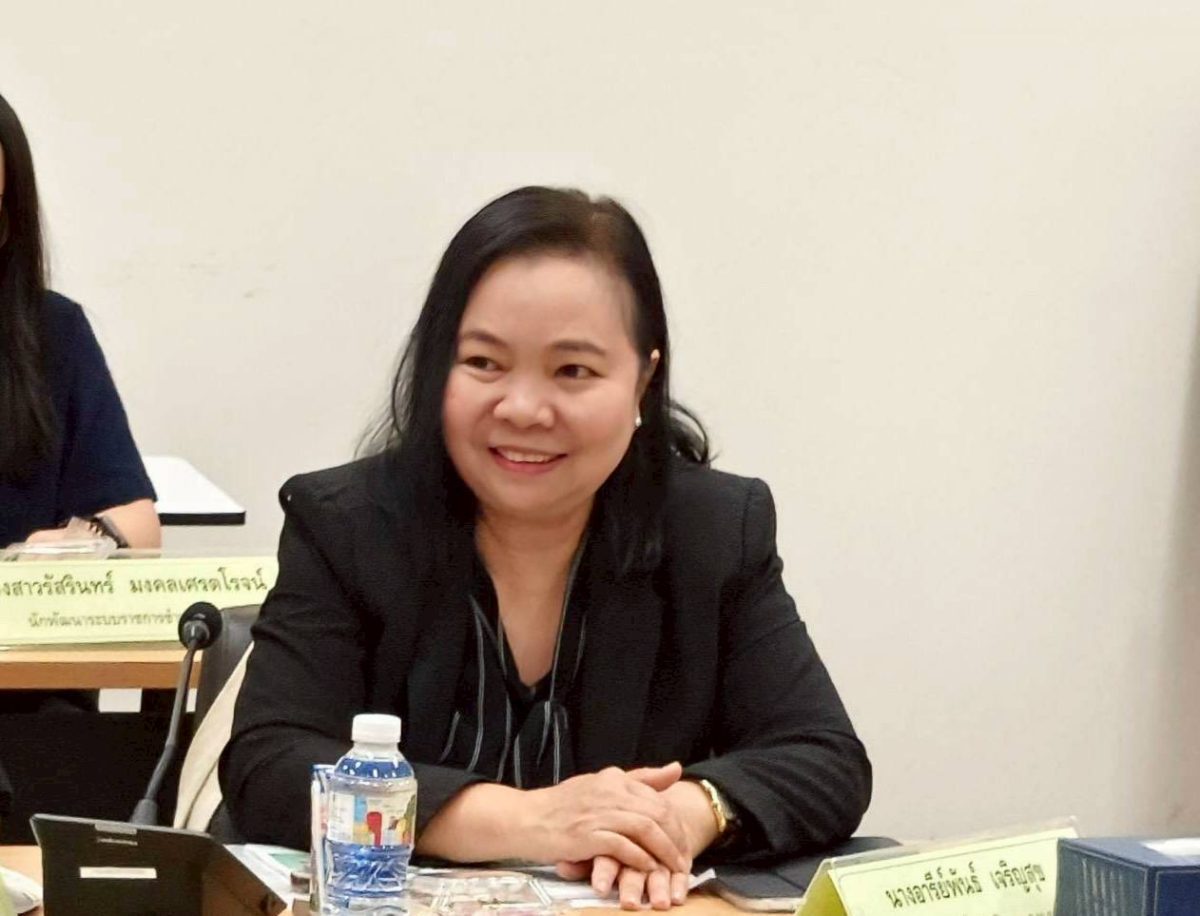
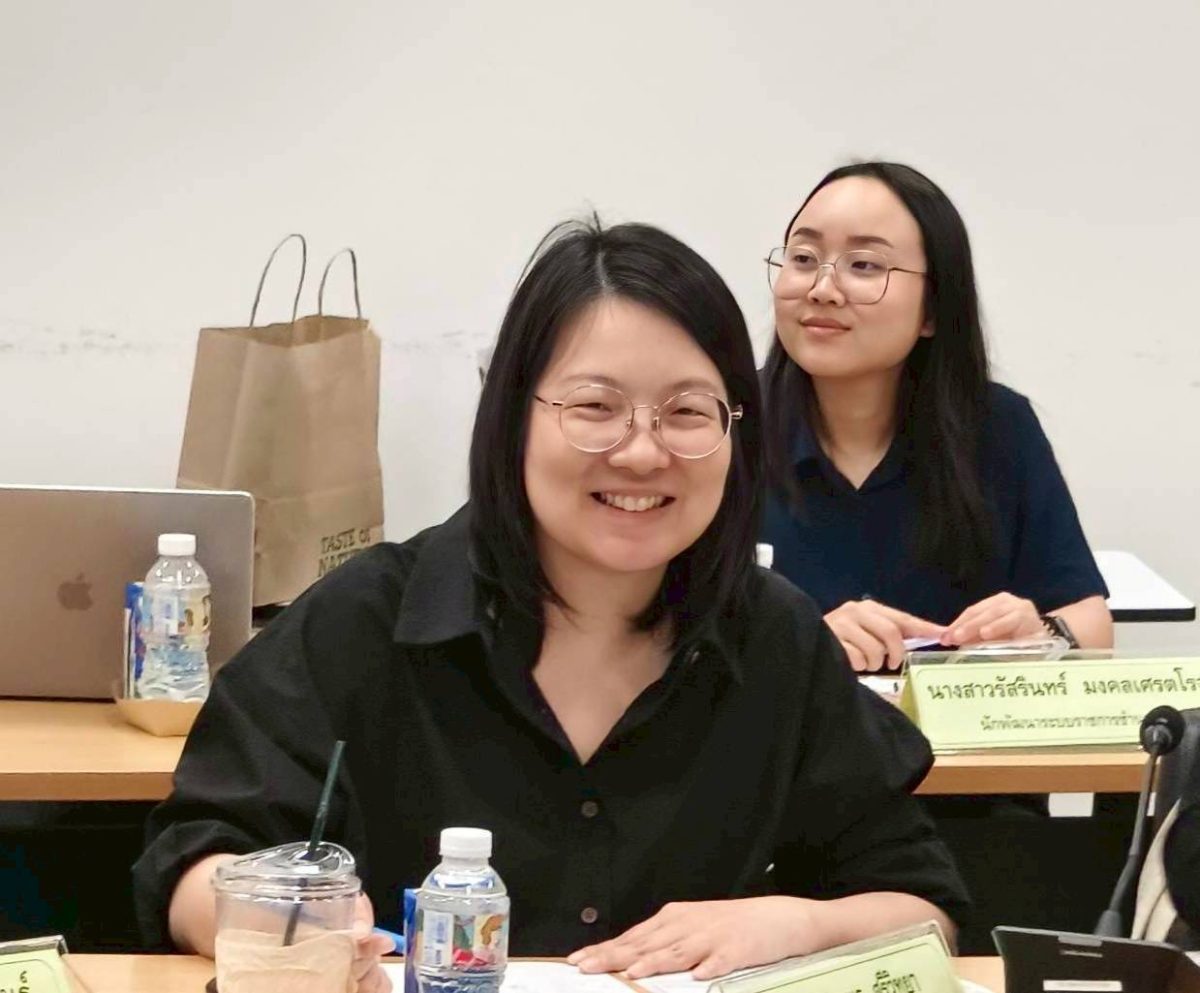
The meeting was chaired by Mr. Buncha Chaowarin, Governor of Saraburi Province, and attended by Mr. Buntoon Srethasirote, Chair of the Subcommittee on Promoting Open Government and Public Participation, Mrs. Areepan Charoensuk, Senior Advisor to OPDC, OPDC officials, Mr. Leo Horn-Phathanothai, and Ms. Yu Yin from BKKCAW) and Just Transitions Incubator, representatives from the Saraburi Low Carbon City steering committee, and stakeholders from the public, private, and civil society sectors.
Key points are summarized as follows:
 Saraburi Province expressed its readiness to participate in the development of the NAP to drive OGP implementation and advance the Saraburi Low Carbon City initiative under the UNDP’s C3Labs project, with the aim of scaling up to the national policy level.
 Saraburi serves as a pilot area for integrating low-carbon city initiatives into the NAP, supported by strong open governance practices. The province has received the Public Sector Excellence Award for the project “Better Quality of Life: No One Left Behind in Saraburi.”
 The province adopts an open governance model with the private sector playing a leading role and the public sector acting as a facilitator. Key private partners such as Thai Beverage, PTT, and SCG contribute resources, support agro-industry development, and promote social enterprises.
 The number of community forests has increased from 38 to 45, demonstrating successful multi-stakeholder collaboration in advancing Climate and Environment priorities.
 Saraburi has expressed its commitment to participate in the UNDP’s C3Labs project on Food, Biodiversity, and Climate, aligning with the province’s development goals and offering potential for scaling up at the national level.
Notable initiatives include collaboration with the Saraburi Provincial Public Health Office on a Food Surplus project to redistribute excess food to vulnerable groups, waste segregation at the household level promoted by the Department of Local Administration, private sector engagement in waste purchasing, and the promotion of electric vehicles in public transport systems.
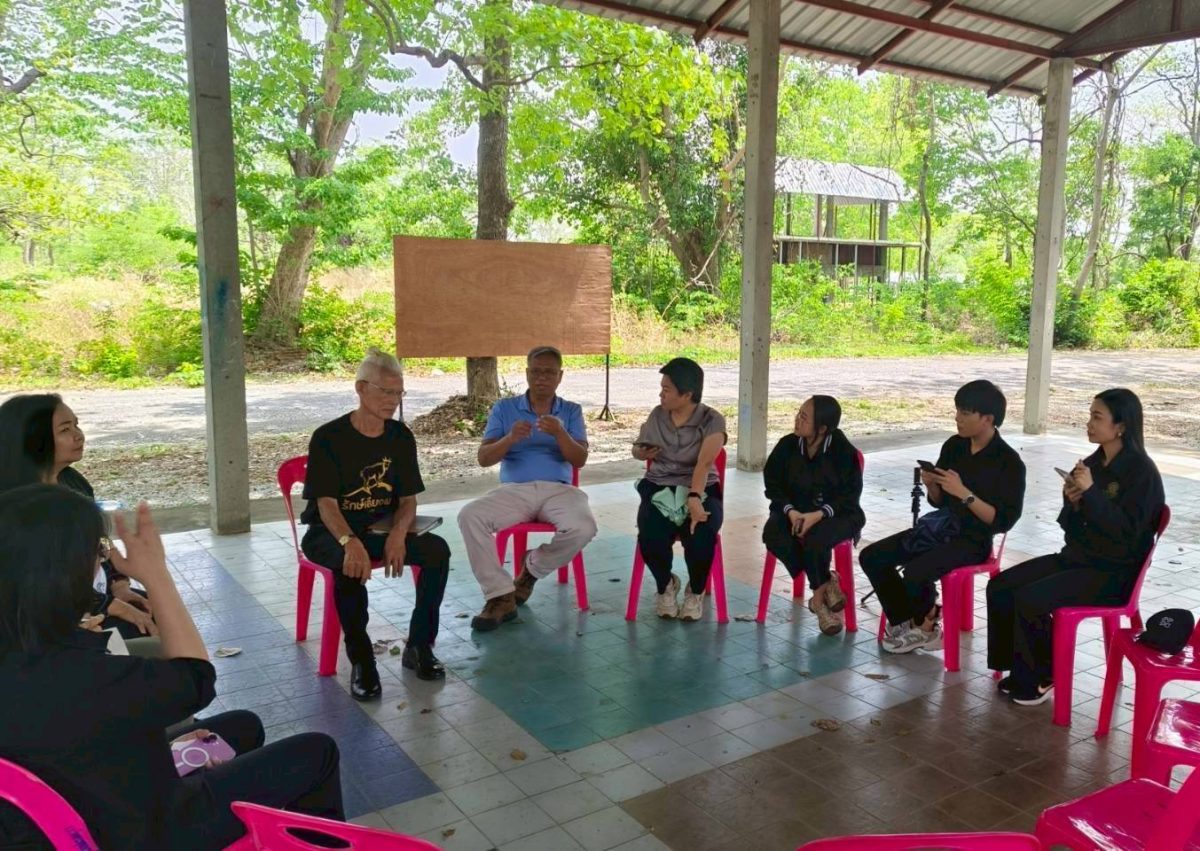
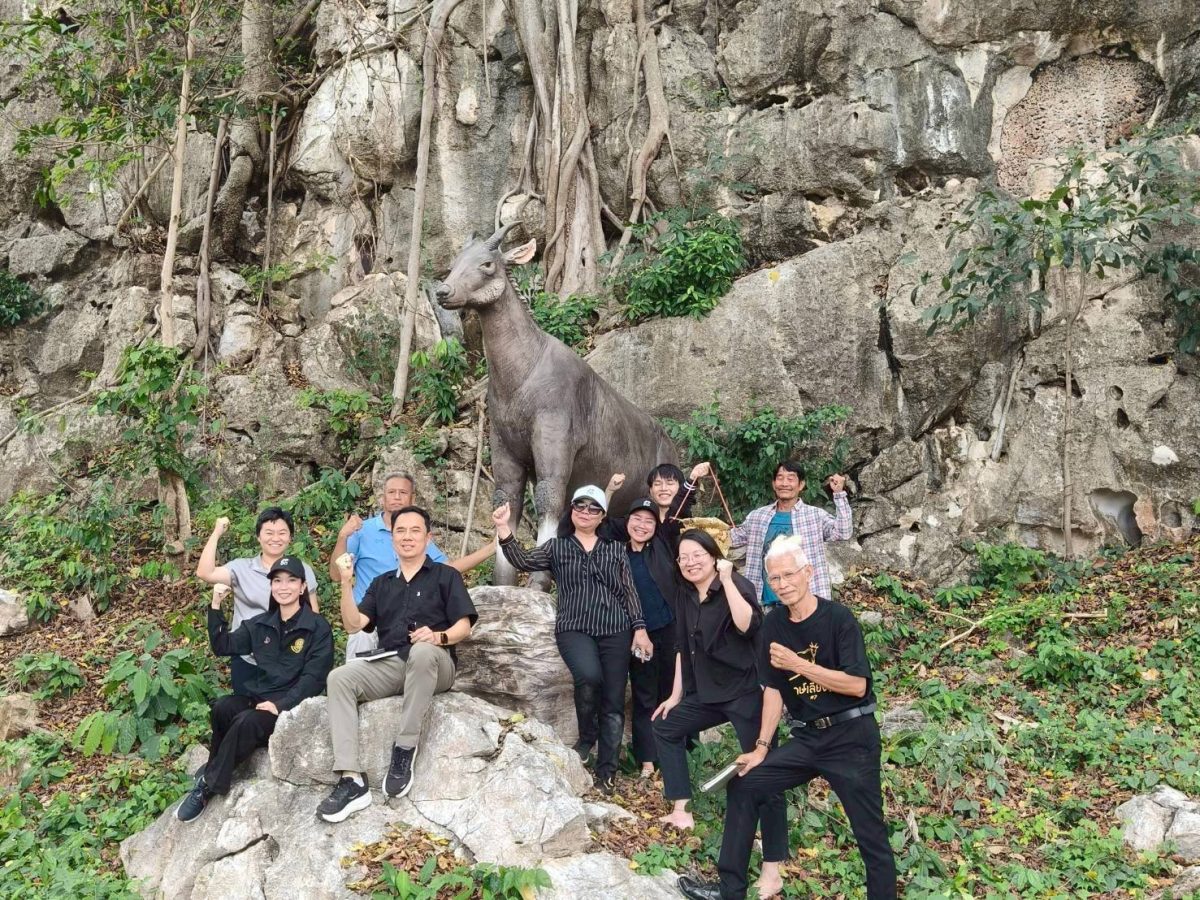
 In the afternoon, OPDC conducted a field visit on climate and environmental issues at Khao Phra Phutthabat Noi Community Forest, Song Khon Subdistrict, Kaeng Khoi District, Saraburi Province. The team was welcomed by Mr. Boonchuay Mala, Village Headman of Moo 4. The forest is rich in biodiversity despite legal constraints. Its sustainability has been maintained through strong community engagement, with local residents actively establishing measures to protect and monitor the forest—serving as a vital safeguard against encroachment and ecosystem degradation.
 Next Steps: OPDC will coordinate and integrate efforts among public agencies, the private sector, civil society, and international organizations to identify roles, resources, and capacities for advancing the Saraburi Low Carbon City. Key provincial priorities will be selected and developed into commitments under Thailand’s NAP within the OGP framework.
#SaraburiLowCarbonCity #OGP#OGPThailand #OGMP #UNDP#C3Labs