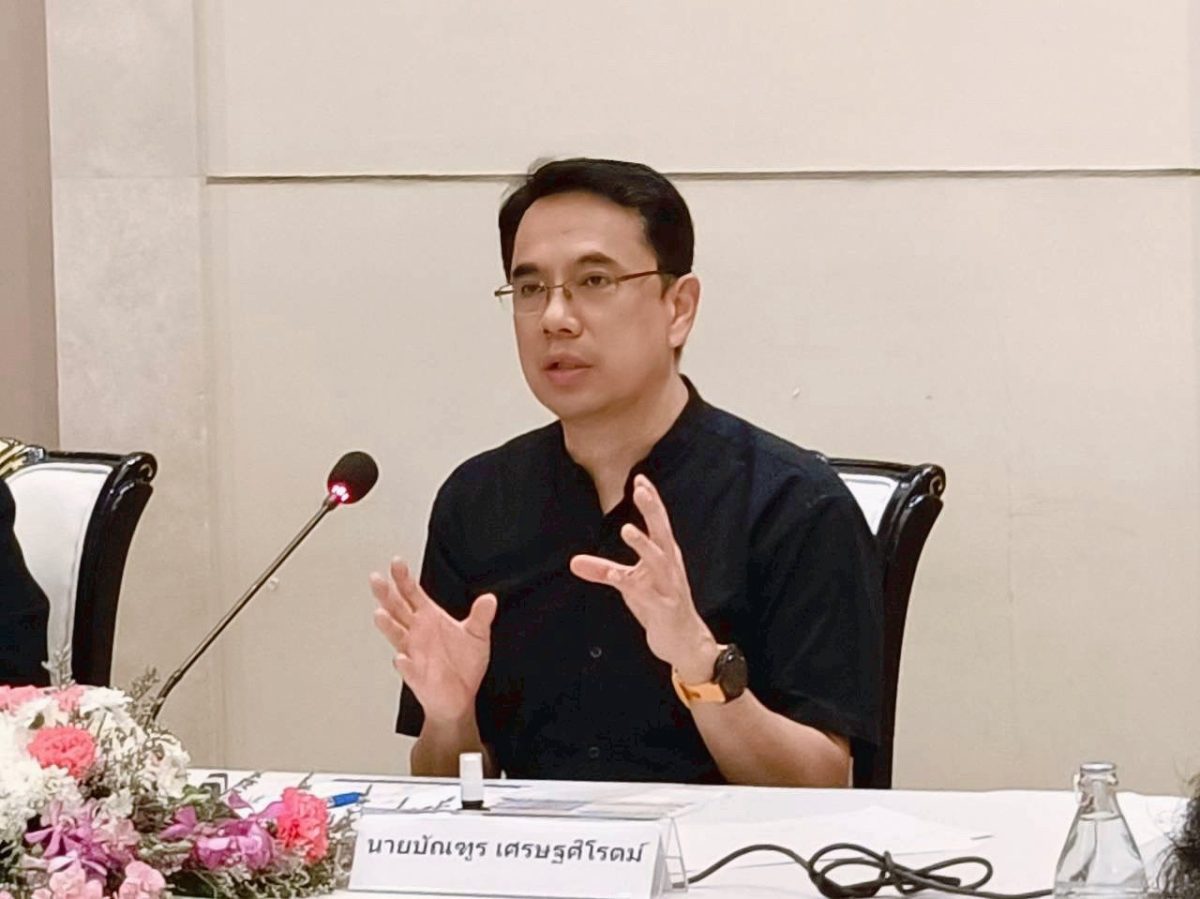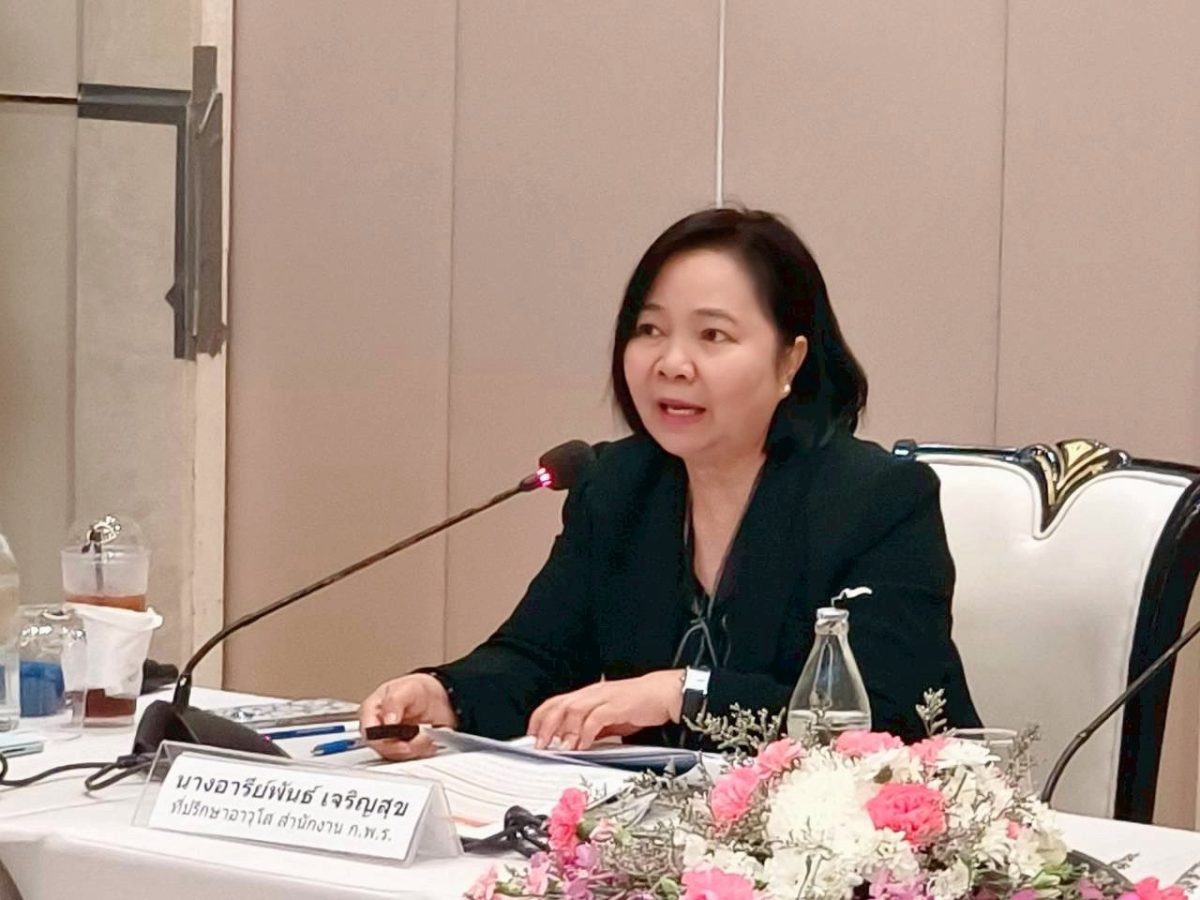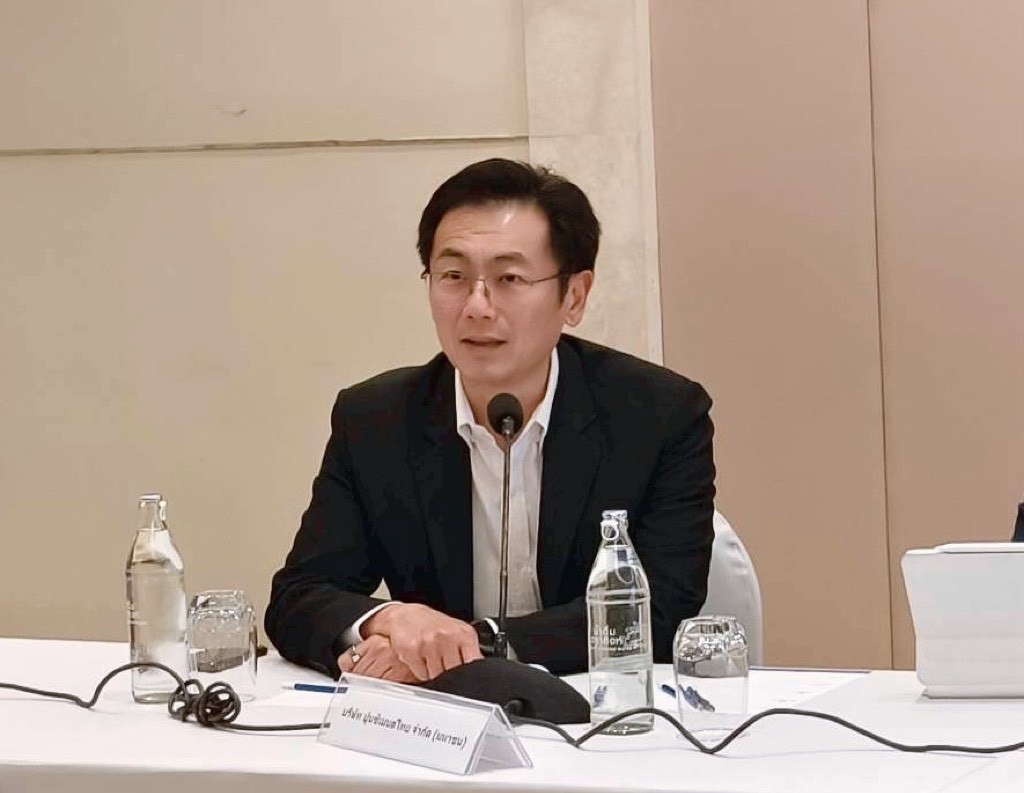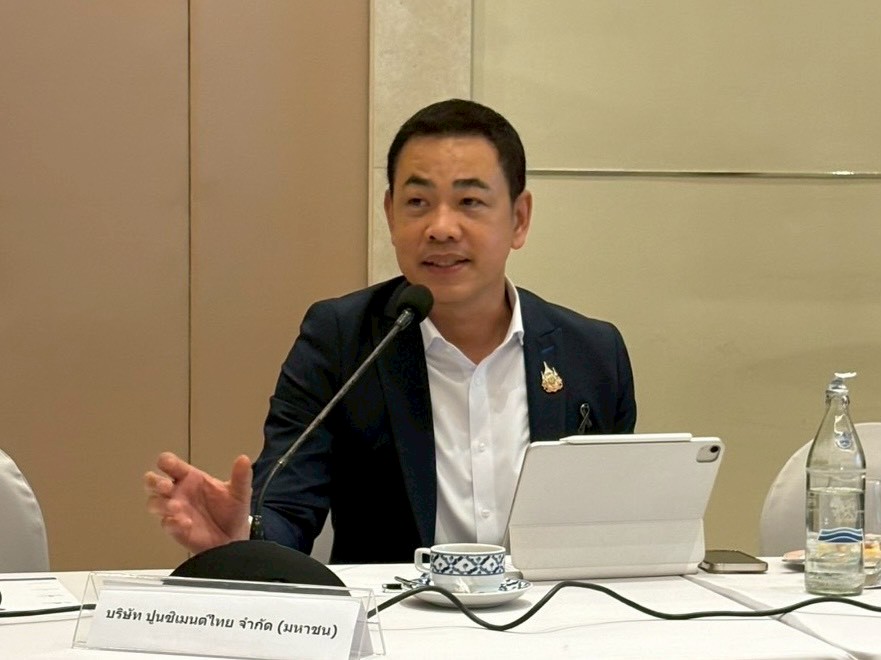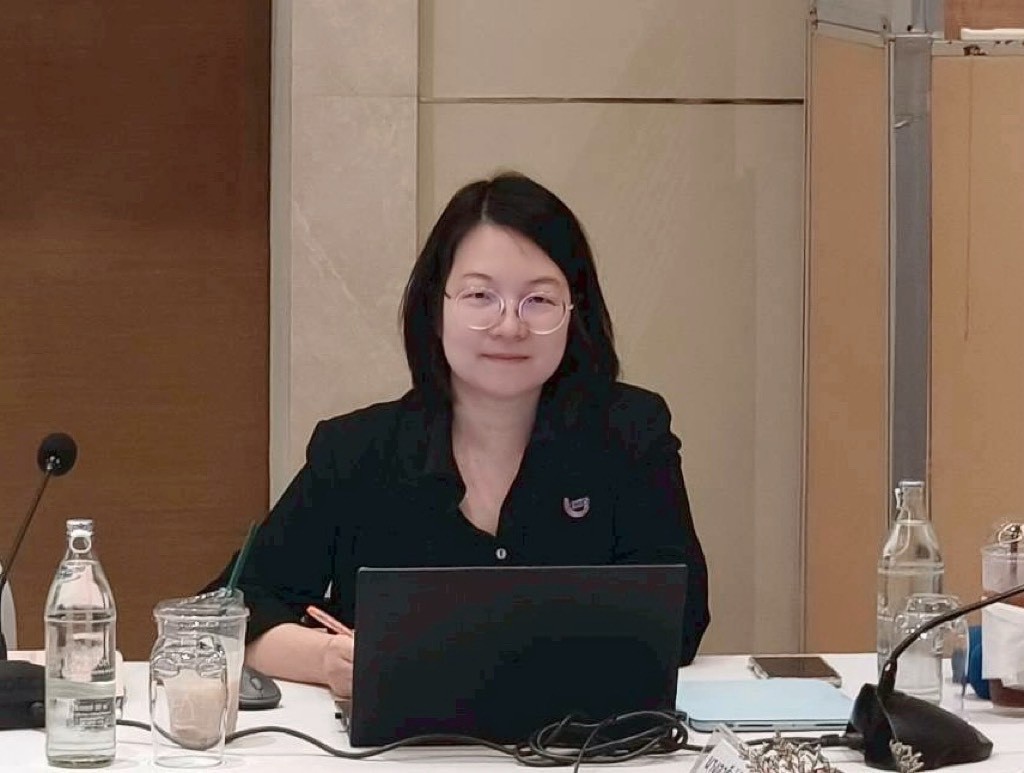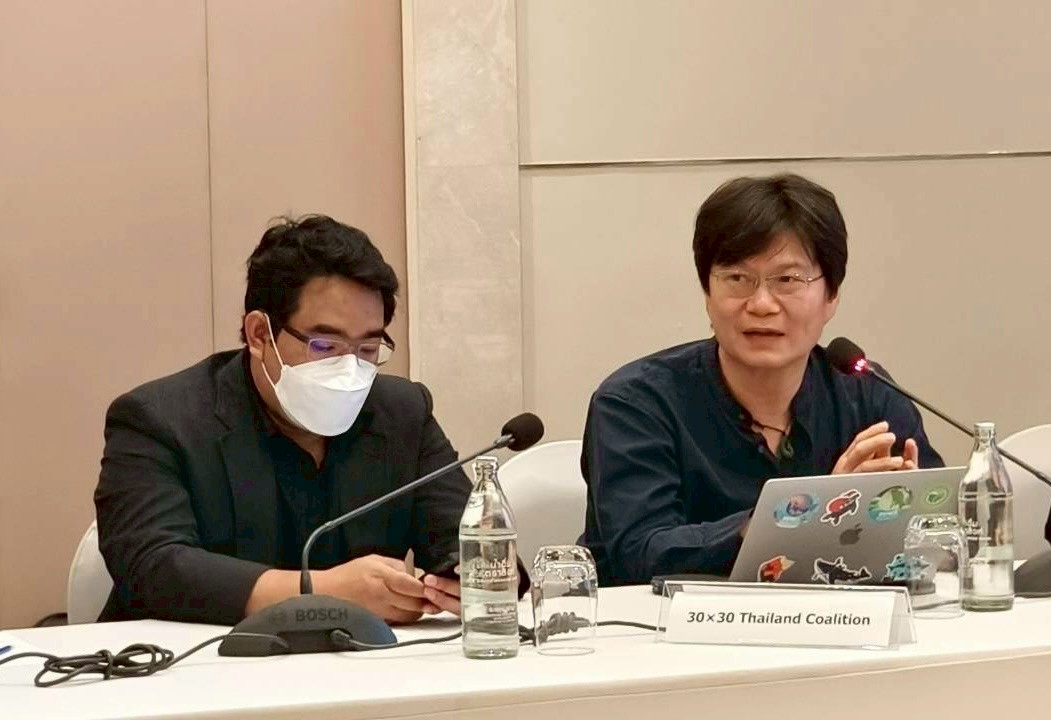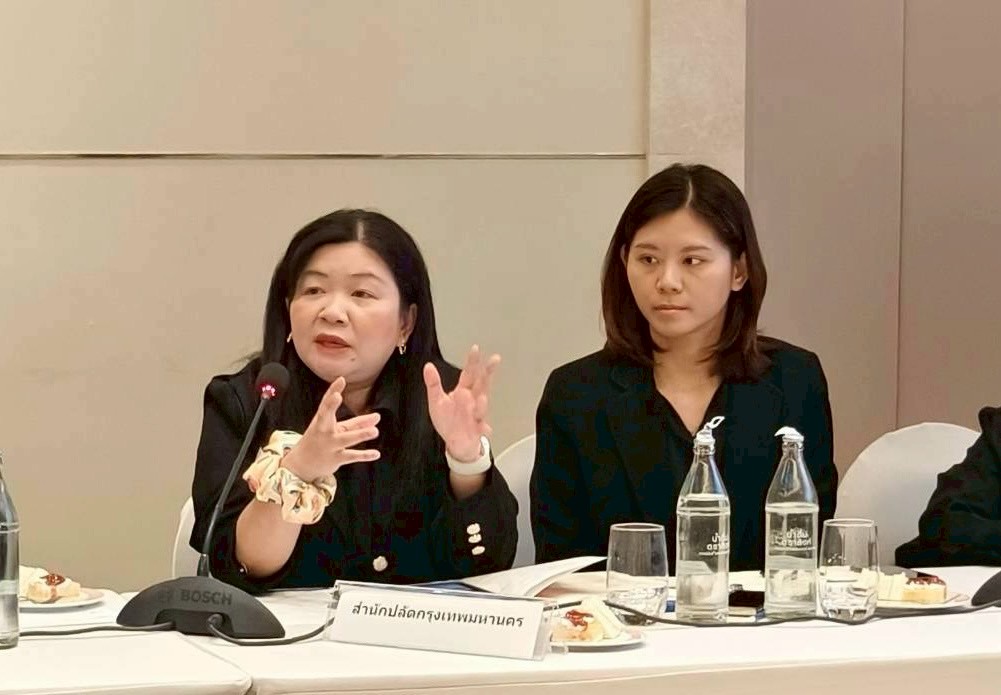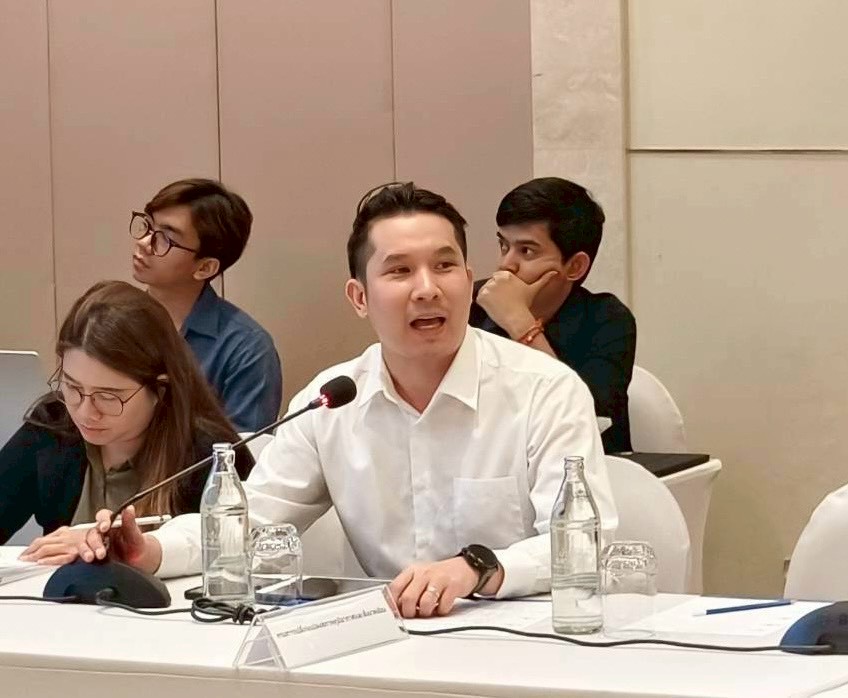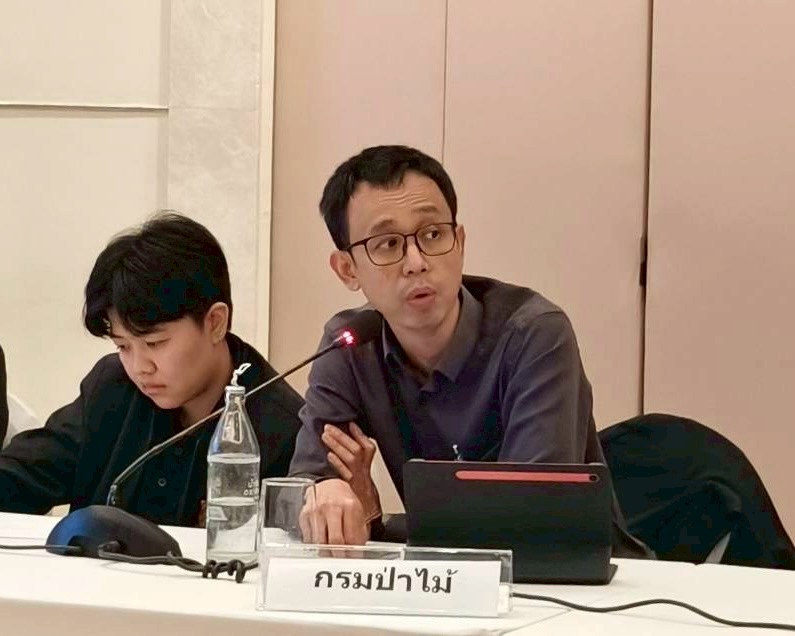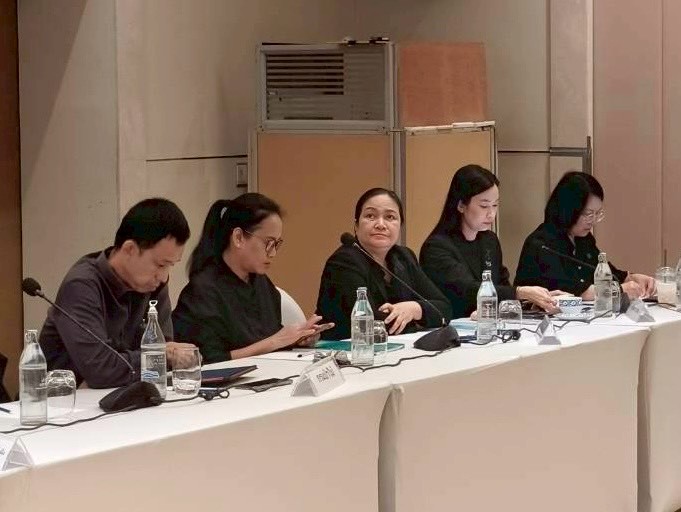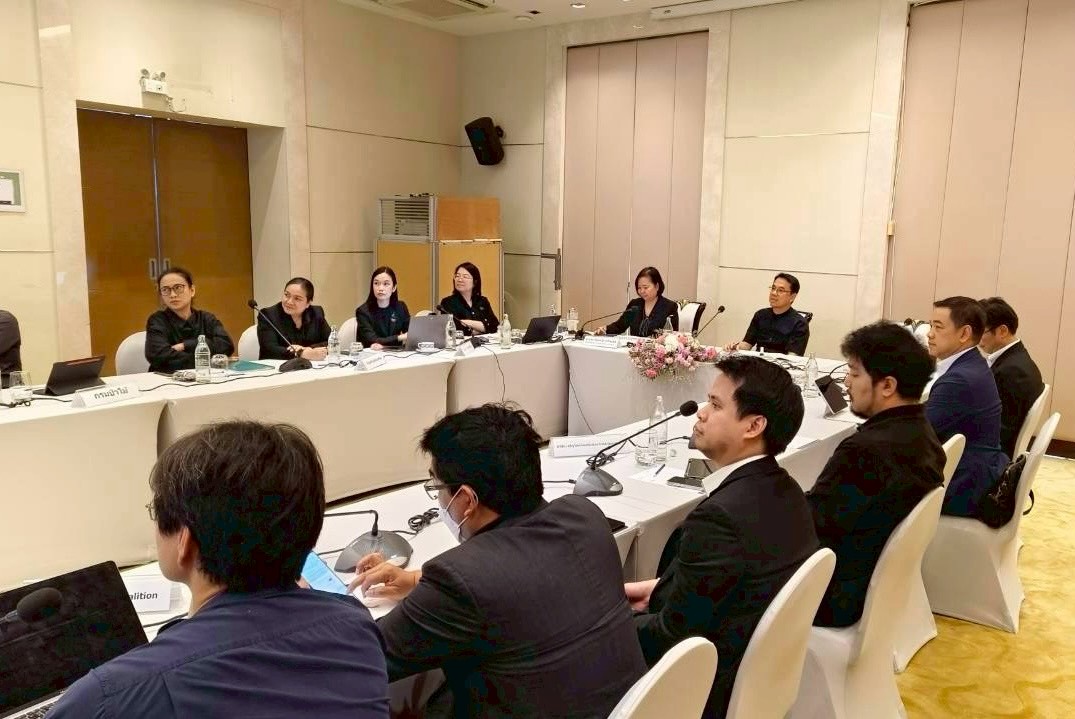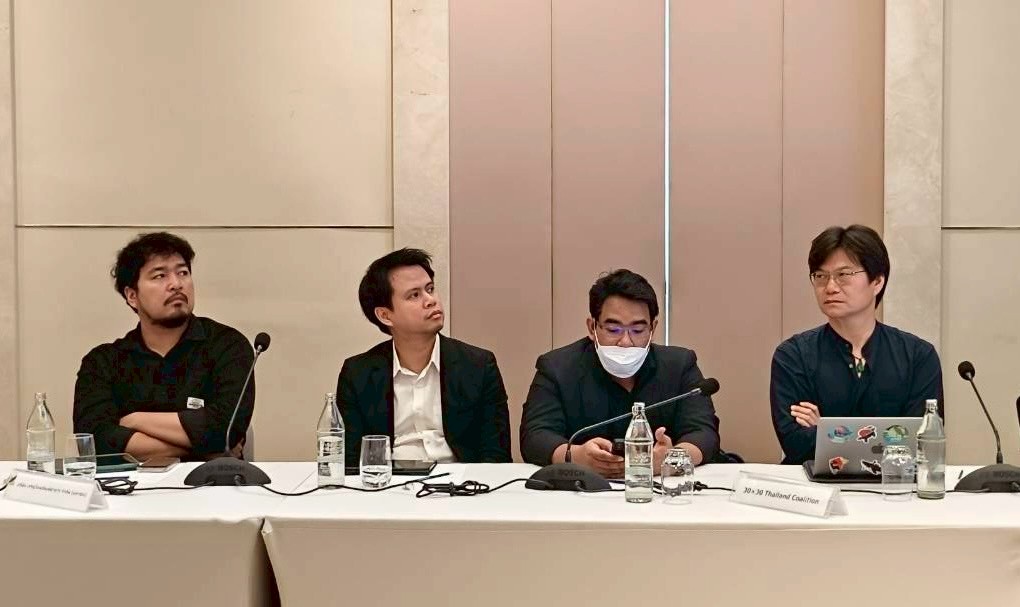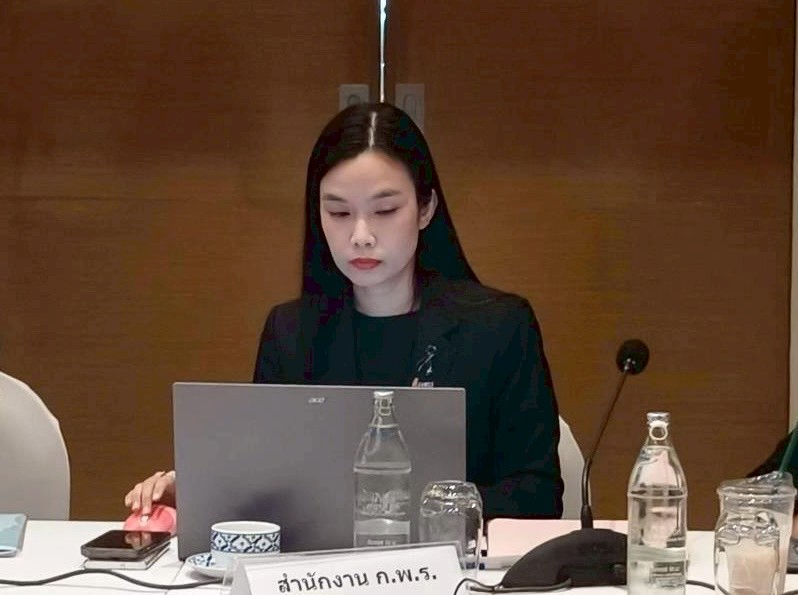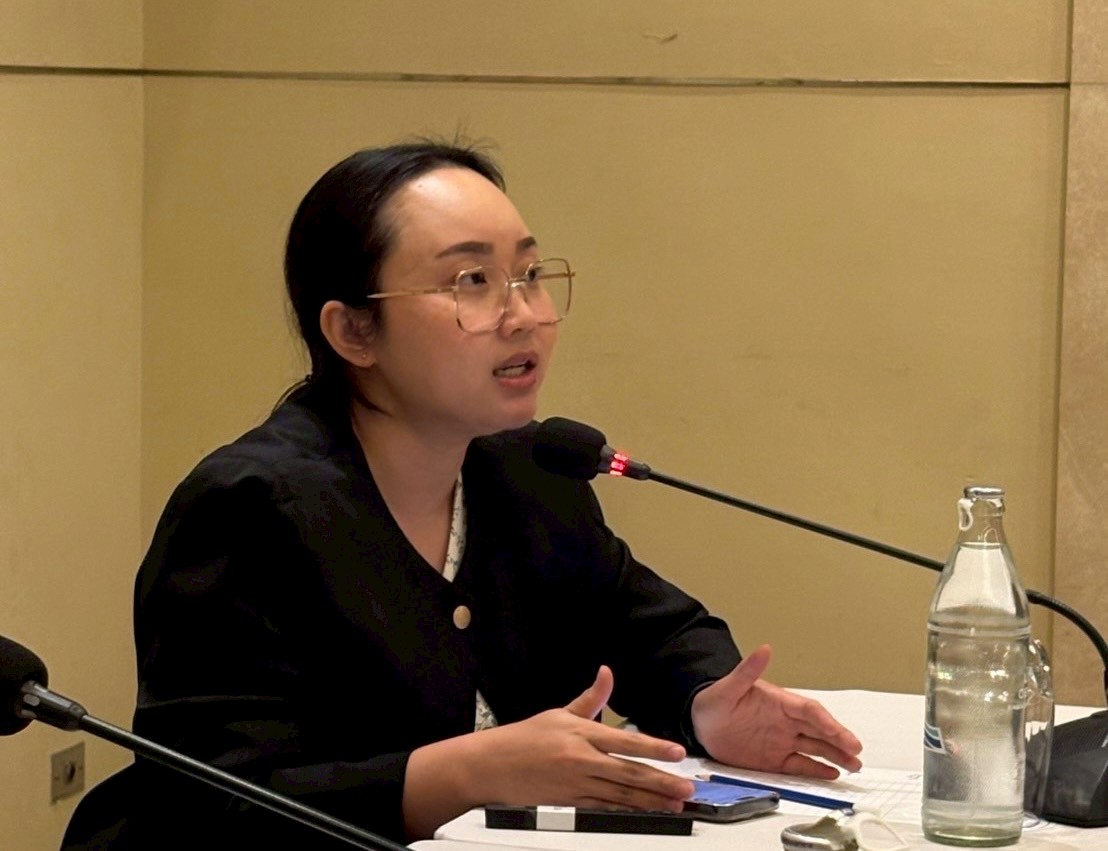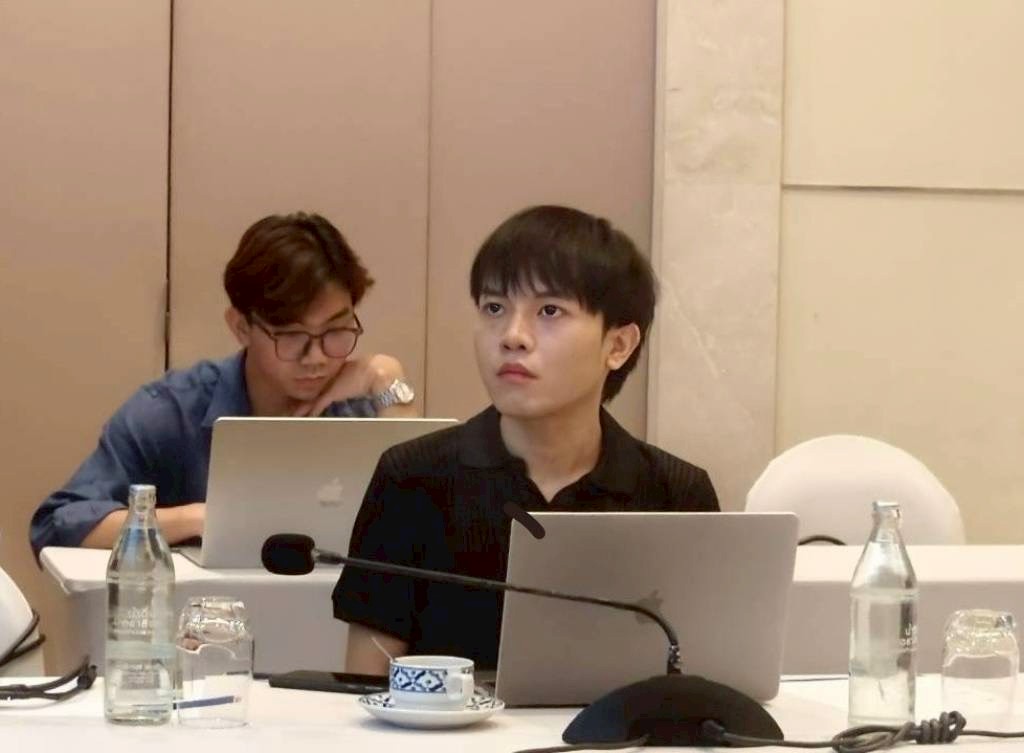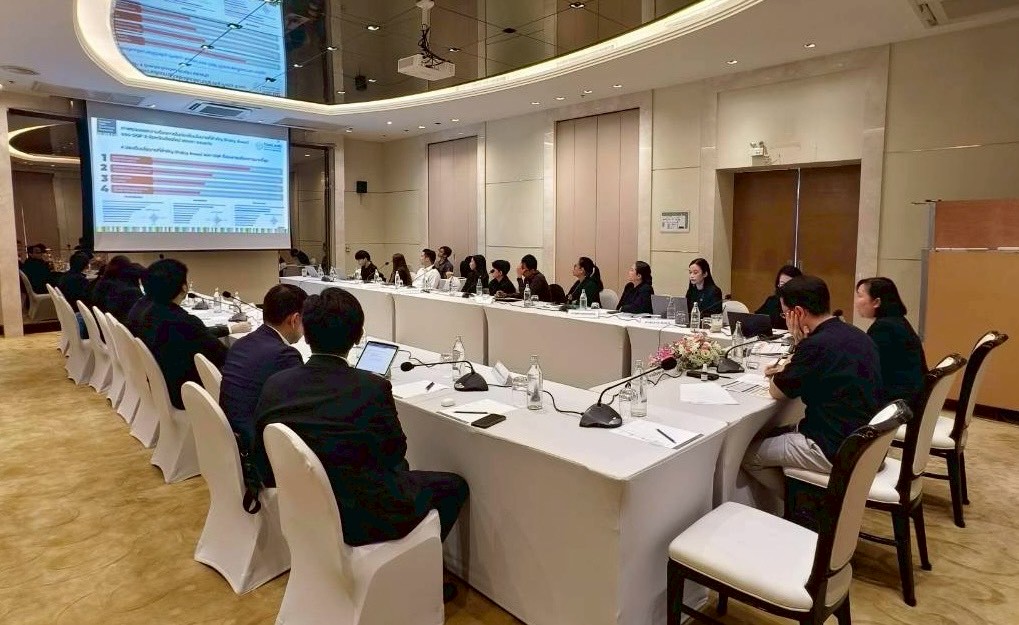
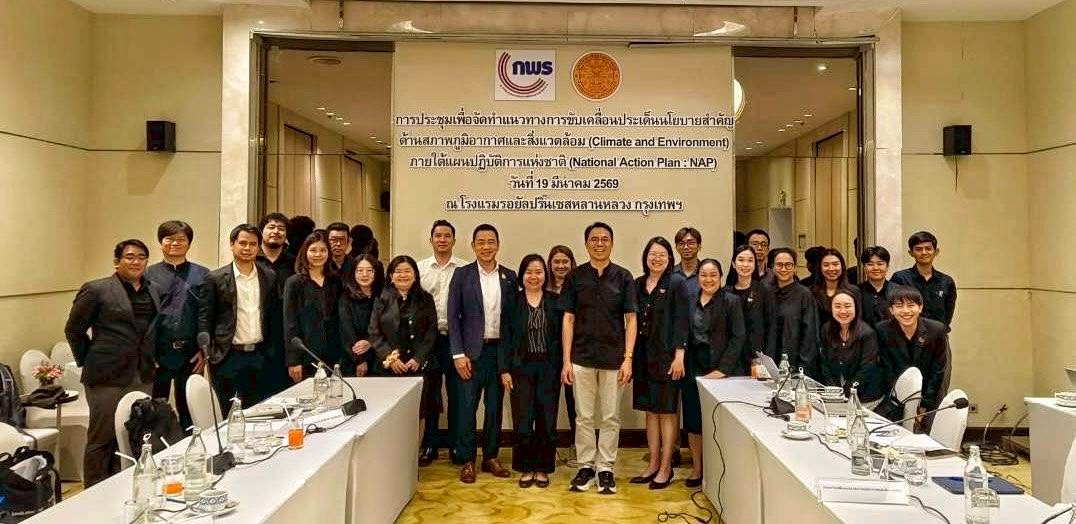
 On 19 March 2026 at 09:30, at Suphamit Meeting Room, 7th Floor, Royal Princess Larn Luang Hotel, Bangkok, the Office of the Public Sector Development Commission (OPDC), led by Mr. Buntoon Srethasirote, Chair of the Subcommittee on Promoting Open Government and Public Participation, together with Mrs. Areepan Charoensuk, Senior Advisor to OPDC, Ms. Kanokporn Sriwitthaya, Public Sector Development Specialist, and OPDC officials, convened a consultation meeting with representatives from relevant public agencies, private sector, and civil society organizations. Participating organizations included the Pollution Control Department, the Department of Marine and Coastal Resources, the Bangkok Metropolitan Administration, the 30×30 Thailand Coalition, Siam Cement Public Company Limited, and Charoen Pokphand Foods Public Company Limited.
The meeting aimed to exchange views and explore approaches to driving initiatives under the Climate and Environment policy area as part of Thailand’s National Action Plan (NAP) under the Open Government Partnership (OGP). Key areas discussed included climate change, natural resources, climate adaptation, PM2.5 air pollution, and biodiversity. The key takeaways are summarized as follows:
1. Saraburi Province
 Saraburi is advancing a Low Carbon City model alongside climate adaptation efforts. Key measures include integrated waste management—such as waste-to-energy conversion and waste separation to reduce methane emissions—as well as the development of a demand-supply matching system across sectors.
The province is also promoting open data and area-based risk mapping to address water-related risks and enhance agricultural productivity, while leveraging limestone ecosystem biodiversity for eco-tourism and sustainable development.
Community forest restoration is being supported through PES mechanisms and mentorship systems, linking climate, biodiversity, and food security while generating local income, with emphasis on ecosystem services and scalability.
2. Bangkok Metropolitan Administration (BMA)
Bangkok is driving comprehensive climate action covering both mitigation and adaptation. Initiatives include the development of a Climate Risk Index, expansion of green spaces, and measures to address urban heat and flooding.
PM2.5 management is being integrated through source control, digital communication platforms such as AirBKK and LINE, and collaboration with the private sector and surrounding provinces.
The city is also promoting urban biodiversity through the Bangkok Biodiversity Map and public participation, alongside the development of climate scenarios to support decision-making for agencies and citizens.
3. Chiang Mai Province
Chiang Mai is developing climate finance mechanisms and tools such as carbon credits to incentivize conservation and economic tree planting, through collaboration across sectors.
Efforts to address PM2.5 and forest fires emphasize community participation, alternative livelihoods, and value-added use of agricultural waste.
The province is also focusing on establishing centralized data systems and matching platforms to connect stakeholders, as well as mapping and tracking biodiversity outcomes.
4. Phang Nga Bay
Phang Nga Bay is advancing climate adaptation in coastal areas through Marine Spatial Planning, alongside promoting the Blue Economy and nature-positive tourism.
Marine waste management and protected area governance are being strengthened through community participation and stakeholder analysis.
Tools such as sustainability-linked bonds and open data are being utilized to enable public monitoring of resource status, with the Ocean Health Index serving as a key performance mechanism.
 Next Step: OPDC will incorporate inputs from this consultation into the development of Thailand’s National Action Plan (NAP) on Climate and Environment under the OGP framework.อไป