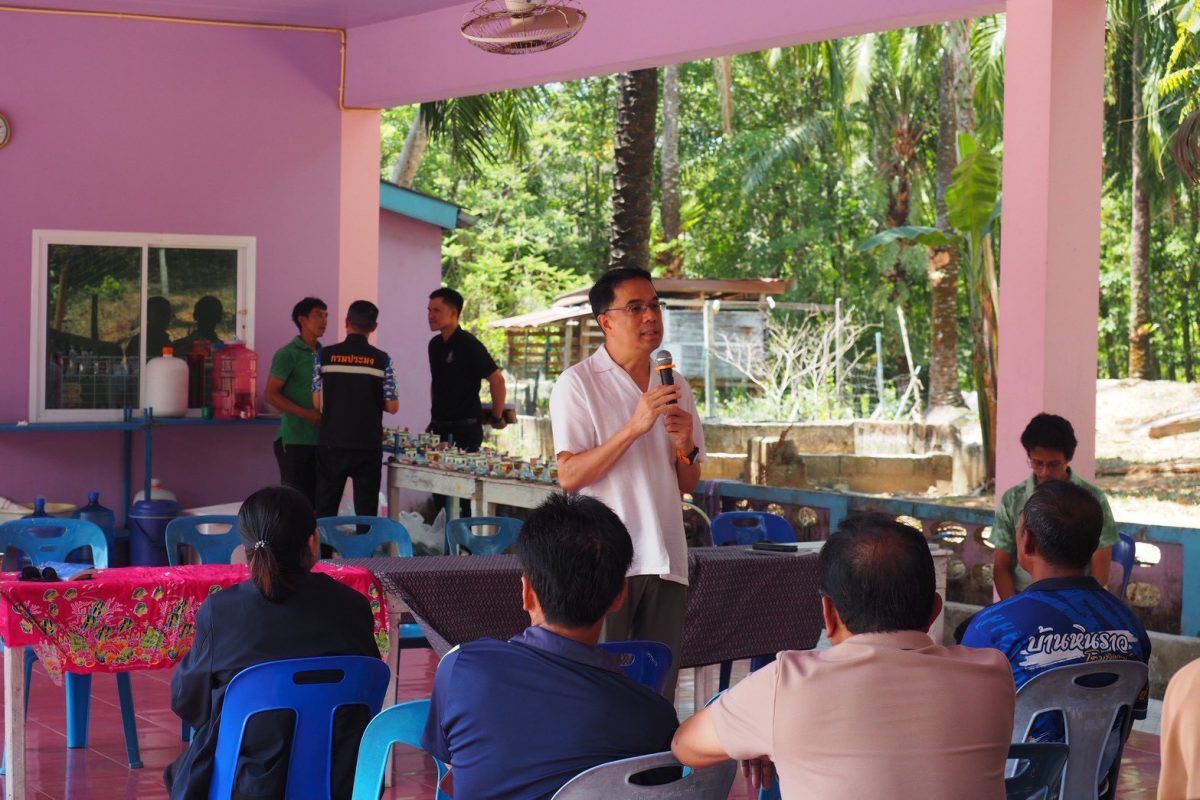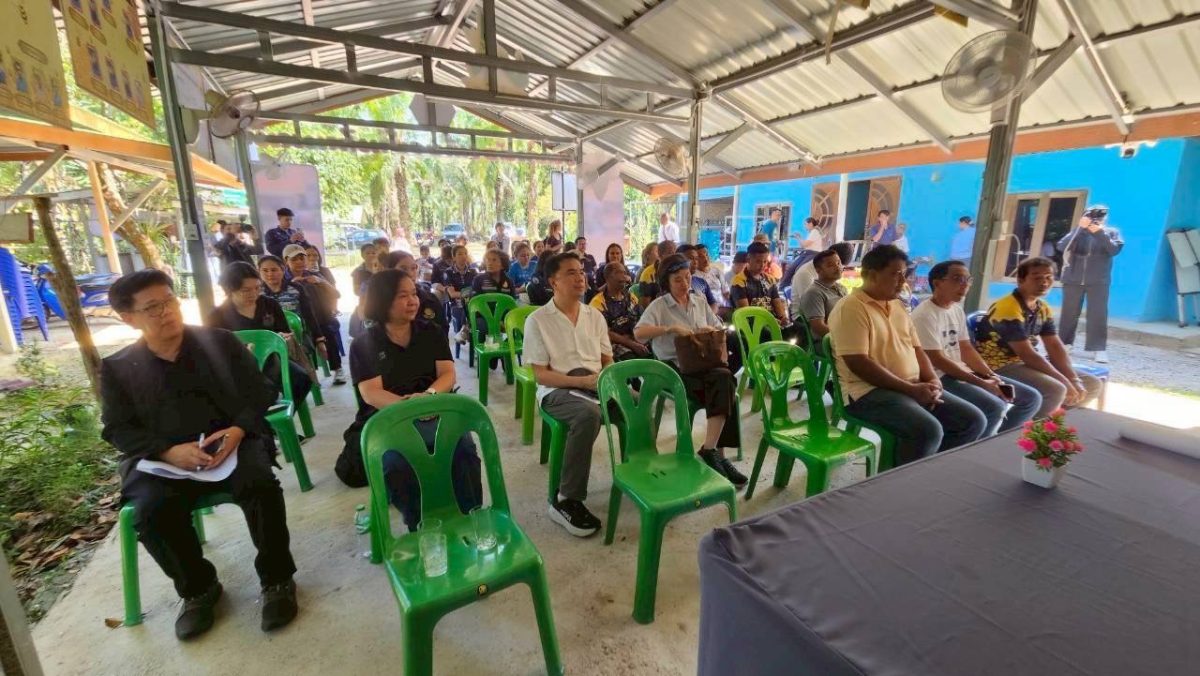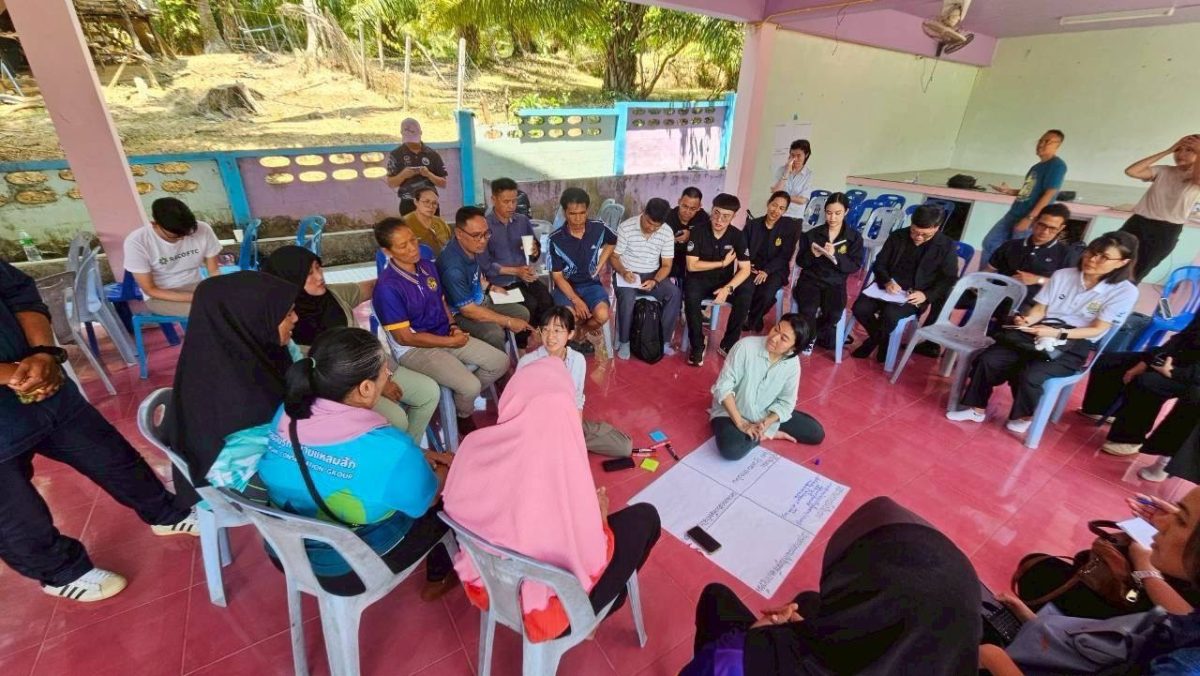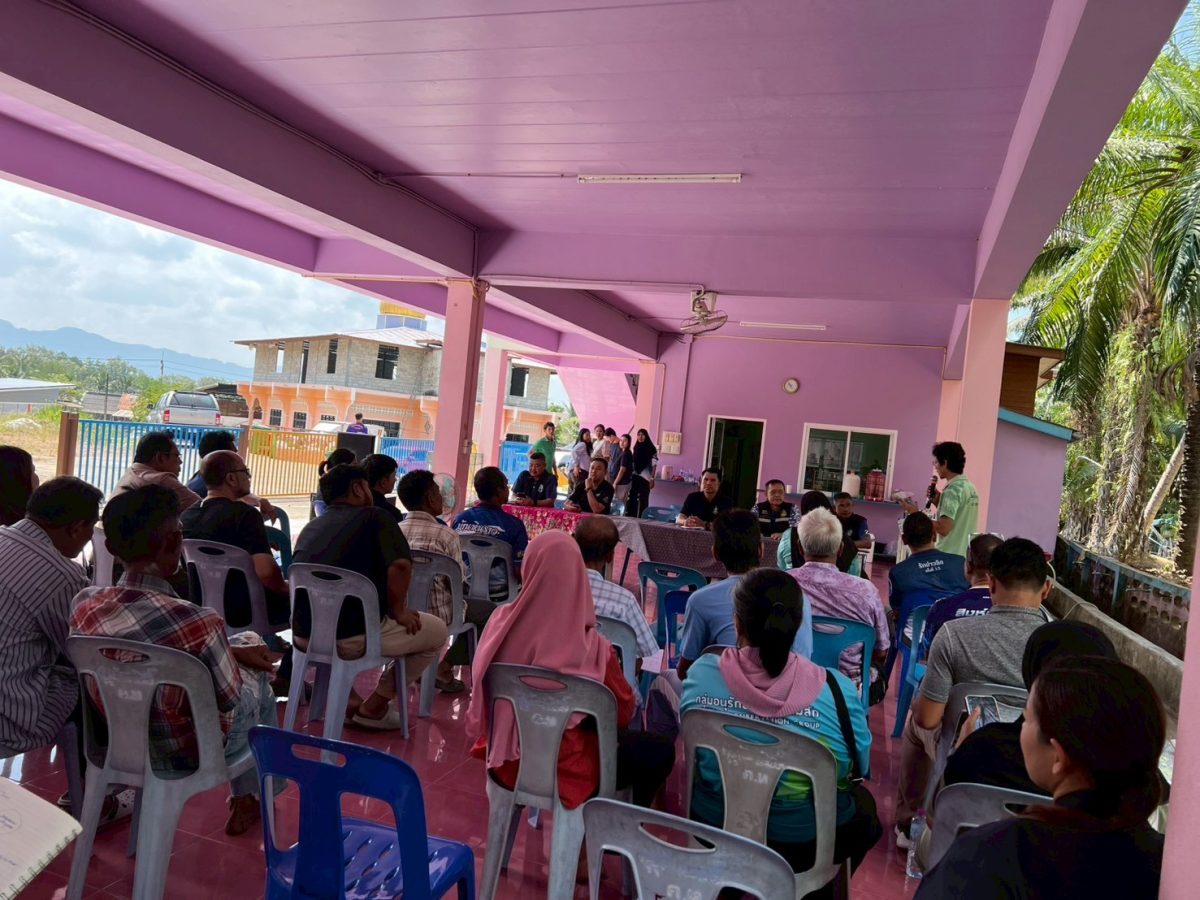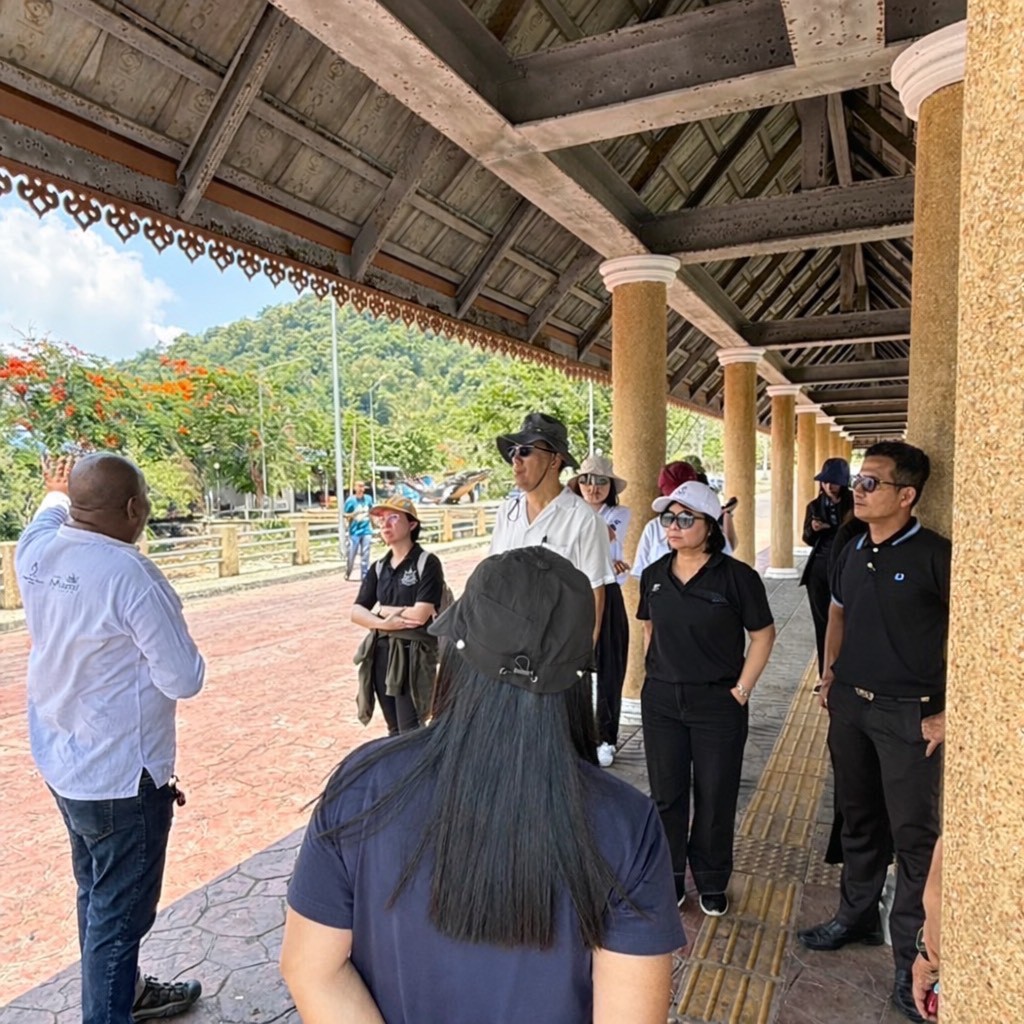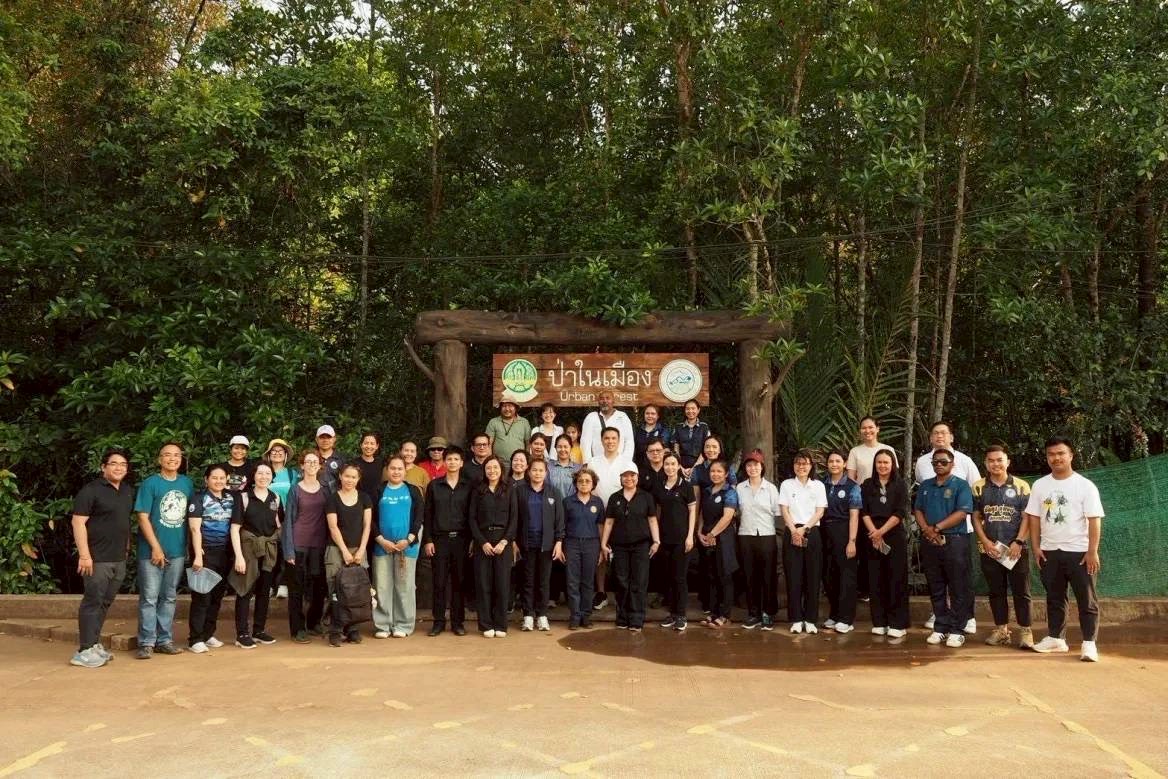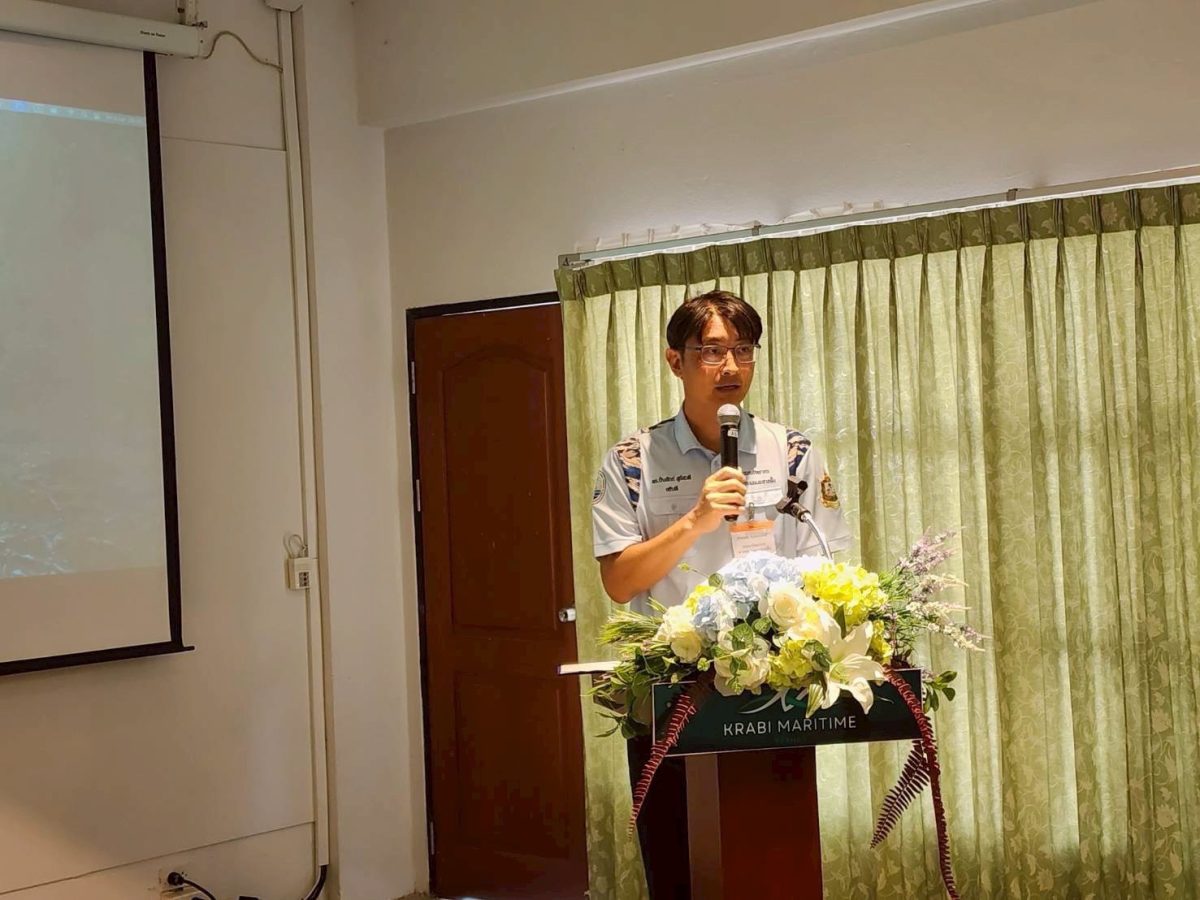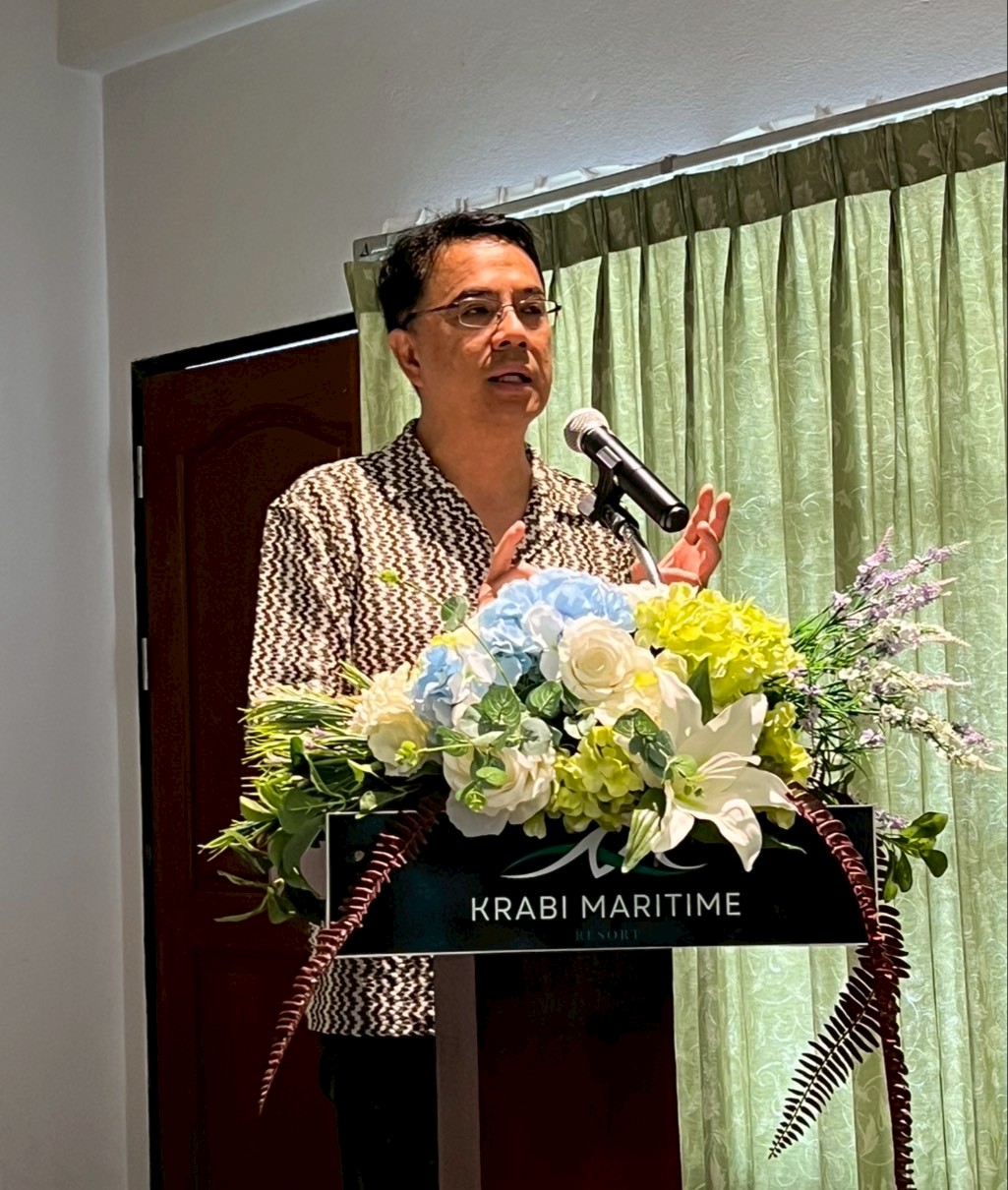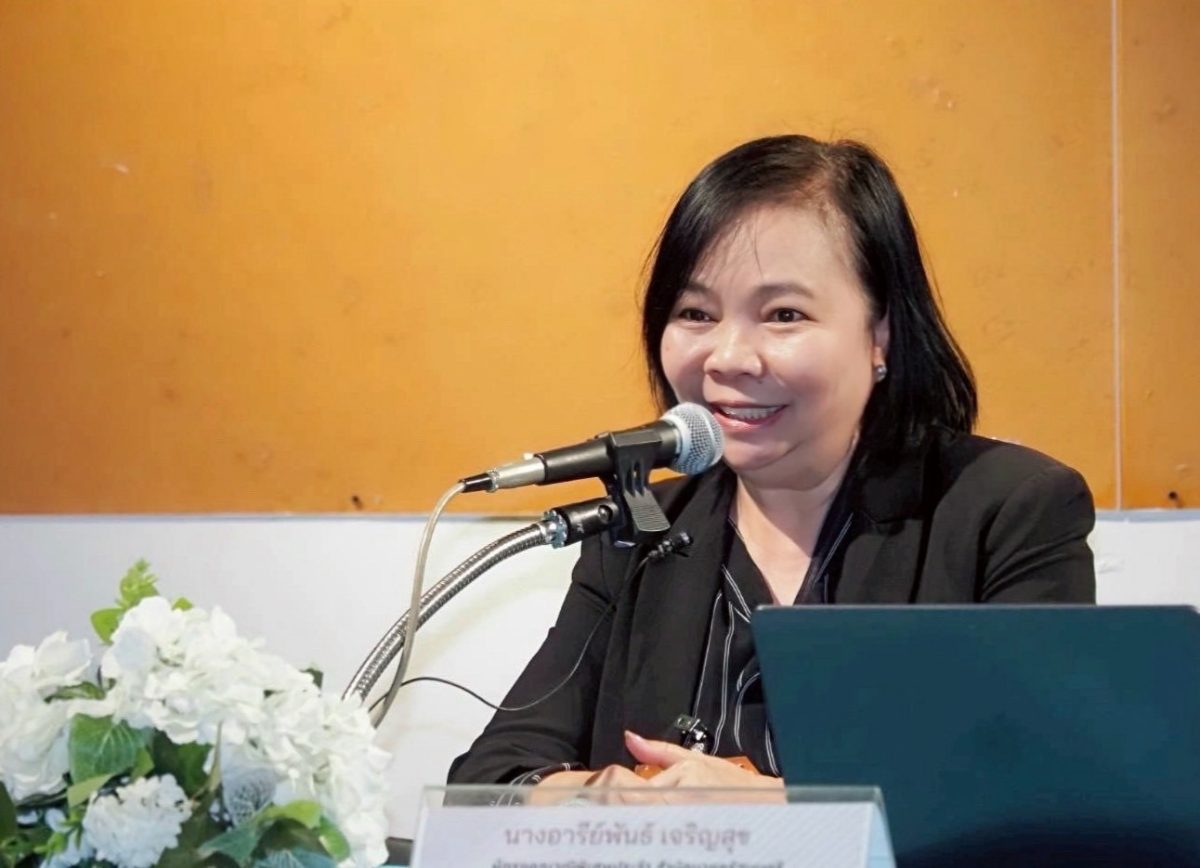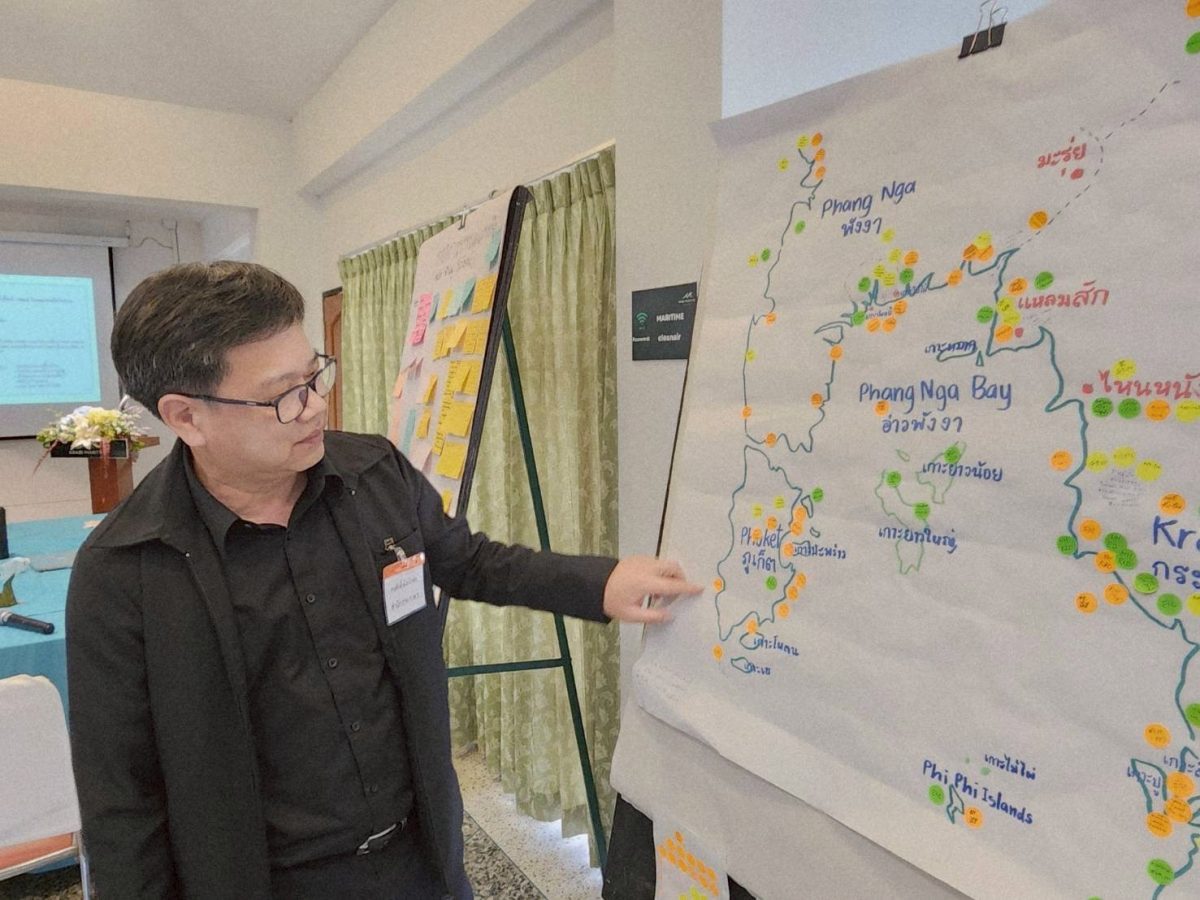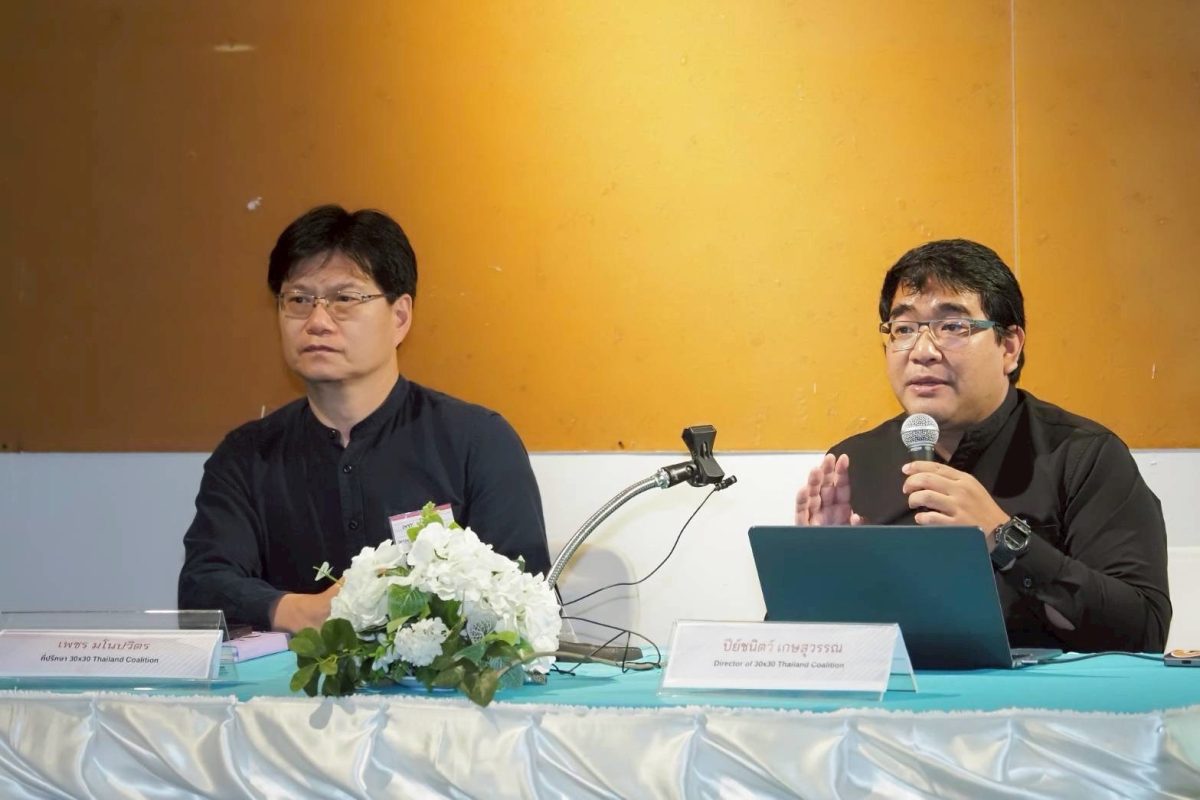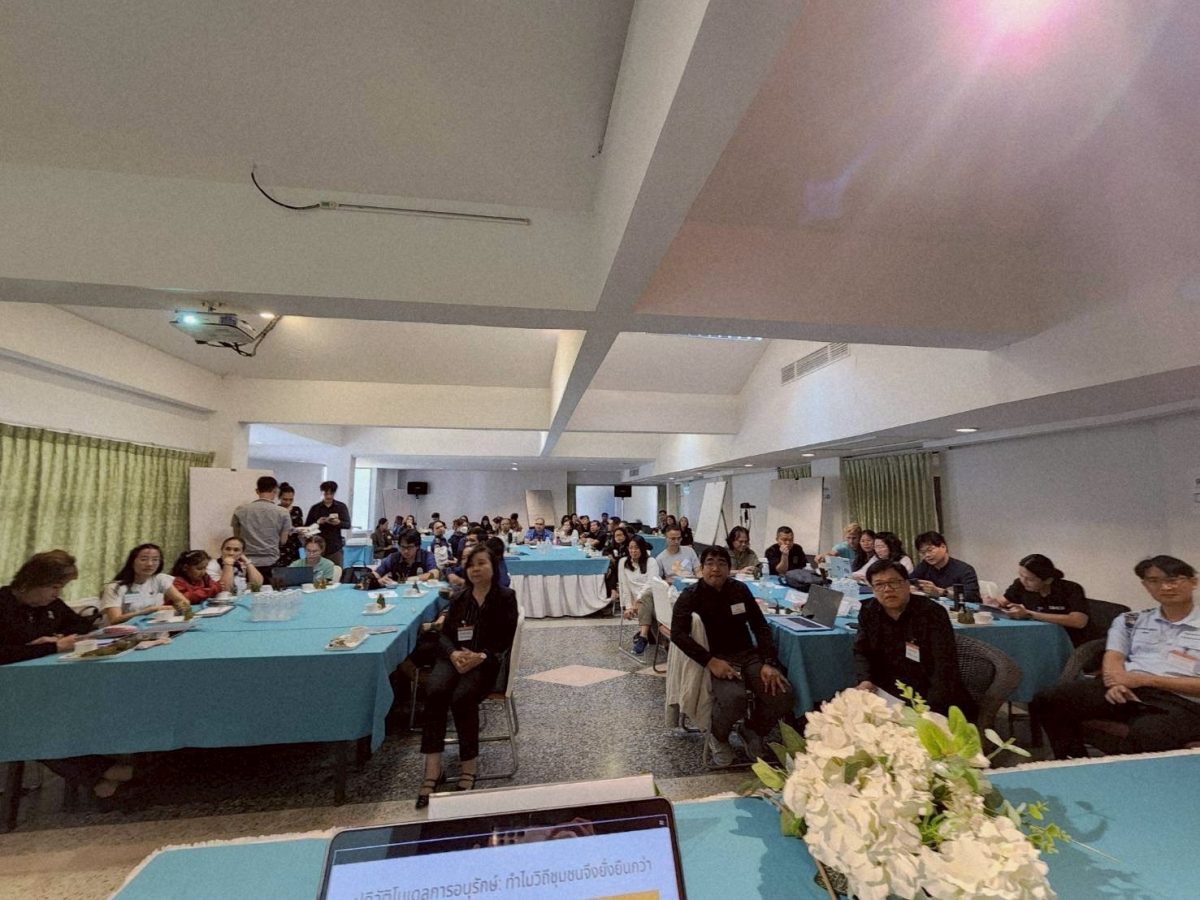
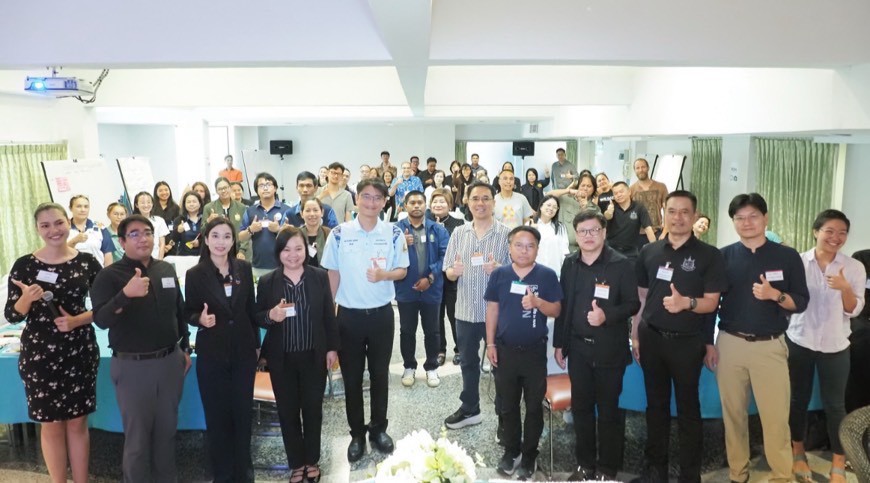
Mr. Buntoon Srethasirote, Chair of the Subcommittee on Promoting Open Government and Public Participation, together with Mrs. Areepan Charoensuk, Senior Advisor to the Office of the Public Sector Development Commission (OPDC), Mr. Thanasak Mangkarothai , Deputy Secretary-General of OPDC, and OPDC officials, participated in a workshop to kick off the development of Thailand’s National Action Plan (NAP) under the Open Government Partnership (OGP).
The workshop focused on participatory marine and coastal management in the Phang Nga Bay operational area and was held on 2–3 April 2026 in Krabi Province, in collaboration with the Department of Marine and Coastal Resources and the 30×30 Thailand Coalition.
 Day 1 – 2 April 2026
 Laem Sak Community, Ao Luek District, Krabi
A community consultation was held with local leaders, government officials, and civil society to gather inputs. Key insights include:
 Participatory Marine & Coastal Resource Management
 Challenges: Illegal fishing practices, declining marine resources (e.g., blue swimming crab), wastewater from shrimp farms, unregistered floating structures, overlapping land-use zones, limited enforcement capacity, and communication gaps.
Solutions: Stronger government action, promotion of Locally Managed Marine Areas (LMMA), integrated spatial planning, and enabling communities to legally utilize and conserve resources.
 Government Actions, Transparency & Community Monitoring
Challenges: Lack of clarity in government operations, limited ability to track progress, overlapping jurisdictions, unclear land-use rights, redundant regulations, and weak data and communication systems.
Solutions: Identifying clear timelines and responsible agencies, unified zoning, better public communication, improved land-use rights, regulatory simplification, direct engagement, and open data systems.
 Local Economy & Community Financing Tools
Challenges: Legal constraints on livelihoods and limited tourism promotion despite strong local potential.
Solutions: Establishing community funds, building new skills, promoting alternative livelihoods (community-based tourism, waste management, aquaculture), and adding value to local products.
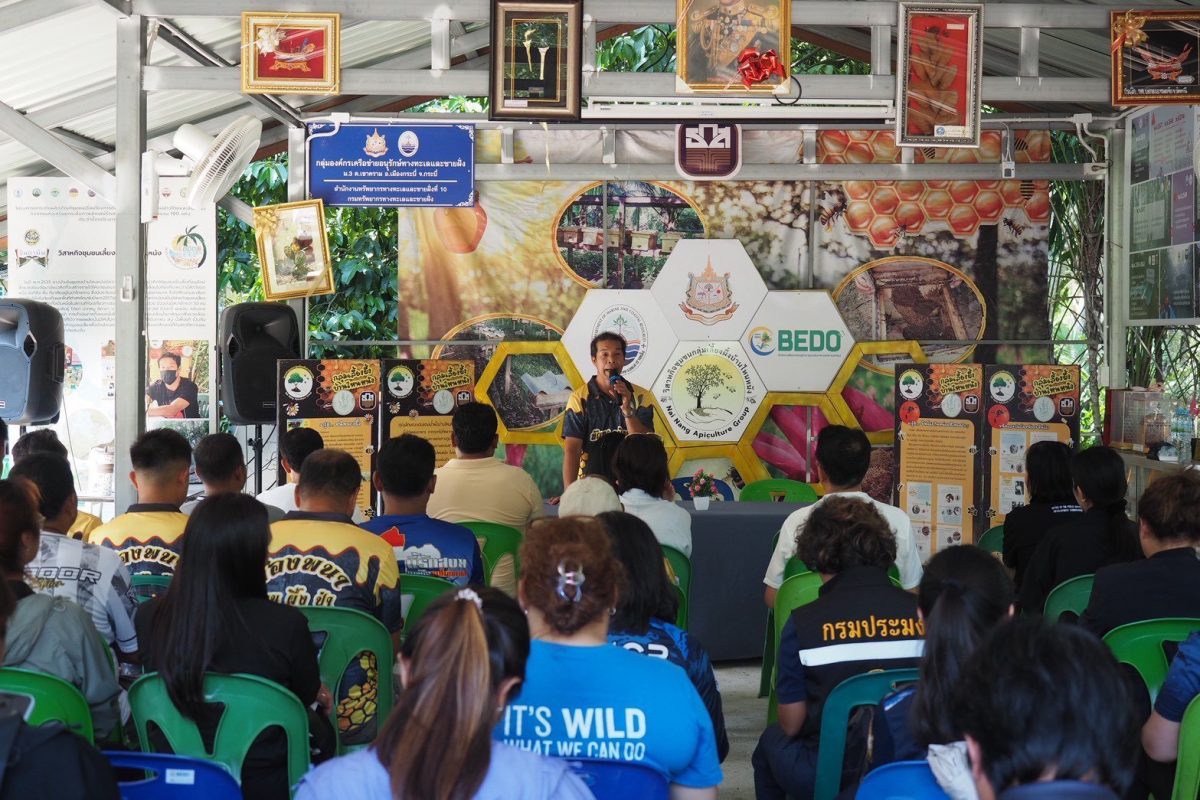
Ban Nai Nang Community, Khao Kram, Krabi
The “Forest Guardian Bee Model” was highlighted as a best practice—linking conservation with income generation. A portion of income supports community funds, fostering a self-reliant local economy and long-term conservation incentives.
Study visits to Laem Sak Pier and Tha Pom Klong Song Nam further demonstrated how economic development can go hand-in-hand with environmental conservation at the community level.
Day 2 – 3 April 2026
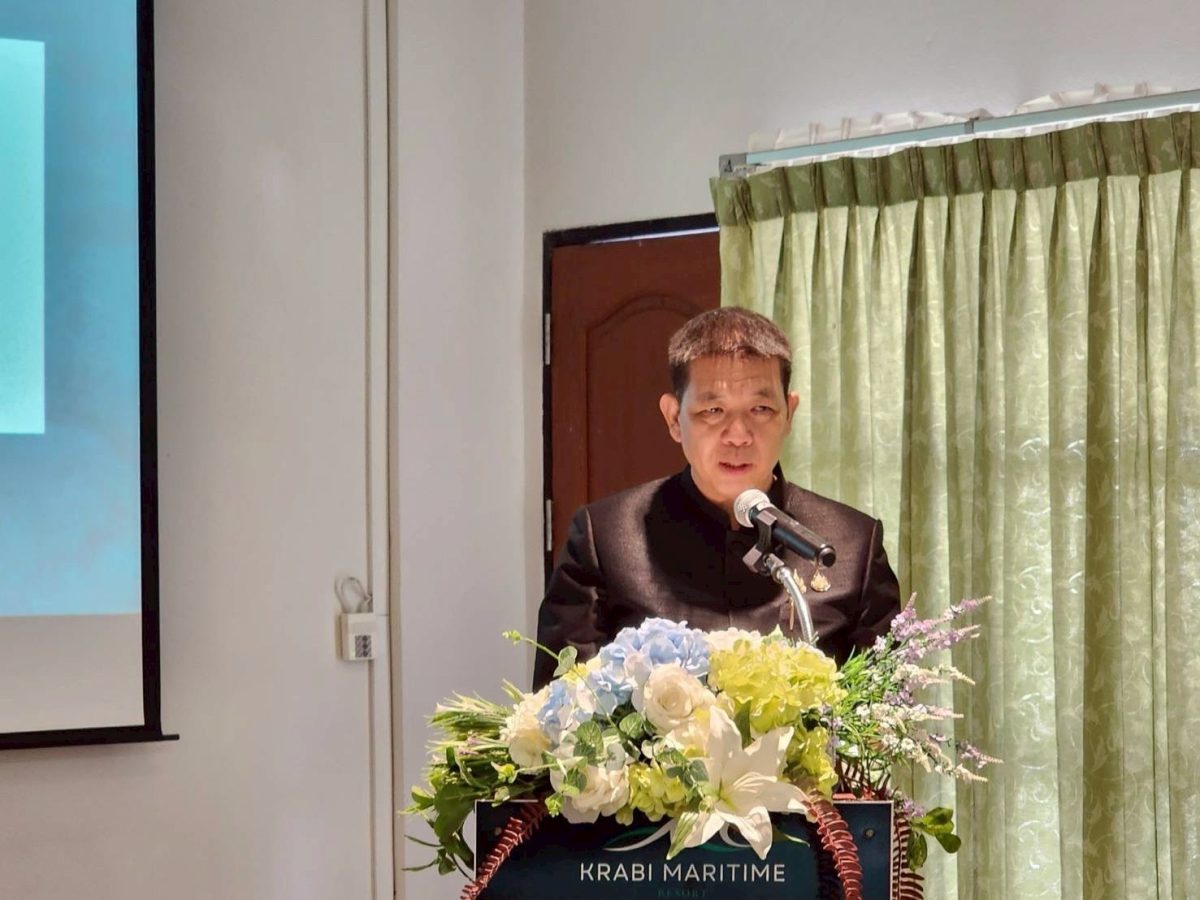
Mr. Suwit Suriyawong, Vice Governor of Krabi, officially opened the session, emphasizing integrated collaboration across sectors for sustainable marine and coastal management.
Mr. Pinsak Suraswadi, Director-General of the Department of Marine and Coastal Resources, highlighted policies promoting multi-stakeholder participation, evidence-based decision-making, and alignment with international standards.
Ms. Areeyapan Charoensuk emphasized Thailand’s OGP membership and the importance of the NAP as a platform for co-creation, where all sectors jointly think, act, decide, and monitor to ensure transparency, participation, and accountability.
Mr. Buntoon Srethasirote presented the “Forest Guardian Bee Model” as a success story of “eco-economy” development—demonstrating how conservation and community income can be sustainably integrated.
 Toward an Integrated NAP
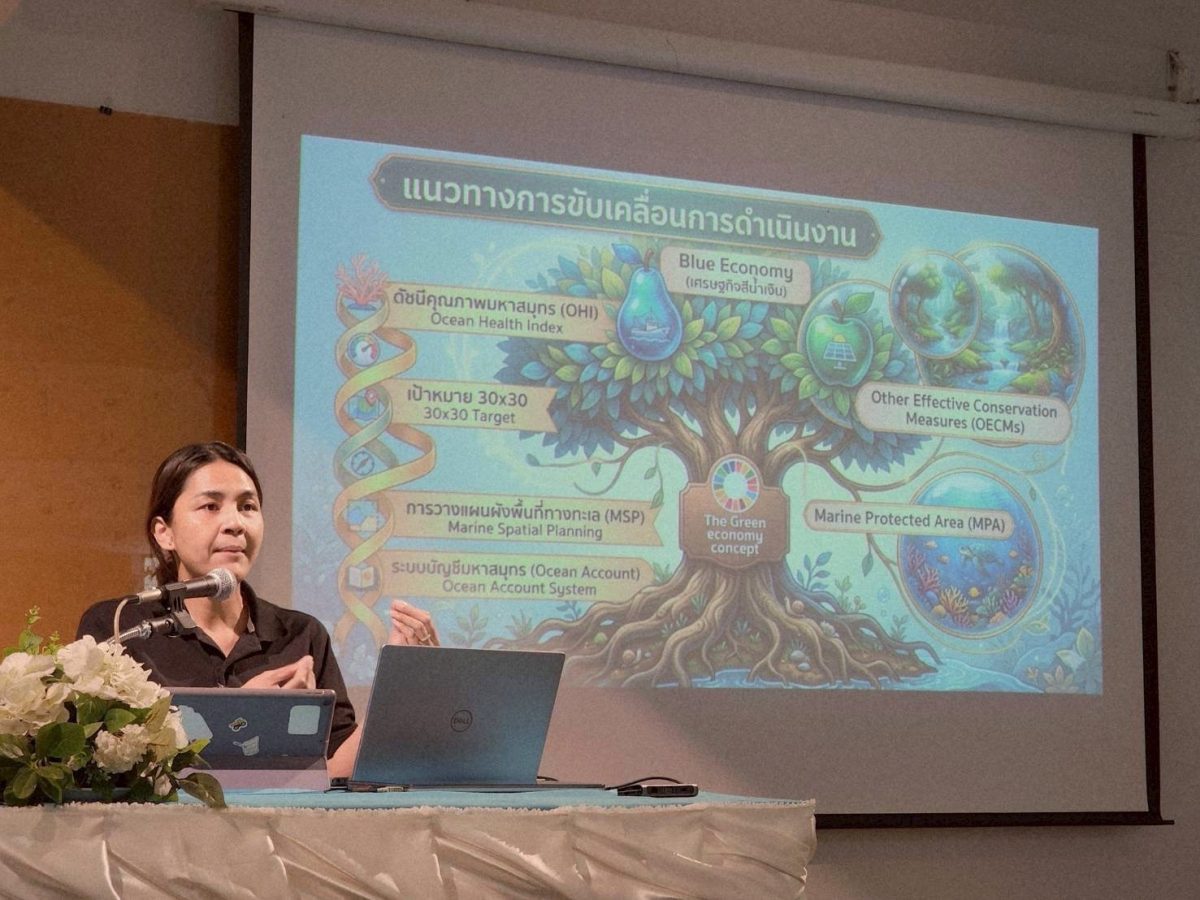
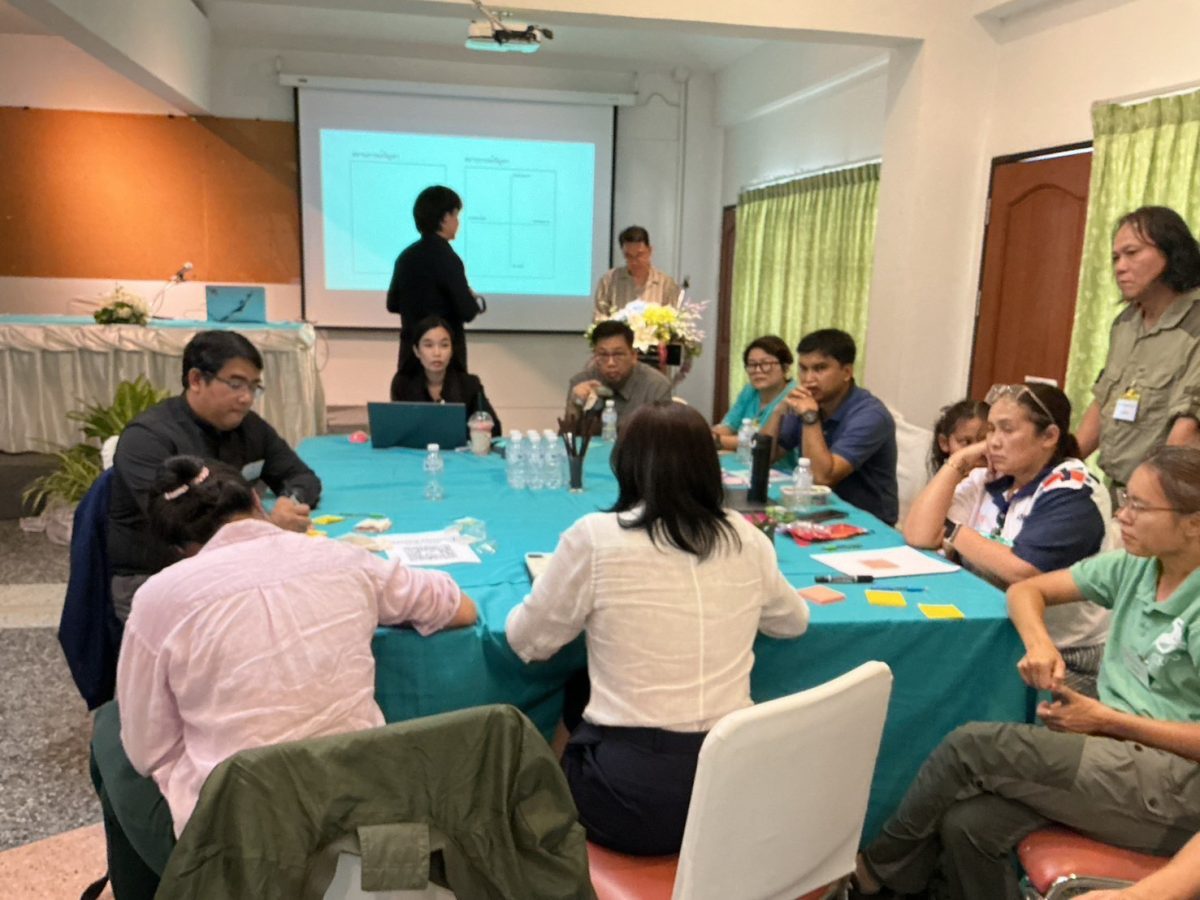
A multi-sector dialogue among government, civil society, and the private sector was conducted to jointly analyze challenges and define integrated approaches for the NAP. Key focus areas include:
Participatory marine and coastal management
Spatial tools such as LMMA and OECM
Financial mechanisms and the Blue Economy
 Open government data and public participation
Mr. Thanasak Mangkarothai concluded that Phang Nga Bay is a “blue treasure of the world,” and its sustainability depends on shared understanding between communities and policymakers. He emphasized network unlocking and sandbox approaches as key solutions for long-term sustainability
 This consultation marks an important step in aligning stakeholders, strengthening collaboration, and advancing a transparent, participatory, and sustainable coastal development framework under OGP.