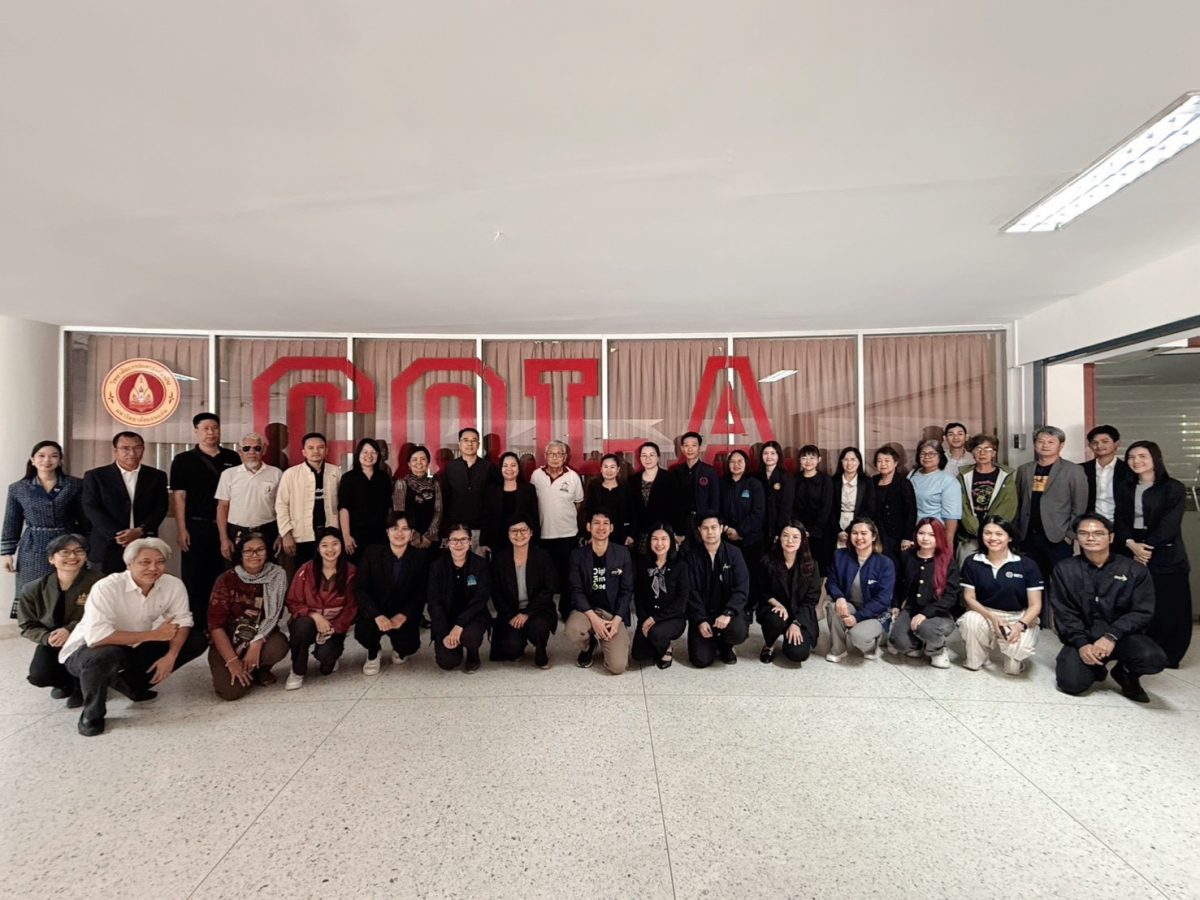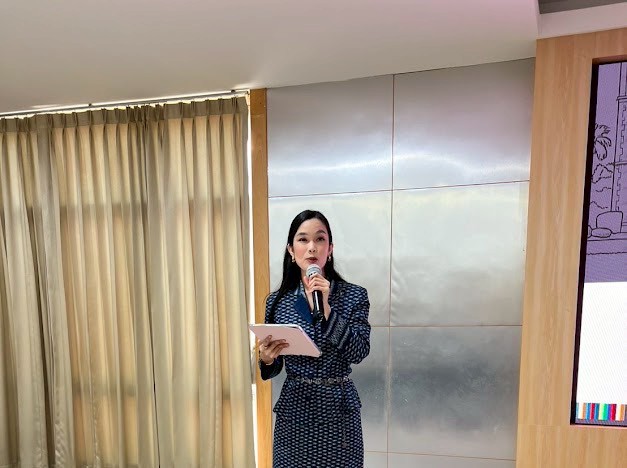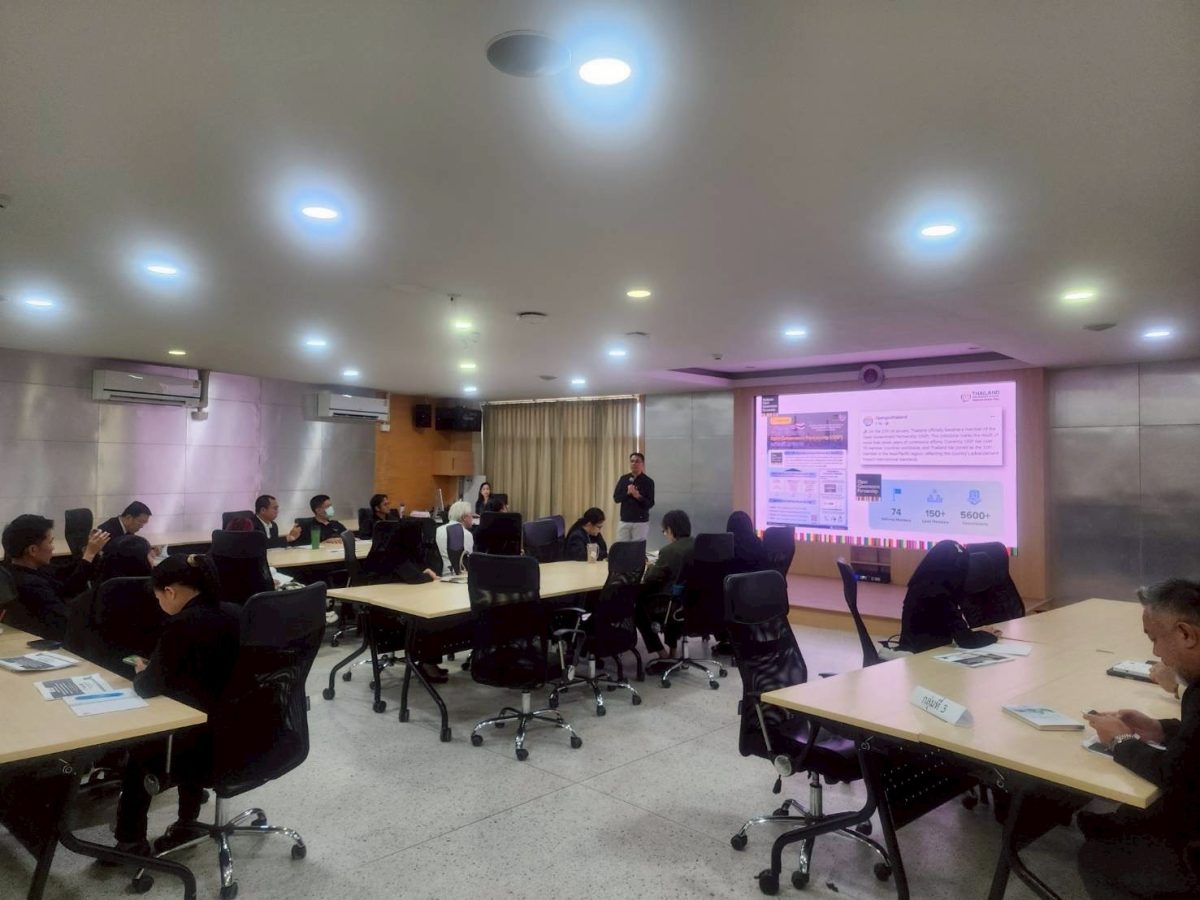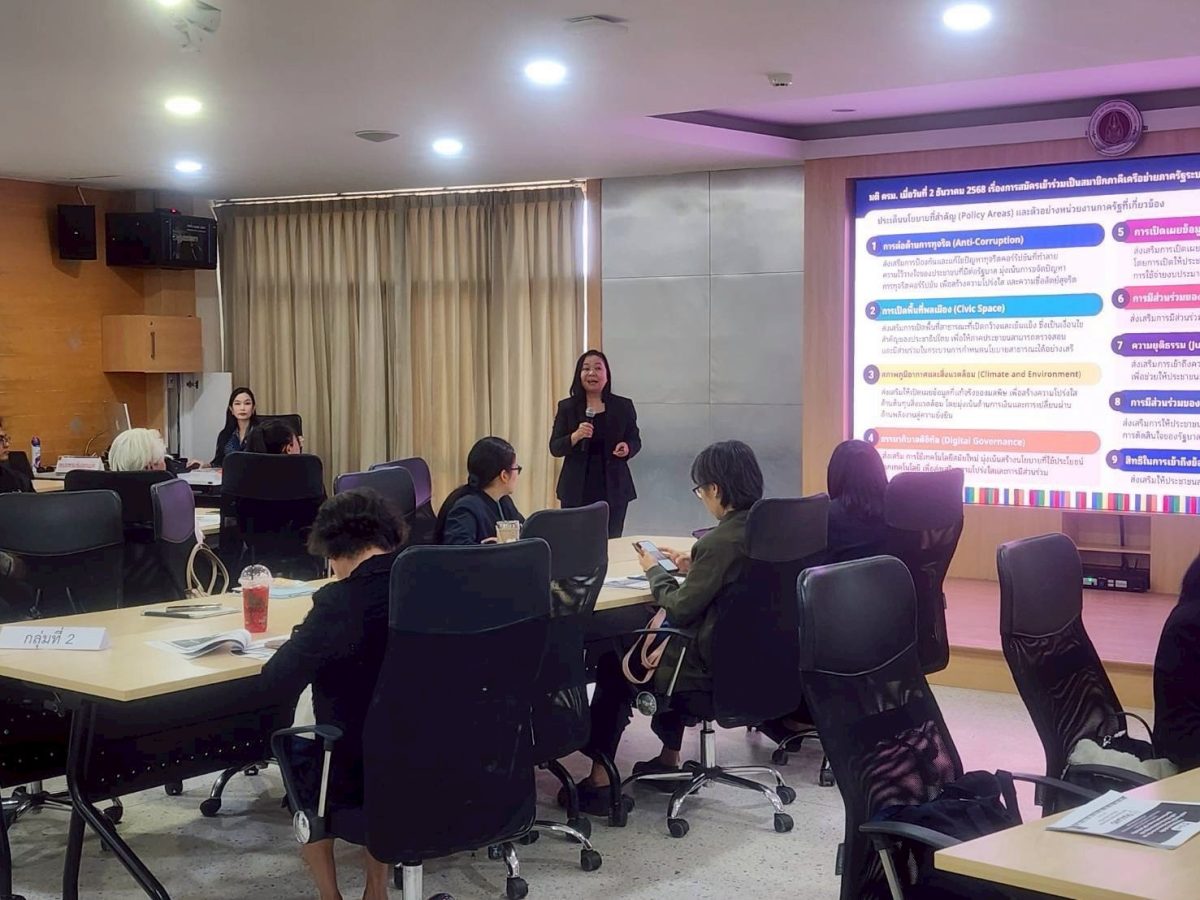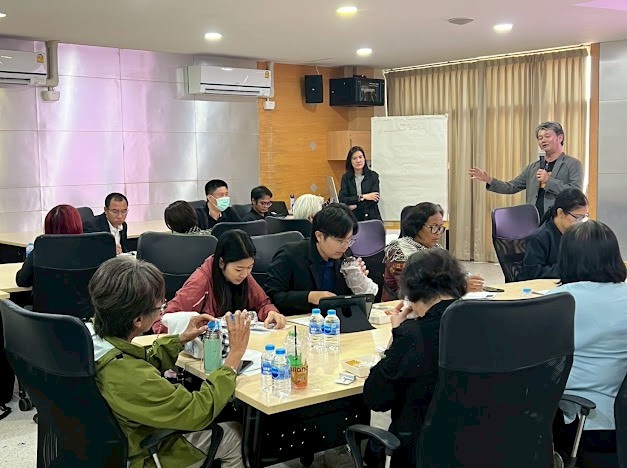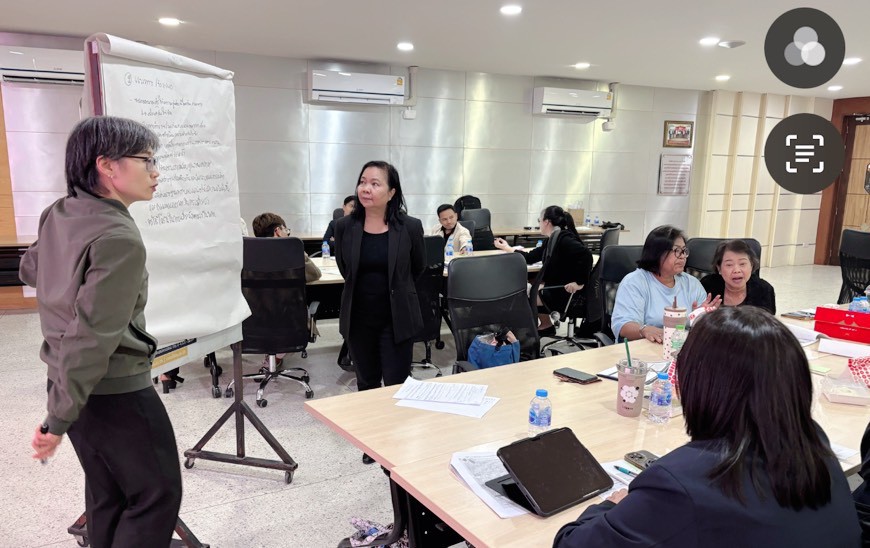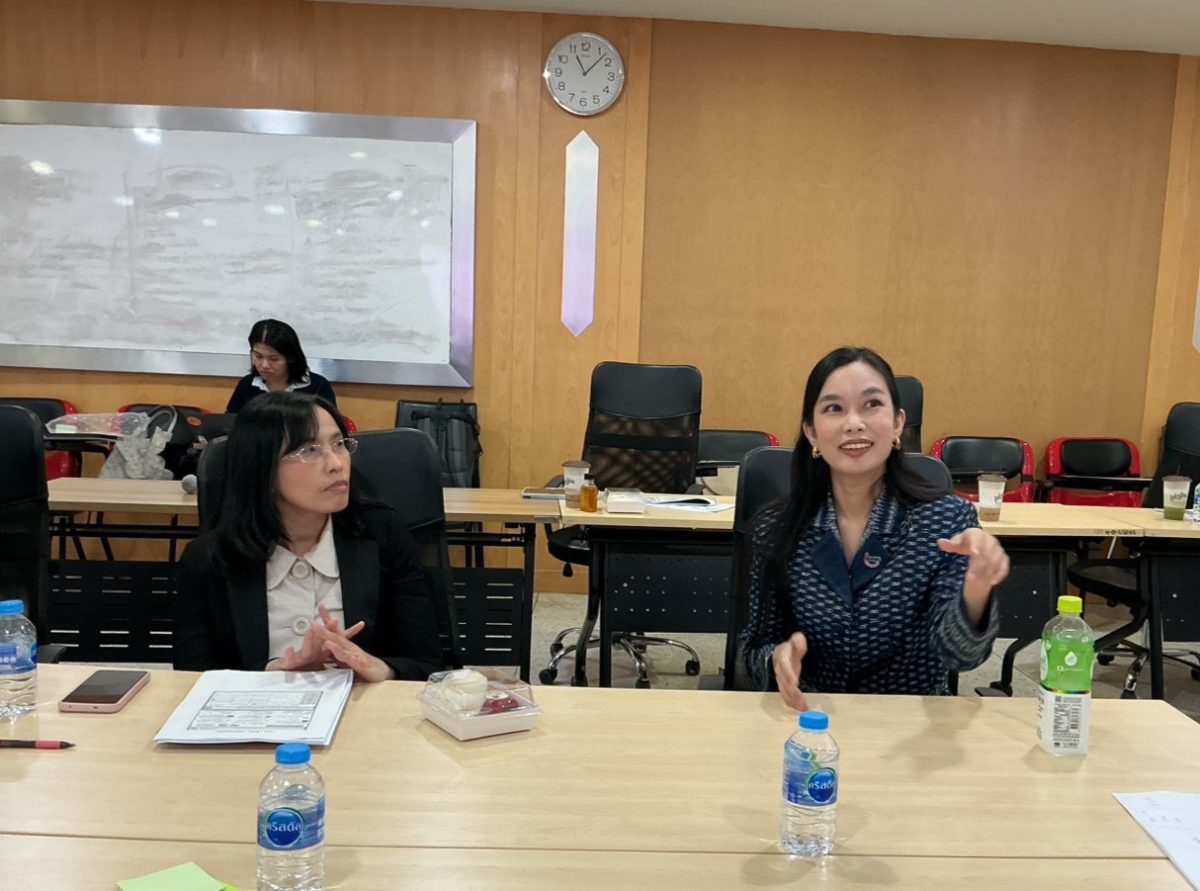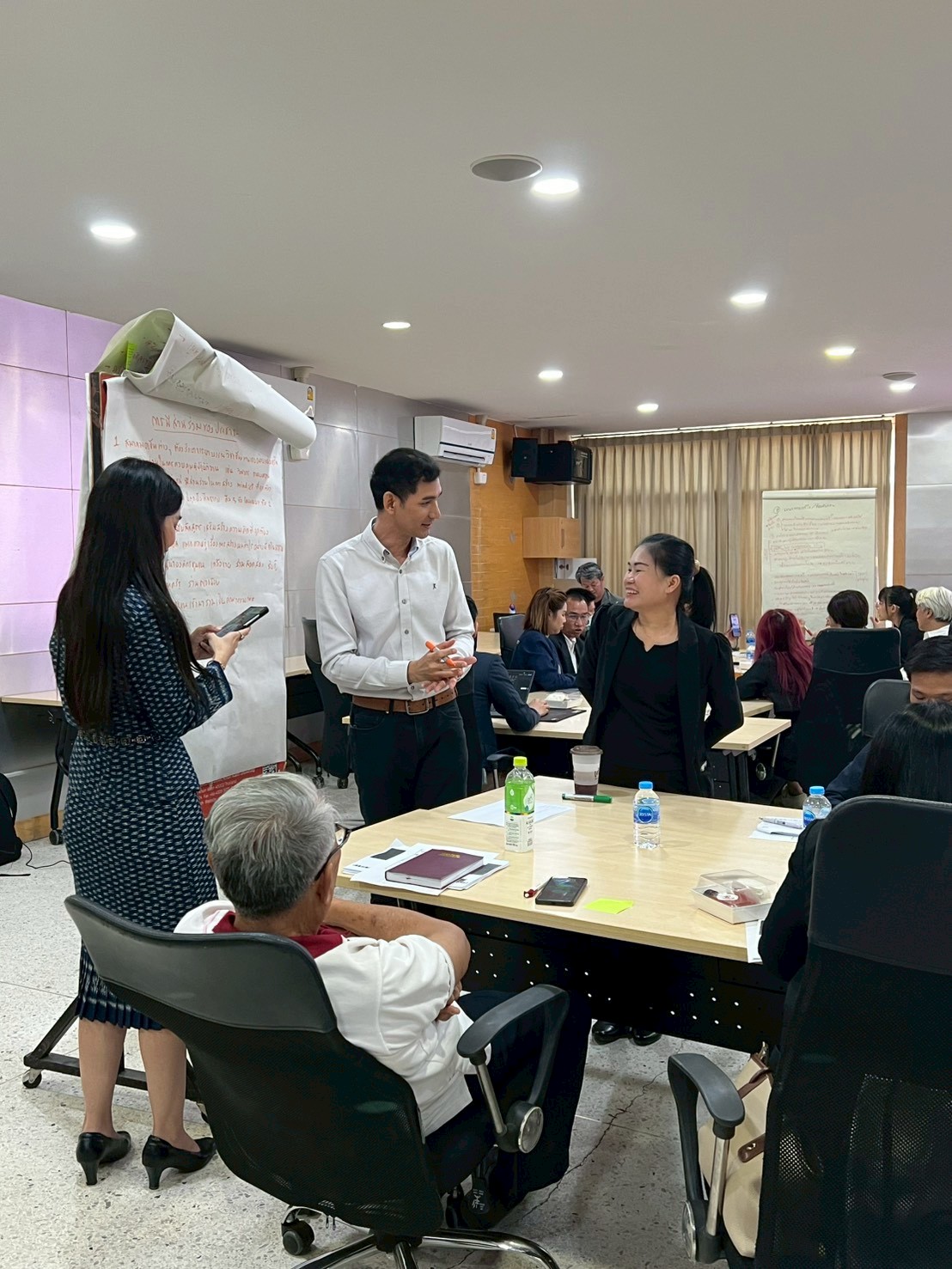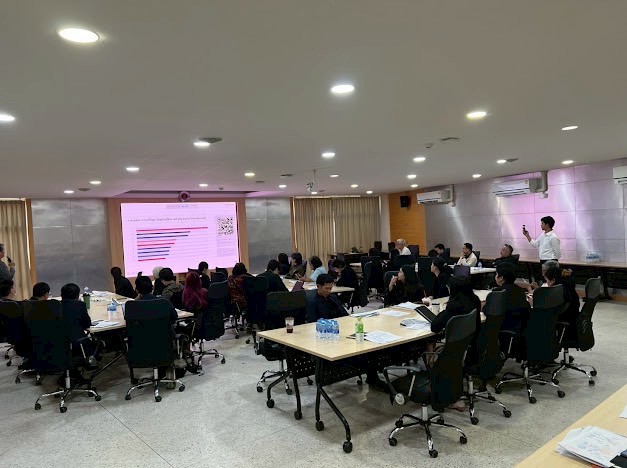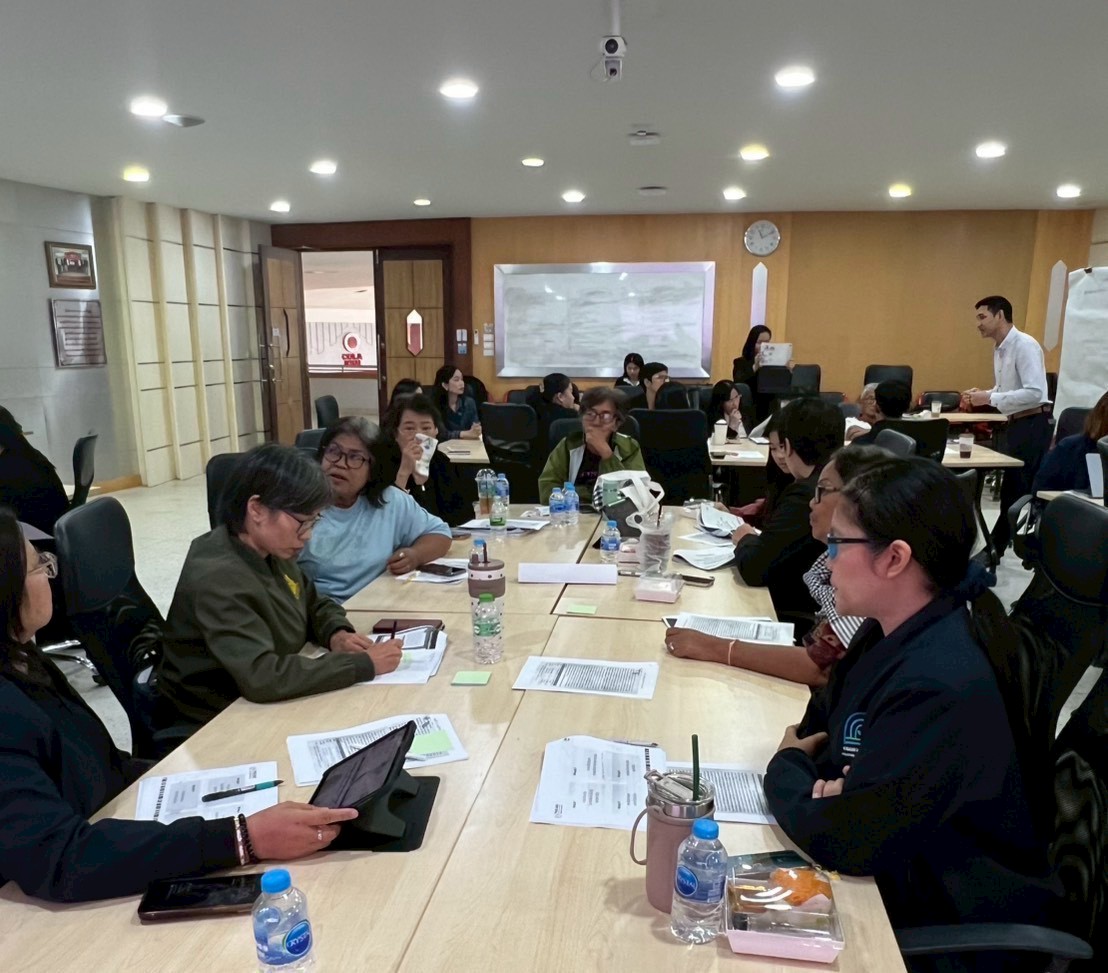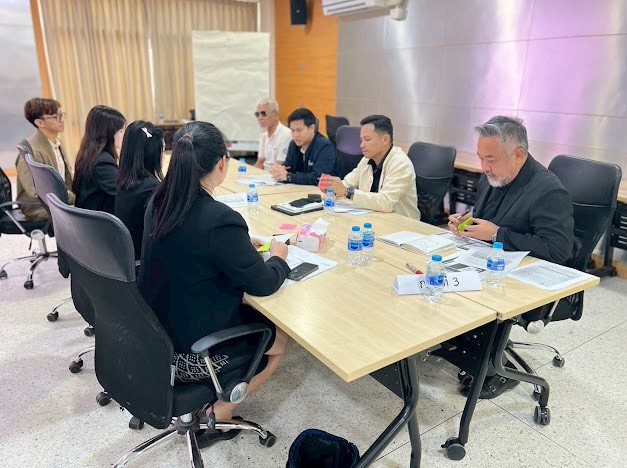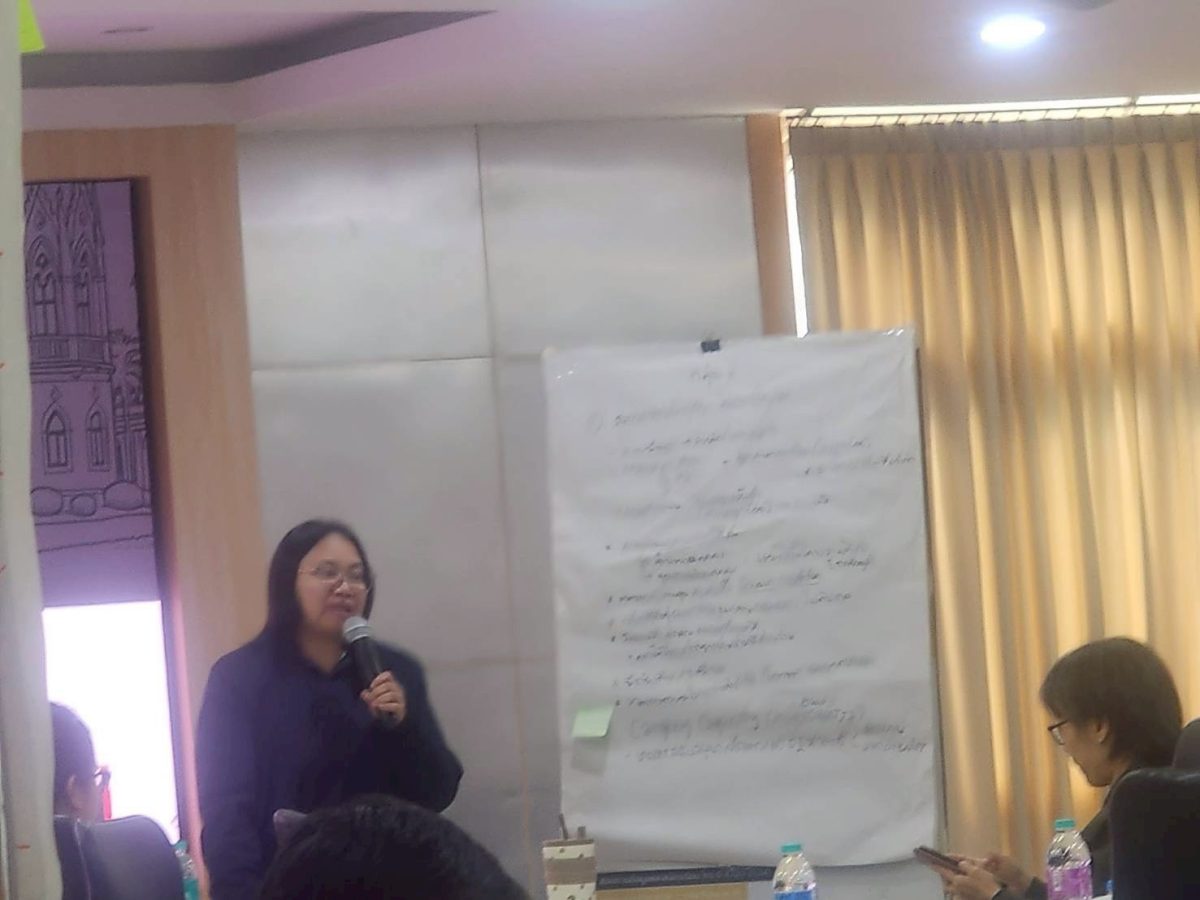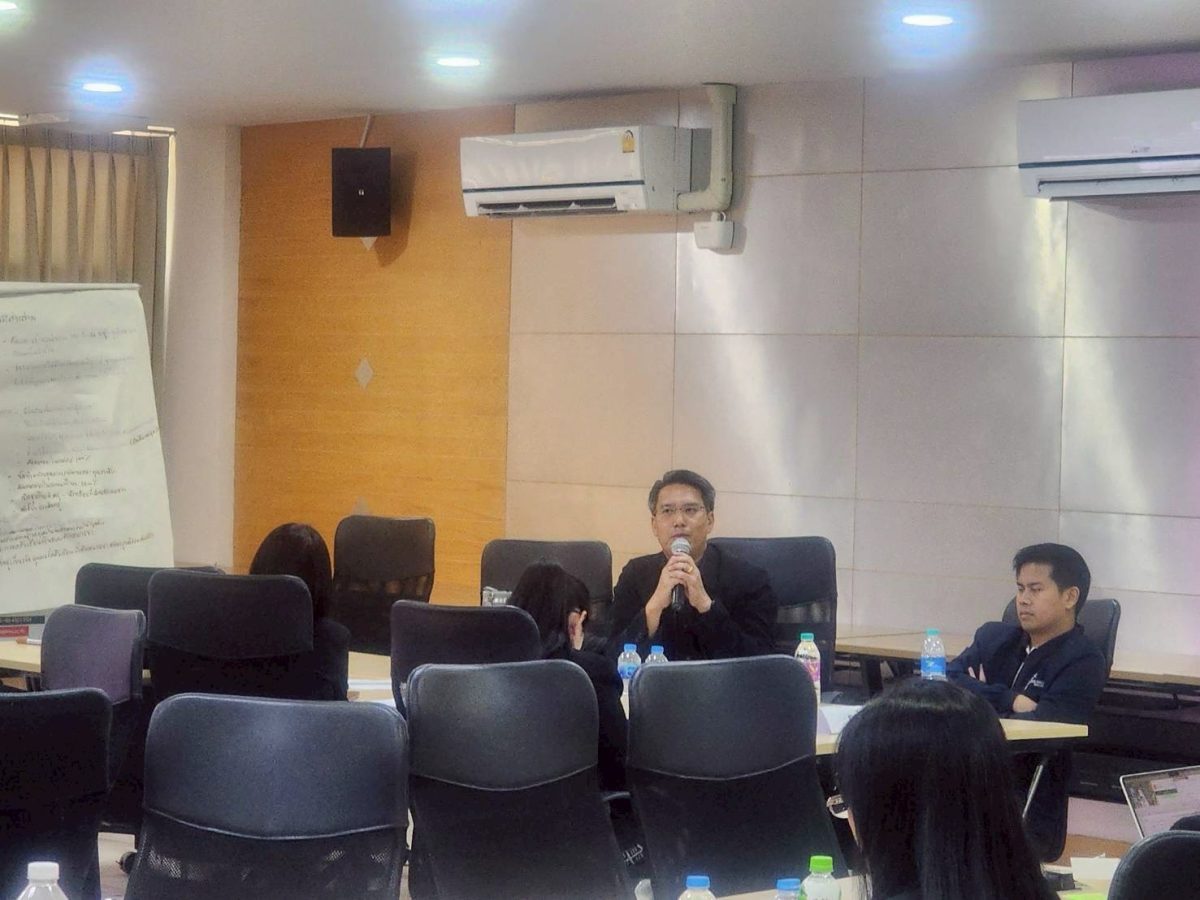
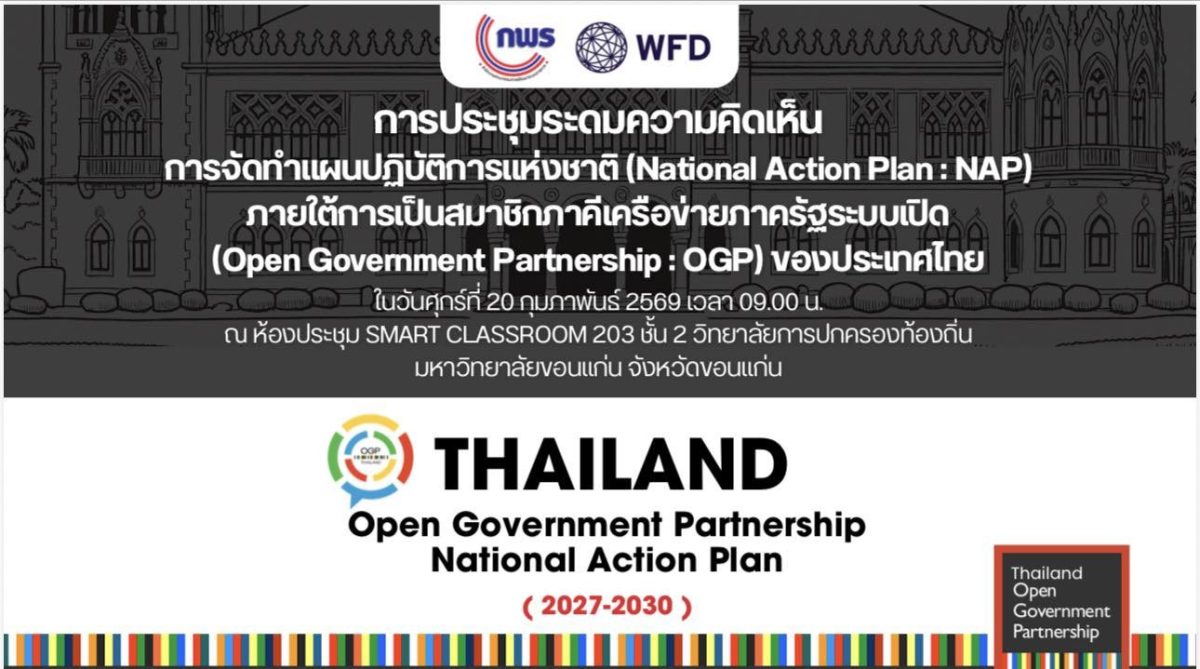

 Office of the Public Sector Development Commission, in collaboration with WFD, organizes “Shaping Thailand’s Future through the OGP NAP” at SMART CLASSROOM 203, 2nd Floor, College of Local Administration, Khon Kaen University, Khon Kaen Province
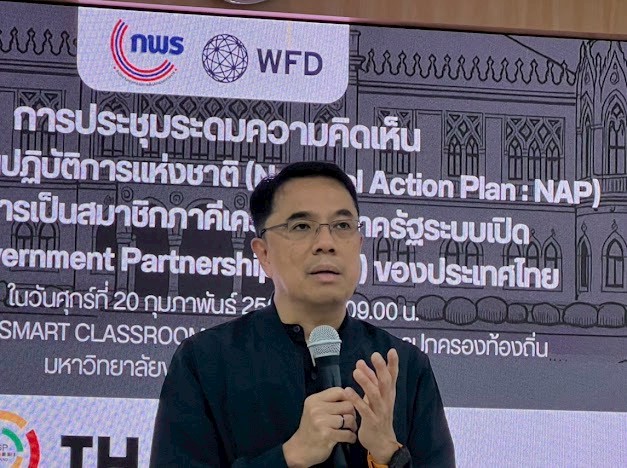
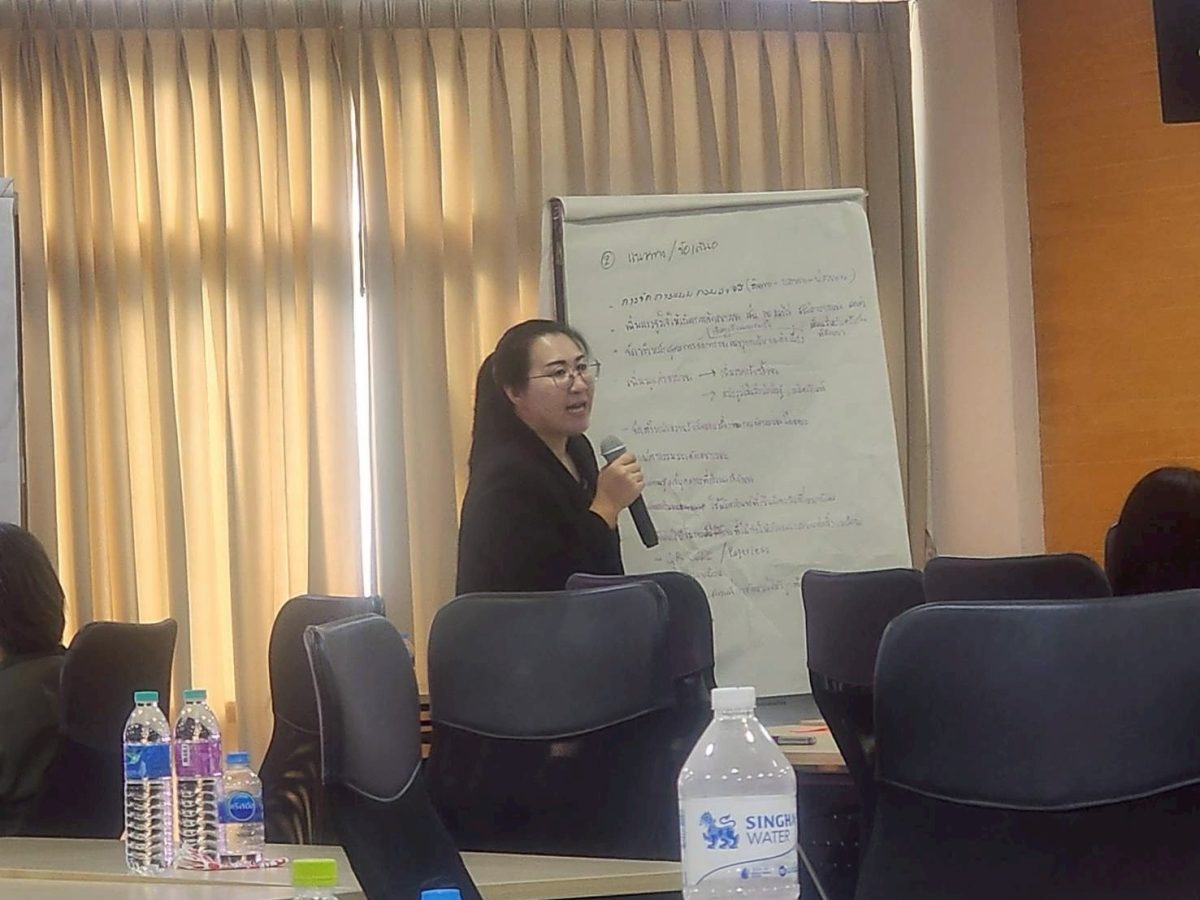
On 20 February 2026, the Office of the Public Sector Development Commission (OPDC), in collaboration with the Westminster Foundation for Democracy (WFD), United Kingdom, convened a multi-stakeholder consultation with representatives from the public sector, private sector, civil society, and local administrative organizations to gather inputs for the development of Thailand’s National Action Plan (NAP) as a member of the Open Government Partnership (OGP).The meeting was led by Mr. Buntoon Srethasirote, Chair of the Subcommittee on Promoting Open Government and Public Participation, and Mrs. Areepan Charoensuk, Senior Advisor to OPDC, together with OPDC officials. Participants included representatives from government agencies, the private sector, and civil society.
The key points are summarized as follows:
Key insights from participants’ inputs on the OGP policy areas are summarized as follows:
 Top 3 policy areas: Participants unanimously identified anti-corruption and integrity as the most urgent priority, recognizing it as a root cause affecting all aspects of development. This was followed by justice, climate and environment, and public participation, reflecting strong public demand in the Northeast for budget oversight and sustainable natural resource management.
 Public participation in anti-corruption efforts: Proposals emphasized structural reform and decentralization, including the election of provincial governors and the advancement of self-governing province legislation. Participants also suggested adopting advanced technologies such as blockchain and AI in procurement processes to reduce discretion, alongside civil service reform to address patronage and corruption.
 Participation in addressing climate and environmental challenges: The discussion highlighted a combined approach of incentives and enforcement, particularly in tackling agricultural burning. Proposed measures included promoting environmentally friendly markets, supporting bio-refinery innovations to utilize agricultural residues, and enforcing burn bans during critical periods through close coordination between government and communities.
 Priority datasets for public disclosure: Participants prioritized access to public procurement data, followed by welfare information, audit-related data, licensing data, and budget expenditure data. These were seen as essential for strengthening citizen oversight and improving financial transparency.
 Smart City development and sustainable quality of life: Policy proposals focused on developing “Smart Citizens” with digital literacy, establishing clear and continuous master plans, and creating a Citizen Feedback Loop for real-time engagement. Waste management proposals included applying the Polluter Pays Principle and promoting waste segregation at source for community benefits.
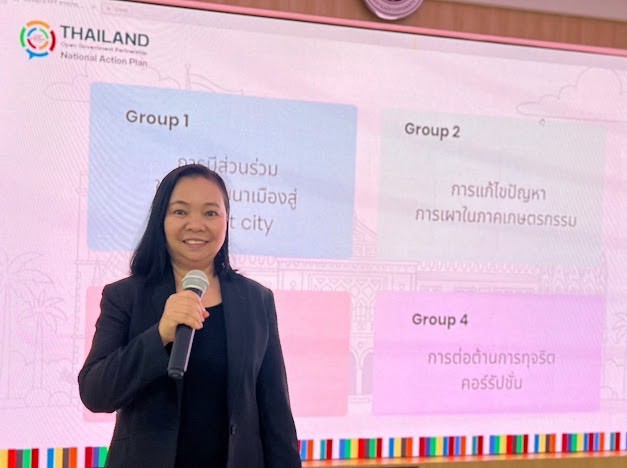
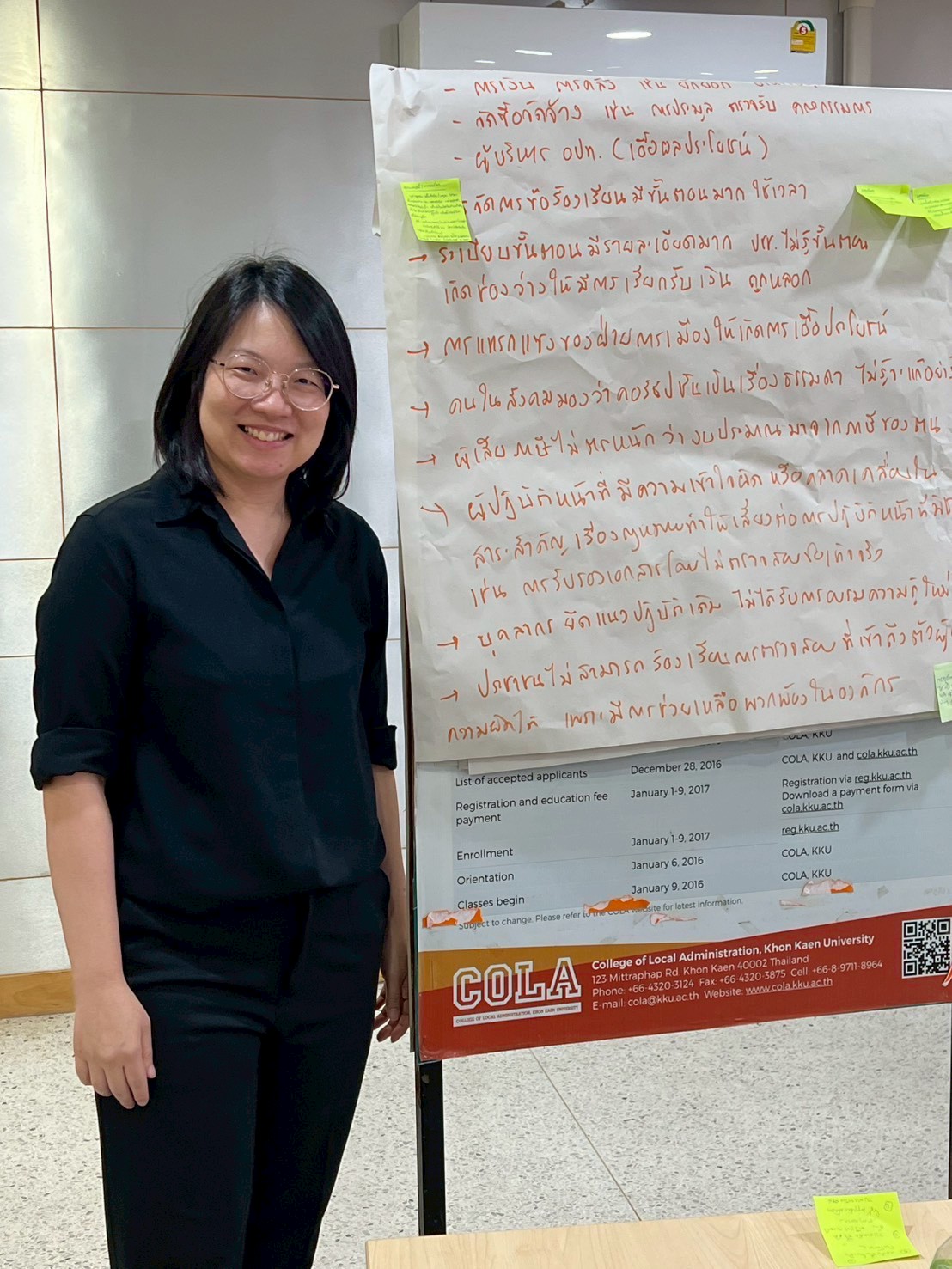
Group discussion outcomes (4 thematic areas)
Smart City and mobility: Key challenges include a lack of continuity in planning and data integration. Solutions include developing city-level master plans and leveraging Khon Kaen University’s data center to connect multi-sectoral data, with a focus on inclusive design for vulnerable groups, persons with disabilities, and the elderly.
Agricultural burning and air pollution: Major issues include sugarcane and rice residue burning. Proposed solutions include promoting mechanization, adding value to agricultural waste, and introducing burn scheduling systems to reduce pollution intensity.
Waste management and community environment: Challenges include improper waste disposal and environmental health impacts. Key proposals include incentivizing waste separation (e.g., waste-for-eggs programs, community waste banks) and upgrading end-of-pipe waste treatment technologies to closed systems.
Anti-corruption: Key issues include patronage culture and political interference. Proposed solutions include reforming procurement systems using blockchain and AI for transparency, alongside fostering integrity and ethical values from an early age.
 Next Step: OPDC will work with all stakeholders to translate inputs from the Khon Kaen consultation into Thailand’s NAP under the OGP framework—ensuring it is open, transparent, and participatory, and delivers tangible and sustainable outcomes at both local and national levels.